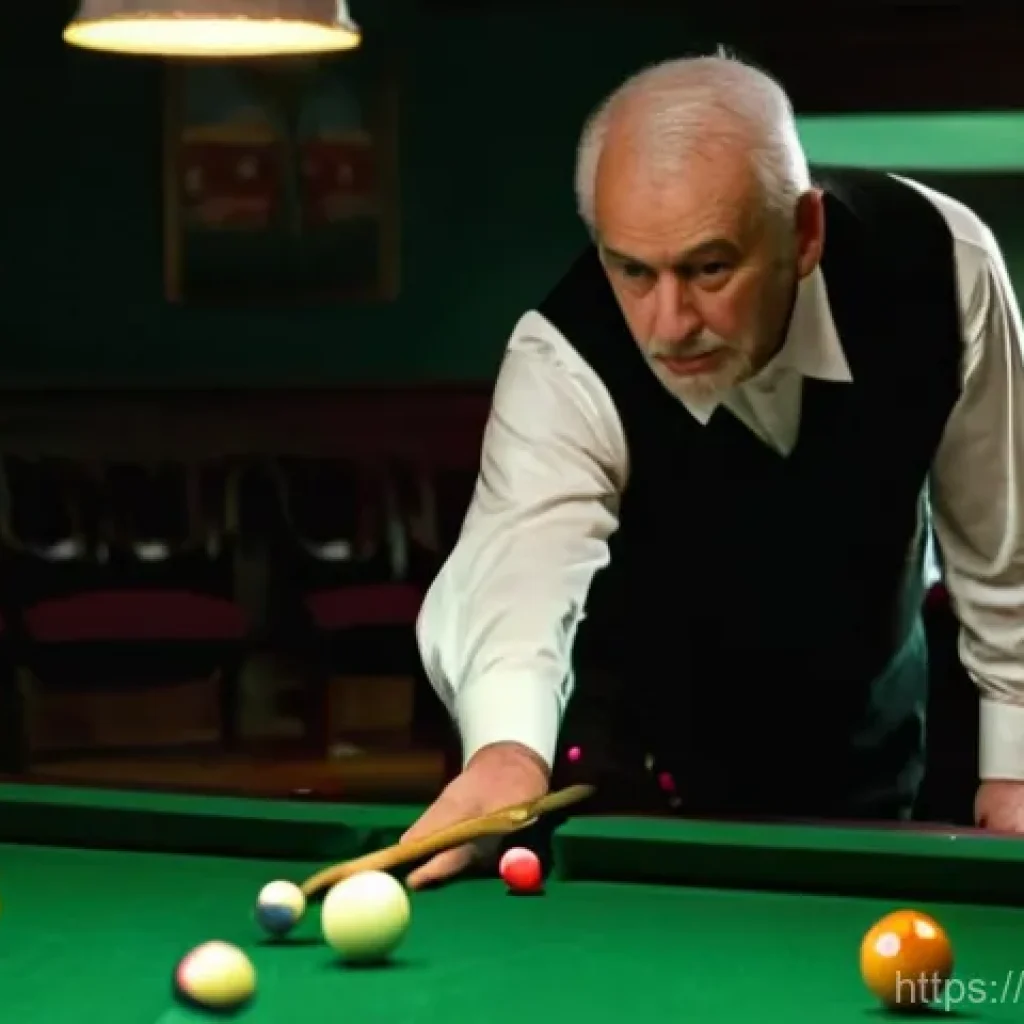
Hey there, fellow pool sharks and casual cue-stick wielders! Have you ever been in the middle of an intense game, lining up what you thought was a perfect shot, only for your opponent to suddenly call “foul!” and you’re left scratching your head?
Or maybe you’ve had a friendly debate turn a little less friendly over a rule you swore you knew? Trust me, you’re definitely not alone! It always blows my mind how many common misconceptions float around the pool hall, even among seasoned players who’ve spent countless hours at the table.
I’ve personally seen countless games get derailed by misunderstandings about everything from what constitutes a legal shot to the nuances of calling pockets.
Knowing the real rules not only makes you a more confident player but also elevates the entire experience, saving you from those awkward “wait, is that really a foul?” moments and endless disagreements.
It’s time to settle those debates once and for all and truly master the game you love. Let’s get into the nitty-gritty and accurately clarify some of the most misunderstood billiards rules!
The “Call Your Pocket” Controversy: More Nuanced Than You Think

It never fails to amaze me how many arguments I’ve witnessed, and even been a part of, over whether a player *really* had to call their pocket. You walk into any pool hall, and you’ll hear different interpretations of this rule depending on who you’re talking to, and honestly, it gets confusing fast!
When I first started playing, I distinctly remember a heated discussion with a friend who swore that if you just looked in the direction of a pocket, that was “calling it.” Let’s just say that didn’t fly with the more experienced players, and for good reason.
The truth is, the “call your pocket” rule isn’t just about uttering the words; it’s about clarity and intent, something many casual players seem to overlook.
It’s not just about what you say, but about making sure everyone at the table, especially your opponent, understands your intended shot. This helps prevent misunderstandings and keeps the game fair and square.
There’s a certain level of sportsmanship involved here, too. You don’t want to leave room for doubt, because that’s when things get testy. I’ve found that being overly clear is always better than being vague.
When You Really Need to Call It
So, when *exactly* do you need to call your pocket? Well, according to most standard rule sets for games like 8-Ball, you generally need to clearly designate the pocket for your object ball when it’s not “obvious.” What constitutes “obvious” can be a bit subjective, which is where the confusion often stems from.
My personal rule of thumb is this: if there’s *any* chance of misinterpretation, call it. For instance, a straight-in shot on an open table where your ball is clearly heading for one specific pocket?
Probably don’t need to call it. But what if there are other balls nearby, or it’s a bank shot, or you’re trying to hit a combination? Absolutely call it.
I always err on the side of caution. I’ve seen players get genuinely upset when an opponent sinks a ball into a pocket that wasn’t declared, especially if it was a lucky bounce.
It just sours the whole game, and frankly, it’s easily avoidable if you just take a second to announce your intentions.
Accidental Sinks and “Slop” Rules
This brings us to “slop shots” or accidental sinks. In many friendly games, and even some league play, if you call your pocket and ball, but another one of your balls drops in a *different* pocket accidentally, it’s considered “slop” and usually stands, but your turn might end.
However, if you don’t call anything, and your ball goes in, but not in the pocket you were aiming for, or if an opponent’s ball goes in, that’s typically a foul in competitive play.
Some house rules allow “slop” to count, meaning any ball pocketed legally stays pocketed, even if it wasn’t called. This can be super frustrating if you’re playing by official rules and your opponent claims “slop” is okay!
It’s crucial to clarify these “house rules” before you even break. I’ve been burned by this more than once, thinking I knew the rules, only to find out their “local rules” were entirely different.
Always, always, always, make sure everyone is on the same page before the first shot is taken.
Foul Play: Beyond Just Hitting the Wrong Ball
Okay, let’s talk fouls. Everyone knows you can’t hit your opponent’s ball first, right? Or not hit any rail after contact?
But believe me, the world of billiards fouls is far deeper and more intricate than just those basic tenets. I remember this one time during a rather intense league match, my opponent accidentally brushed a ball with his sleeve after his shot.
He claimed it wasn’t a foul because it didn’t impact the shot’s outcome, but the referee (and the rulebook!) quickly set him straight. It’s not always about *intent* or *impact* with fouls; sometimes, it’s simply about the action itself.
Many players, especially those who primarily play casually, are completely unaware of some of the more subtle foul calls that can significantly change the game’s momentum.
Understanding these less-obvious fouls can actually give you a competitive edge, or at the very least, save you from unknowingly conceding a ball-in-hand to your opponent.
It’s truly eye-opening when you dig into the specifics, and you realize how much more there is to learn beyond just hitting your own color.
Understanding Cue Ball Fouls
The cue ball is a tricky little devil. Most players know that if you scratch the cue ball (send it into a pocket), it’s a foul and your opponent gets ball-in-hand.
But what about if you jump the cue ball off the table entirely? Yep, that’s also a foul, and usually results in ball-in-hand for your opponent. I’ve seen countless players, in their attempt to make a difficult shot, hit the cue ball so hard it literally flies off the table and lands on the floor.
It’s a spectacular sight, but a costly mistake! Another common cue ball foul happens when you don’t make contact with any object ball at all. Sometimes, you’re trying to play a super soft safety, or just barely tap your own ball, and you miss entirely.
That’s a foul, plain and simple. Even if you contact your own ball, but fail to send any ball to a rail or pocket one, depending on the game variant and local rules, that can sometimes be considered a foul too.
It’s a minefield of potential errors, but knowing them helps you avoid them.
The Dreaded “Double Hit” and “Push Shot”
These two fouls often get lumped together because they’re related to how you strike the cue ball. A “double hit” occurs when your cue tip makes contact with the cue ball more than once during a single stroke.
This often happens when the cue ball is very close to another ball, and you try to hit it softly. Your cue tip pushes the cue ball, it hits the object ball, and then the cue ball recoils slightly, only to be struck again by your still-forward-moving cue tip.
It’s incredibly subtle and hard to detect sometimes, but a seasoned player or referee will spot it. The “push shot” is similar, where you essentially push the cue ball with your cue tip rather than making a clean, sharp strike.
This happens when the cue tip remains in contact with the cue ball for too long. Imagine trying to “scoop” a ball rather than “hit” it. Both are fouls because they allow for unnatural manipulation of the cue ball, giving an unfair advantage.
I’ve tried to execute these “shots” unknowingly when I was a beginner, only to be politely informed by my more experienced friends that I was fouling.
It’s all part of the learning curve!
When a Jump Ball Becomes a Foul
Jump shots are exciting, no doubt. They add a real flair to the game and can get you out of some truly sticky situations. But there’s a fine line between a legal jump shot and a foul.
The primary rule here is that you must strike the cue ball *above* its center, driving it downwards into the table to make it jump. If you hit the cue ball *below* its center, scooping it upwards with your cue tip, that’s a foul.
It’s often called a “scoop shot” or “foul jump.” This is because scooping gives you an unfair amount of control and power in the jump, almost like lifting the ball.
I remember practicing jump shots for ages, constantly trying to get the right angle and force. It took a lot of trial and error to truly understand the difference between a legal jump (hitting down) and a foul (scooping up).
It’s a nuanced technique, and mastering it legally takes practice, but it’s essential to avoid giving away free balls.
| Common Billiards Fouls | Consequence (Standard 8-Ball Rules) | Explanation / Example |
|---|---|---|
| Scratch (Cue Ball Pocketed) | Opponent gets ball-in-hand | Cue ball goes into any pocket after a shot. |
| Cue Ball Off Table | Opponent gets ball-in-hand | Cue ball leaves the playing surface entirely. |
| No Object Ball Contact | Opponent gets ball-in-hand | Cue ball fails to hit any object ball on the table. |
| No Rail After Contact | Opponent gets ball-in-hand | After cue ball hits an object ball, no ball (cue or object) hits a rail, or no ball is pocketed. |
| Hitting Opponent’s Ball First | Opponent gets ball-in-hand | Cue ball makes initial contact with an opponent’s object ball. |
| Illegal Jump/Scoop Shot | Opponent gets ball-in-hand | Cue ball is struck below its center, causing it to “scoop” rather than “jump” off the table. |
| Double Hit / Push Shot | Opponent gets ball-in-hand | Cue tip contacts cue ball more than once, or stays in contact too long. |
Rack ‘Em Up Right: The Break Shot Breakdown
Oh, the break shot! It’s the grand opening of every game, the thunderous start that sets the tone. Yet, so many players treat it like an afterthought, just slamming into the racked balls without a second thought.
I’ve seen some truly disastrous breaks, leading to immediate fouls or putting the opponent in a fantastic position right from the get-go. There’s an art and a science to a good break, and more importantly, there are very specific rules that define a *legal* break, rules that many people surprisingly overlook.
It’s not just about scattering the balls everywhere; it’s about control, force, and adhering to the guidelines that make it a fair start for both players.
My coach always used to say, “A good break doesn’t guarantee a win, but a bad one can guarantee a loss.” He wasn’t wrong. Understanding the intricacies of the break shot is foundational to playing any form of pool well.
Legal Breaks: How Many Balls Need to Hit the Rail?
This is one of the most common areas of confusion for casual players. In 8-Ball, for a break shot to be considered legal, at least four object balls must be driven to a rail, or an object ball must be pocketed.
If you break and neither of these conditions are met, it’s an illegal break. I’ve seen so many players just lightly tap the rack, or hit it off-center, resulting in a clump of balls barely moving, and only one or two touching a rail.
In a friendly game, people might shrug it off, but in competitive play, that’s a foul, and your opponent gets options, usually to accept the table as it is or to re-rack and break themselves.
That can be a huge disadvantage right at the start! I once had a league opponent try to argue that two balls hitting a rail counted because they hit *different* rails.
Nope, sorry buddy, it’s four *object* balls, or a pocketed ball. It’s a simple number to remember, but crucial for a fair start.
What Happens on an Illegal Break?
So, you make an illegal break – what now? Well, as I mentioned, in most official rule sets (like WPA or BCA 8-Ball), your opponent typically has two options: accept the table in its current position and shoot, or require you to re-rack and break again.
Sometimes, depending on the rules, they might even get the option to break themselves. This is a pretty significant penalty for what seems like a simple misstep!
Imagine giving your opponent control of the break, or letting them put you back into a potentially worse situation. I’ve seen players get so rattled by an illegal break penalty that their whole game falls apart.
It just goes to show that even the very first shot has a profound impact and is governed by rules that demand respect and understanding. Always aim for a solid, strong break that satisfies the rail requirement; it’s not just about power, but about spreading the balls legally.
Ball-in-Hand: A Strategic Gift or a Missed Opportunity?
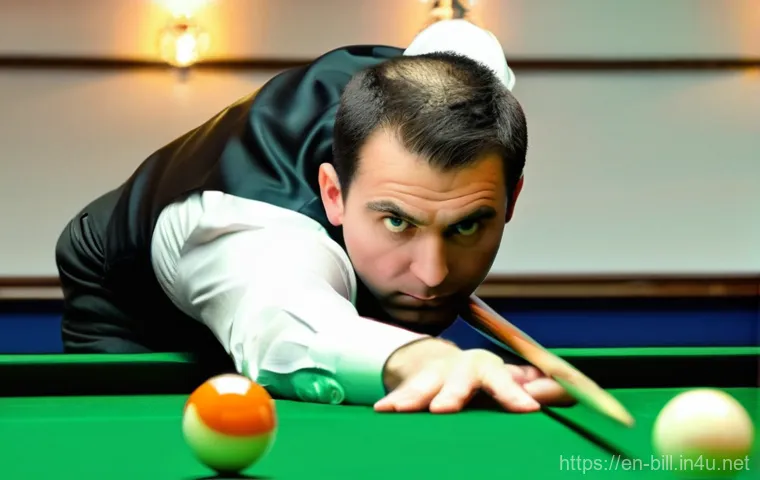
The “ball-in-hand” rule is, in my opinion, one of the greatest strategic advantages you can get in a game of pool. It’s like a free pass, a tactical reset button, handed to you on a silver platter.
Yet, I’ve often seen players squander this incredible opportunity, placing the cue ball in a position that offers minimal advantage, or worse, putting themselves in a jam.
When an opponent fouls, and you get ball-in-hand, it’s not just about taking your turn; it’s about meticulously planning your next few shots, setting up combinations, or playing a powerful safety.
I remember a match where my opponent fouled, and I got ball-in-hand. I took a full minute, walking around the table, visualizing shots, before placing the cue ball.
That careful consideration allowed me to clear half my balls in one run, completely changing the dynamic of the game. It truly is a game-changer if you know how to wield it properly.
Placing the Cue Ball Anywhere on the Table
The beauty of ball-in-hand is the freedom it grants you. Unlike after a scratch where you might be limited to placing the cue ball behind the head string (the “kitchen”), with ball-in-hand, you can place that cue ball *anywhere* on the playing surface.
That means you can put it tight against an opponent’s ball for a safe, or set up a perfect angle for a combination shot you wouldn’t otherwise have. I’ve even seen players use it to break clusters that are blocking pockets, by placing the cue ball in a spot where they can shoot directly into the cluster with their own object ball.
It’s like having a superpower! Many beginners often just put the cue ball where it’s easiest, or where they first see a shot, without considering the broader implications.
This is where experience really pays off; knowing the table, understanding angles, and foreseeing future shots allows you to maximize this advantage.
Tactical Considerations for Ball-in-Hand
Maximizing ball-in-hand isn’t just about making the immediate shot. It’s about leveraging it for a series of shots, or even to force your opponent into a difficult spot.
When I get ball-in-hand, I’m thinking several steps ahead. Can I run out the table from here? If not, can I pocket a ball and leave my opponent completely hooked, with no clear shot?
Sometimes, the best use of ball-in-hand isn’t to aggressively pocket a ball, but to play a super tight safety, forcing your opponent to foul again or leave you an even easier shot next time.
I recall a situation where I had ball-in-hand, and rather than trying a risky pot, I placed the cue ball to block off two of my opponent’s key balls, making it nearly impossible for them to make a legal shot without fouling.
It didn’t win me the game immediately, but it definitely set the stage for my victory. It’s all about strategic thinking, not just opportunistic hitting.
The Eight-Ball Rule: The Grand Finale’s Common Pitfalls
Ah, the eight-ball. It’s the money ball, the one that seals the deal, or, if you mess it up, seals your fate in the worst possible way. You’d think by the time you get to the eight-ball, everyone would know the rules inside and out.
But trust me, this is where some of the most heartbreaking and frequently misunderstood fouls occur. I’ve seen players literally snatch defeat from the jaws of victory because they fouled on the eight-ball, or pocketed it in the wrong way.
It’s a cruel twist of fate that can sting for days! The pressure of sinking that final ball can sometimes make even seasoned players forget the basics, leading to rookie mistakes.
Mastering the eight-ball rule is paramount to actually winning the game, not just getting *to* the eight-ball.
Pocketing the Eight-Ball Early or Out of Turn
This is perhaps the most common and devastating eight-ball foul. If you pocket the eight-ball before all of your own object balls are off the table, you immediately lose the game.
No exceptions, no do-overs. I remember one painful instance where a friend, in his excitement, made a combination shot that inadvertently sent the eight-ball into a pocket while he still had one of his own balls on the table.
The look on his face when he realized his mistake was priceless, but also incredibly sad. The same goes for pocketing the eight-ball in the wrong pocket after all your object balls are clear.
If you called the corner pocket, but it goes into the side pocket, that’s often a loss of game as well, depending on the rule set. It’s absolutely critical to be patient and precise when it comes to the eight-ball.
Double-check your setup, confirm your called pocket, and take your time. There’s no rush to lose!
Fouling on the Eight-Ball Shot
So, you’ve cleared all your object balls, it’s just you and the eight-ball. The pressure is on! But what if you commit a foul *during* your eight-ball shot?
This is another common pitfall. If you scratch the cue ball while pocketing the eight-ball, you lose the game. Period.
This is probably the most gut-wrenching way to lose, right at the finish line. I once had a game where I was lining up a perfect shot, felt too confident, and tried to add a little spin.
The eight-ball went in beautifully, but the cue ball followed it right into the pocket. Devastating! Another foul would be failing to make contact with the eight-ball at all, or hitting an opponent’s ball first before the eight-ball.
Essentially, any foul that would normally give your opponent ball-in-hand, if committed on the eight-ball shot, typically results in an immediate loss of game.
It’s a harsh reality, but it emphasizes the importance of focus and precision when it matters most.
Wrapping Things Up
Phew! We’ve covered a lot of ground today, diving deep into the often-misunderstood world of billiards rules. It truly highlights how much more there is to the game than just hitting balls around.
As someone who’s spent countless hours at the table, I can tell you that understanding these nuances, from the simple act of calling your pocket to the complex implications of a foul, doesn’t just make you a better player; it makes the game infinitely more enjoyable and fair for everyone involved.
It’s about respect for the game and your opponent. So next time you grab a cue, remember that every shot, every decision, carries weight, and knowing the rulebook inside out is your ultimate secret weapon.
It’s truly a journey of continuous learning, and that’s what makes pool so endlessly fascinating to me.
Useful Information to Know
1. Always clarify “house rules” before the first break. Seriously, I cannot stress this enough. Every pool hall or even group of friends can have their own quirky interpretations, and nobody wants a heated debate ruining a good game over something easily clarified beforehand.
2. Practice calling your shots clearly, even in casual games. It helps build a good habit for when you play competitively, and it adds an element of professionalism and respect to your game, ensuring everyone understands your intent.
3. Don’t rush your eight-ball shot. Take an extra moment to confirm your pocket, assess the table, and make sure no fouls are lurking. The pressure is real, but a moment of calm can prevent a heartbreaking loss at the finish line.
4. When you get ball-in-hand, treat it like a golden opportunity. Don’t just make the easiest shot; think two or three steps ahead. Can you clear multiple balls? Can you leave your opponent in a terrible spot? It’s your strategic advantage, so use it wisely.
5. Watch professional pool tournaments and matches. You’ll be amazed at the subtle fouls they call, the intricate strategies players employ, and how they navigate complex rule scenarios. It’s an invaluable way to deepen your understanding and elevate your own game.
Key Takeaways
Understanding the foundational rules of pool is absolutely crucial for a fair and enjoyable experience. Remember, clearly calling your pockets, especially for non-obvious shots, is about sportsmanship and avoiding disputes.
Familiarize yourself with common fouls like scratches, illegal jumps, and double hits, as they often result in costly “ball-in-hand” penalties for your opponent.
The break shot isn’t just about power; it must meet legal criteria, like sending four object balls to a rail. Lastly, the eight-ball is the game-winner, but it’s also a common source of fouls that can lead to an instant loss, so precision and adherence to rules are paramount when going for the final shot.
Mastering these aspects will undoubtedly enhance your play and appreciation for the game.
Frequently Asked Questions (FAQ) 📖
Q: Okay, so a huge point of contention at the pool hall is always about what constitutes a legal shot. Can I actually hit my opponent’s ball first, or is it always a foul if no ball hits a rail after my shot?
A: Oh, this one gets people every single time, I swear! It’s such a classic misunderstanding, and I’ve personally seen more arguments about this than I care to count.
Let’s clear it up, because knowing this truly elevates your game. Generally, in 8-ball pool, you absolutely CANNOT hit your opponent’s ball first with the cue ball.
If your cue ball’s first contact is with one of their balls before it touches one of your own, that’s a foul, plain and simple, and your opponent gets ball-in-hand.
The only real exception is right after the break shot, when the table is “open.” In that scenario, you can hit any ball (solid, stripe, or even the 8-ball, though be careful there!) to establish your group.
Now, about that “no rail after contact” thing – that’s another big one! If you hit your object ball and don’t pocket anything, then some ball (it could be your object ball, another object ball it hits, or even the cue ball itself) HAS to touch a rail after the initial contact.
If no ball pockets and no ball touches a rail, yup, you guessed it – that’s a foul too, and your opponent gets ball-in-hand. Believe me, I’ve had shots that looked perfect in my head, only for nothing to hit a rail, and suddenly, I’m handing the cue ball over.
It’s a humbling experience, but it teaches you to think about the aftermath of your shot!
Q: Do I really have to call every single shot, and what’s the deal with calling the pocket for the 8-ball? Sometimes it feels like overkill!
A: This is probably the rule that causes the most confusion and friendly (and not-so-friendly) debates! I totally get it; sometimes calling every single detail feels a bit much, especially in a casual game.
But here’s the scoop: in most official 8-ball rule sets (like BCA or WPA, which many leagues follow), it’s a “call pocket” game, not necessarily “call shot” for every shot.
What that means is that for non-obvious shots – like bank shots, combination shots, or shots where it’s just not clear where the ball is heading – you should indicate both the object ball you intend to pocket and the specific pocket you’re aiming for.
For super obvious shots, like a ball sitting right next to a pocket, you usually don’t need to loudly declare it. Your opponent has the right to ask if they’re unsure, though.
Now, for the 8-ball, it’s a completely different beast! You absolutely, positively MUST call the pocket for the 8-ball. This is non-negotiable in virtually all legitimate rule sets.
If you pocket the 8-ball in a different pocket than the one you called, or if you foul while pocketing it, you immediately lose the game. I learned this the hard way once, sinking the 8-ball perfectly but into the wrong corner.
My heart sank faster than that 8-ball, let me tell you! It’s a harsh rule, but it’s there to add that final layer of precision and tension to the end of the game.
So, always, always call that 8-ball pocket clearly!
Q: What actually happens after I scratch, and are there different rules if I scratch on the 8-ball? I’ve heard so many conflicting things!
A: Ah, the dreaded scratch! It’s happened to all of us, usually at the worst possible moment. When you scratch – meaning the cue ball goes into a pocket, jumps off the table, or any other general cue ball foul – the standard penalty in 8-ball is “ball-in-hand” for your opponent.
This is a huge advantage for them! It means they can pick up the cue ball and place it ANYWHERE on the playing surface for their next shot. Imagine the possibilities!
They can set themselves up perfectly for a run-out or strategically block your balls. I’ve seen games turn completely around because of a well-placed ball-in-hand shot.
However, there’s a key distinction: if you scratch on the break shot, sometimes the rules are a little different. In some leagues, a scratch on the break still gives your opponent ball-in-hand, but they might be restricted to placing the cue ball behind the head string (that imaginary line at the breaking end of the table) and must shoot at a ball past that line.
It really depends on the specific ruleset you’re playing under, so it’s always good to clarify before you start. But here’s the real kicker, and where people get truly confused (and often lose their cool!): scratching when you’re shooting at the 8-ball is almost always an instant loss of game.
If you pocket the 8-ball AND scratch on the same shot, or if you scratch and the 8-ball goes off the table, you forfeit the game right then and there.
It’s a high-stakes moment, and that extra pressure is what makes shooting the 8-ball so thrilling, and sometimes, so heartbreaking! So, be extra careful with that cue ball when it’s game on for the 8!