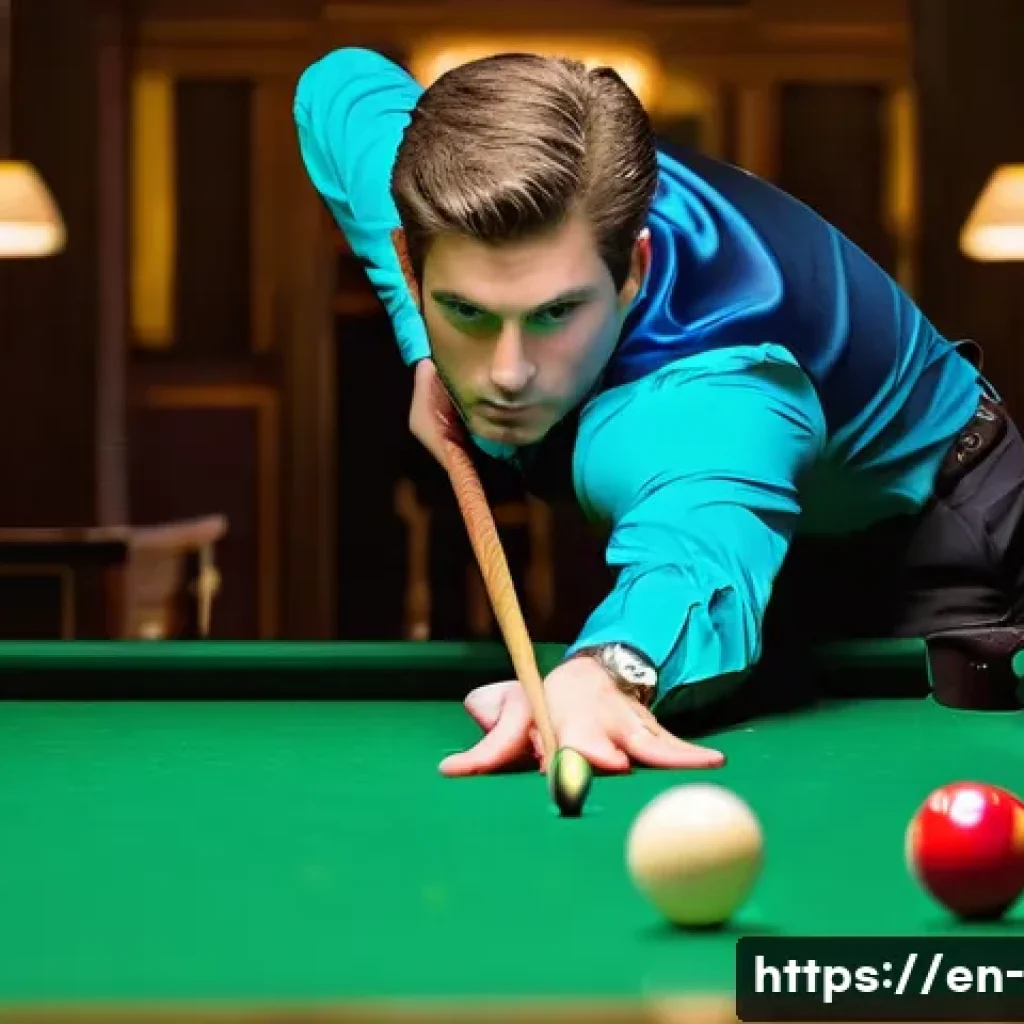
Hey everyone! If you’re anything like me, you’ve probably spent countless hours at the pool hall, only to feel that familiar sting of frustration when a seemingly easy shot goes wrong.
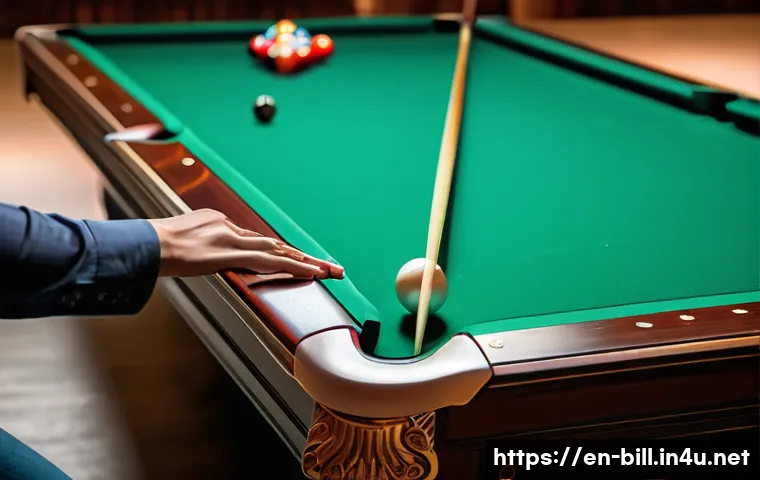
I mean, who hasn’t been there? You line up perfectly, you think you’ve got it, and then *thwack* – the cue ball goes rogue, or your object ball clatters off the pocket.
It’s enough to make you want to throw your cue across the room, right? I totally get it. For years, I struggled with those nagging mistakes that just wouldn’t disappear, no matter how much I practiced.
But what I’ve learned through countless games, both good and incredibly bad, is that most of these errors aren’t about lacking talent; they’re about missing a few key insights and techniques that can truly transform your game.
I’ve personally tried and tested so many different approaches, from grip adjustments to mental focus exercises, and I’ve finally honed in on what actually makes a difference.
It’s a game of precision, patience, and sometimes, just plain old common sense that gets overlooked in the heat of the moment. We all want to sink those shots effortlessly, impress our friends, or maybe even win that friendly wager.
The good news is, you absolutely can minimize those frustrating errors and elevate your play. It’s not about being a natural prodigy; it’s about smart practice and understanding the nuances that separate an okay player from a truly consistent one.
I’m excited to share the culmination of my own journey, diving deep into the tactical and mental shifts that helped me dramatically reduce my miss rate.
You’re about to discover some game-changing tips that I wish I knew years ago. So, if you’re ready to stop making those silly mistakes, gain better control over the cue ball, and start pocketing more shots with confidence, you’ve come to the right place.
I’ve distilled years of experience and countless hours at the table into actionable advice that you can implement tonight. Forget those frustrating miscue moments and let’s unlock your true potential on the felt.
I’m here to spill all the secrets and show you exactly how to transform your game, making every shot count.
Perfecting Your Posture: The Foundation of Every Shot
Finding Your Ideal Stance
You know, I’ve seen countless players, myself included, fumble shots simply because their stance wasn’t quite right. It sounds so basic, almost too simple to be a game-changer, but trust me, it’s absolutely crucial.
For years, I experimented with different stances – wide, narrow, open, closed – feeling awkward and inconsistent. What I finally realized is that there isn’t one “perfect” stance for everyone, but there *is* a perfect stance for *you*.
It’s all about finding that balance point where you feel stable, comfortable, and most importantly, aligned with your shot. I personally found my sweet spot by adopting a slightly open stance, with my dominant foot pointed towards the shot line, and my non-dominant foot providing a solid base.
This lets me get my head directly over the cue stick without straining, ensuring my vision is clear and unobstructed. A good way to test this out is to stand comfortably, then bend over the cue, making small adjustments until your eyes are directly above the cue stick, allowing you to see the shot line down the middle.
This physical stability translates directly to mental calm, which is invaluable when you’re facing a tricky bank shot or a game-winning eight ball. Don’t be afraid to try different things; what feels weird at first might just be your body settling into a more efficient position.
The Art of a Consistent Grip
Oh, the grip! This is another area where I made so many mistakes early on, and it cost me dearly. I used to grip the cue stick like I was trying to choke a chicken, white-knuckling it with all my might, especially on power shots.
The result? Stiff strokes, miscuing, and cue balls going off in directions I certainly didn’t intend. It felt like I was fighting the cue rather than working with it.
Through trial and error, and watching a lot of pros, I learned that a relaxed grip is actually your best friend. Think of it like holding a bird – firm enough so it doesn’t fly away, but gentle enough so you don’t crush it.
Your grip hand should act as a pivot point, allowing the cue to swing freely through your fingers. I usually place my thumb and forefinger together, forming a loose circle, with the other fingers providing light support.
This allows for a much smoother acceleration through the shot and significantly reduces unwanted torque on the cue ball. The moment I loosened my grip, I felt an immediate improvement in my consistency and control.
It’s a subtle change, but the impact on your game is profound. Practice a few shots focusing solely on this light, consistent grip, and you’ll be amazed at the difference it makes in your precision and feel for the ball.
Unlocking Your Stroke: Precision and Power Through Fluid Motion
Smooth Backswing and Follow-Through
When I first started playing, I thought a powerful stroke meant a fast, jerky backswing and then just slamming the cue ball. Boy, was I wrong! I’d often miss wide, or hit with too much spin, or just completely miscue.
It was incredibly frustrating because I felt like I was putting in the effort but getting nowhere. What I eventually learned, and what truly transformed my game, is that the key to both power and precision lies in the *smoothness* of your stroke, not its brute force.
Imagine your cue stick as a pendulum, swinging freely and accelerating naturally. Your backswing should be slow and controlled, giving you time to confirm your aim.
I always try to take a deep breath during my backswing, which helps calm my nerves and ensure my movement is deliberate. Then, the forward stroke should be a controlled acceleration, flowing through the cue ball.
Don’t stop at the point of impact! A full, uninhibited follow-through is absolutely critical. It ensures you impart the intended force and spin onto the cue ball, guiding it precisely where you want it to go.
Many of my early errors stemmed from “short-stroking,” where I’d pull back immediately after contact. The moment I committed to a full, generous follow-through, my shots became much more accurate and consistent.
It’s like the difference between a golfer topping the ball and hitting it cleanly.
Eliminating Unwanted Body Movement
This is a big one, and something I still catch myself doing when I’m under pressure or feeling a little too eager. I used to sway, lift my head, or shift my body weight during the stroke – subtle movements that felt insignificant at the time but completely threw off my aim.
It was like my body had a mind of its own, trying to help in ways that actually hindered my shot. I realized that any movement *other* than the pure forward motion of the cue stick is detrimental.
The goal is to keep your head perfectly still, your body stable, and only your forearm moving during the stroke. My breakthrough came when I started focusing intently on keeping my head down and still until *after* the cue ball had made contact with the object ball.
It sounds simple, but it takes conscious effort, especially when you’re dying to see where the ball is going! Another tip I picked up is to really anchor my bridge hand firmly to the table.
This creates a stable platform for the cue stick and helps prevent any rocking or swaying during the shot. I also found that exhaling slowly as I initiate the stroke helps to relax my body and prevent any involuntary movements.
It’s about becoming one with the shot, eliminating distractions, and letting the cue do its work unimpeded. This disciplined approach has dramatically reduced those annoying “why did that go there?” moments.
Sharpening Your Sights: Aiming with Confidence and Clarity
The Ghost Ball Technique
Alright, let’s talk about aiming. This is where the rubber meets the road, isn’t it? For the longest time, I just “felt” my shots, often leading to frustrating near-misses or just completely whiffing the pocket.
It was hit or miss, literally. Then I discovered the “ghost ball” technique, and honestly, it changed everything for me. It’s a visual aiming system that helps you determine exactly where the cue ball needs to strike the object ball to send it into the pocket.
Here’s how I use it: first, visualize an imaginary “ghost ball” that is touching the object ball exactly where you want to hit it, and *that* ghost ball is perfectly aligned with the pocket.
Your goal then becomes to hit the actual object ball with the cue ball at the point where the cue ball would strike the center of that imaginary ghost ball.
It sounds a bit abstract at first, but once you start practicing it, it becomes second nature. I’ll line up my shot, visualize that ghost ball, and then adjust my body and cue until I feel like my cue ball is heading directly for the center of that phantom sphere.
This method has given me such incredible confidence in my aiming, turning those ambiguous “I hope this goes in” moments into “I know exactly where this needs to go.”
Understanding English (Spin) and Its Effects
When I first started playing pool, “English” was just something people spoke in London. I had no idea how profoundly it could affect a shot, beyond making the cue ball do some wacky things sometimes.
I’d hit the cue ball dead center, thinking that was the safest bet, but then I’d struggle with positional play. Or I’d try to add some random side spin and completely miss the pocket, feeling completely lost.
Learning about English – top spin, draw (back spin), and side spin – and how to apply it purposefully, was a massive leap in my game. It’s not just for fancy trick shots; it’s a fundamental tool for cue ball control and positioning.
| English Type | Impact on Cue Ball | Best Use Cases |
|---|---|---|
| Top Spin (Follow) | Cue ball rolls forward after impact with object ball. | Getting position for the next shot, keeping cue ball in play. |
| Draw (Back Spin) | Cue ball reverses direction after impact with object ball. | Pulling the cue ball back for position, avoiding scratching. |
| Left/Right Side Spin | Cue ball deflects off rails at an angle, and curves slightly before impact. | Changing cue ball angle off rails, “cheating” the pocket. |
I learned that subtle adjustments to where I strike the cue ball, combined with the right amount of force, could completely change the outcome. Applying a little top spin, for instance, helps the cue ball “follow” through after hitting the object ball, perfect for setting up the next shot.
Conversely, a touch of draw can bring the cue ball back, helping you avoid scratching or get into a more favorable position. Side spin is trickier, as it can cause the cue ball to “squirt” off-line slightly before impact, but it’s invaluable for manipulating angles off the rails.
My advice? Start by experimenting with top and draw, getting a feel for how they affect the cue ball. Once you’re comfortable, then slowly introduce side spin, understanding that it requires more precise aim and adjustment.
It’s like adding new tools to your toolkit; suddenly, you can tackle shots you never thought possible.
Mastering Cue Ball Control: Your Strategic Advantage
Commanding Stun, Draw, and Follow Shots
For the longest time, my cue ball seemed to have a mind of its own. It would either follow the object ball too far, just sit there, or jump around unpredictably after a shot.
I remember countless games lost because I couldn’t get the cue ball to land in a desirable spot for my next shot. It was infuriating, feeling like I was constantly just reacting instead of planning.
The real turning point in my game came when I understood that controlling the cue ball’s post-impact movement – the stun, draw, and follow shots – isn’t just about raw power; it’s about precise contact and understanding physics.
A stun shot, for example, is achieved by hitting the cue ball slightly below its center with a firm, level stroke, causing it to stop dead or move very little after hitting the object ball.
I personally use this a lot for those close-range shots where I need the cue ball to stay put. Draw, on the other hand, comes from hitting the cue ball low with a downward stroke, imparting backspin that makes it reverse direction after impact.
This is my go-to for getting out of tight spots or setting up a shot on the opposite side of the table. Follow shots, using top spin, are excellent for advancing the cue ball up the table, often positioning you for a series of open shots.
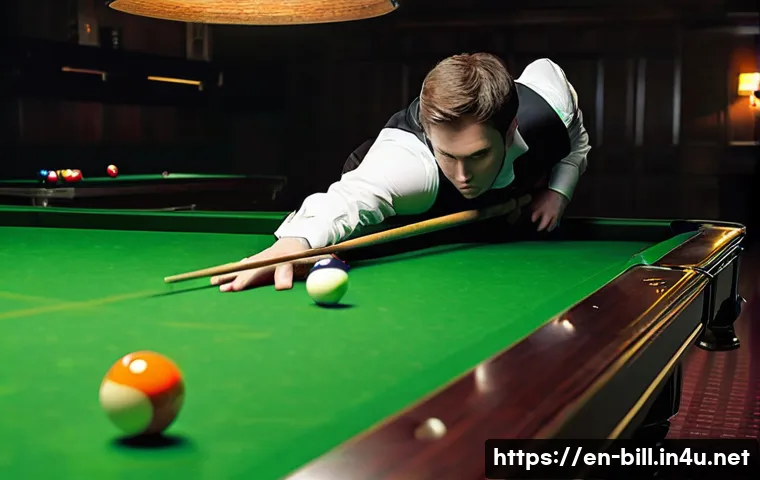
Learning to differentiate the subtle contact points and stroke speeds for each of these has opened up a whole new dimension of strategic play for me. It’s no longer about just sinking a ball; it’s about sinking a ball *and* controlling the entire table.
Strategic Positional Play for the Next Shot
Honestly, hitting a ball into a pocket is only half the battle, if that. What separates a good player from a truly great one is their ability to think two, three, or even four shots ahead.
For years, I was just focused on sinking the current ball, and then I’d look up, scratching my head, wondering how I was going to make the next one. It was a chaotic, frustrating way to play.
The moment I started thinking about positional play – where I wanted the cue ball to end up *after* my current shot – my game completely transformed. It became less about individual shots and more about creating pathways and opportunities.
I’d start by looking at the layout of the remaining balls, identifying potential sequences. Then, for my current shot, I’d consciously decide if I needed a stun, draw, or follow to get the cue ball into a specific “target area” for the next ball.
It’s like playing chess with billiard balls. For instance, if I’m trying to clear a cluster of balls, I might use a soft stun shot to leave the cue ball close for an easy follow-up.
Or, if the next shot is on the opposite side of the table, a controlled draw shot might be perfect to bring the cue ball all the way back. This kind of strategic thinking takes practice and a lot of visualization, but it’s incredibly rewarding.
I started spending more time *before* my shot, mentally rehearsing the cue ball’s path, and this pre-visualization has paid dividends in my consistency and overall game management.
The Mental Game: Beyond Mechanics, Into Mindset
Establishing Your Pre-Shot Ritual for Laser Focus
You know that feeling when you’re standing over the table, the pressure is on, and your mind just starts racing? That used to be me, every single time.
My thoughts would bounce between “Don’t miss!” and “What if I scratch?” and inevitably, those negative thoughts would sabotage my shot. I realized that while the physical mechanics are vital, the mental game is just as, if not more, important.
That’s when I started developing a pre-shot routine – a consistent sequence of actions I take before *every* shot, regardless of its difficulty. It’s my personal ritual to quiet the noise and bring laser focus.
Mine typically involves walking around the table to see the shot from different angles, chalking my cue deliberately, taking a deep breath to center myself, and then settling into my stance with a clear visualization of the cue ball’s path.
The magic isn’t in any single step, but in the *consistency* of the routine. It trains my brain to switch into “game mode,” telling it, “Okay, it’s time to focus now.” Even on simple shots, I stick to it.
This consistency builds confidence and reduces anxiety, because I know I’ve done everything in my power to prepare for that shot. It truly puts me in a flow state, where the outside world fades away, and it’s just me, the cue ball, and the pocket.
Conquering Pressure and Bouncing Back from Frustration
Let’s be real: pool can be incredibly frustrating. We all make mistakes, even pros. I used to let a bad shot completely derail my entire game.
One miss would lead to another, fueled by anger and self-criticism. It was a vicious cycle. What I’ve learned, through many painful losses, is that how you *react* to a mistake is far more important than the mistake itself.
I’ve personally trained myself to acknowledge the mistake, learn from it quickly, and then immediately let it go. It’s like a mental reset button. Instead of dwelling on a missed shot, I’ll take a moment, maybe walk around the table, take a deep breath, and tell myself, “Okay, that’s done.
Focus on the next one.” I also try to remind myself that it’s just a game, and everyone makes errors. This mindset shift has been absolutely transformative.
It’s not about being emotionless; it’s about not letting those emotions control your game. Building resilience is crucial. When you miss, analyze *why* you missed without judgment, then move on.
Sometimes, I even use a little self-talk, like “Alright, time to show what you’re really made of!” This helps turn frustration into motivation. Remember, the next shot is always a new opportunity, and maintaining a positive attitude, even after a stumble, is a massive competitive advantage.
Optimizing Your Arsenal: Equipment That Elevates Your Play
Choosing the Right Cue: More Than Just a Stick
When I first started playing pool, I literally just grabbed whatever house cue was available. I figured, “a stick is a stick, right?” Oh, how wrong I was!
I quickly realized that using a warped, worn-out house cue was like trying to sculpt marble with a butter knife – frustrating and ineffective. Upgrading to my own cue was one of the best investments I made in my game.
It’s more than just a piece of wood; it’s an extension of yourself. When choosing a cue, the weight is super important. I personally prefer a cue around 19-20 ounces, as it gives me a good balance of power and control without feeling too heavy or too light.
The tip size also makes a difference; a smaller tip (around 12.5mm) offers more precise control for English, while a larger tip (13mm or more) can be more forgiving.
I also considered the shaft material – some prefer maple, others composite. I landed on a maple shaft because I liked the feel and feedback. It’s all about what feels right in *your* hands.
I spent a fair bit of time at a local billiard shop, trying out different cues, getting a feel for their balance and weight. Don’t rush this decision!
A good cue that feels comfortable and natural will significantly improve your consistency and enjoyment of the game. It truly becomes an extension of your body, responding to your every intention.
The Unsung Hero: Tip Maintenance and Chalking Habits
This might seem like a minor detail, but I’m telling you, proper tip maintenance and consistent chalking are absolute game-changers, and they’re often overlooked!
For years, I’d just haphazardly chalk my cue, often forgetting until I was mid-stroke, leading to frustrating miscuing. I’ve also seen players with tips so worn down they look like a mushroom, wondering why they can’t get any spin.
A properly maintained cue tip is crucial for gripping the cue ball and imparting the desired spin. I personally make sure my cue tip has a nice, rounded dome shape, not too flat, not too pointy.
I use a tip shaper and scuffer regularly to keep it in prime condition, ensuring it holds chalk well. And speaking of chalk, developing a consistent chalking habit is non-negotiable for me now.
I chalk my cue before *every* shot, without fail. It’s part of my pre-shot routine, a quick, almost unconscious action that ensures I have maximum grip on the cue ball.
Don’t just dab it on; make sure you coat the entire surface of the tip. It’s a small habit, but the payoff in reduced miscuing and improved control is immense.
Think of it as ensuring your tires have enough tread before driving; you wouldn’t skimp on that, so don’t skimp on your cue tip! This simple discipline will elevate your game more than you might think.
Wrapping Things Up
And there you have it, folks! We’ve taken a deep dive into so many aspects of the game we love, from the very foundations of your stance and grip to the intricate dance of cue ball control and the mind games we sometimes play with ourselves. Honestly, I hope sharing my own journey, my mistakes, and my breakthroughs has resonated with you. Pool isn’t just about hitting balls; it’s a constant learning experience, a mental challenge, and a truly rewarding pursuit. It’s about those moments when a difficult shot just *clicks*, or when you execute a perfect positional play you’ve been practicing. Keep at it, keep experimenting, and most importantly, keep enjoying every moment at the table. Your game *will* thank you for it.
Good to Know Info
Here are a few extra nuggets of wisdom I’ve picked up along the way that can seriously level up your game. These aren’t just theoretical tips; these are things I’ve personally experienced the benefit of, and they’ve been invaluable in my journey to becoming a more consistent and confident player. Trust me, incorporating these into your routine can make a world of difference, not just in your skill, but in your overall enjoyment and mental approach to pool.
1. Embrace Deliberate Practice Over Aimless Shooting: This was a huge revelation for me. For years, I’d just walk up to a table and start hitting balls, hoping to magically get better. What truly helped was shifting to *deliberate practice*. Instead of just random shots, focus on specific drills: straight-in shots, corner pockets only, specific English applications, or even just working on your bridge hand stability. I’d set up challenging scenarios and practice them repeatedly, analyzing what went wrong and why. It’s like hitting the gym with a purpose instead of just wandering around. You’ll see improvements much faster because you’re targeting specific weaknesses rather than just blindly hoping for progress. It felt a bit tedious at first, but the results spoke for themselves, turning frustration into real, measurable progress.
2. Watch and Learn from the Masters (and Even Your Local Pros): When I hit a plateau, I started watching high-level professional players, not just for entertainment, but for serious study. I’d pay close attention to their pre-shot routines, their body language, how they approached tricky clusters, and especially their cue ball control. It’s incredible what you can pick up just by observing. You don’t have to mimic them exactly, but seeing how they handle pressure, their shot selection, and the nuances of their stroke can provide invaluable insights you might never discover on your own. Even better, find a good local player or instructor and ask if you can watch them play, or even if they have any tips. Most experienced players are happy to share their knowledge.
3. Consider a Coaching Session or Mentorship: This one’s a biggie. While self-teaching is great, there comes a point where an outside perspective is invaluable. I eventually invested in a few coaching sessions, and it was an absolute game-changer. An experienced coach can spot flaws in your stance, stroke, or aiming that you might be completely unaware of, no matter how much you analyze your own game. They can provide personalized drills and feedback tailored to your specific weaknesses. If a dedicated coach isn’t feasible, finding a seasoned mentor in your local pool hall can also work wonders. Their wisdom and guidance can shave years off your learning curve and correct bad habits before they become deeply ingrained, which was certainly the case for me and my grip.
4. Play With (and Against) Better Players: This is probably one of the fastest ways to improve. When you consistently play against people who are better than you, it forces you to elevate your own game. You’ll learn by osmosis, seeing how they execute shots, manage the table, and handle pressure. You’ll also be pushed out of your comfort zone, attempting shots and strategies you might not otherwise consider. I used to be intimidated, but I quickly realized that every game, even a loss, was a learning opportunity. Don’t be afraid to ask them questions afterward, either! Most good players appreciate the initiative and are happy to share a tip or two. It truly refines your strategic thinking and makes you mentally tougher in the long run.
5. Record Yourself Playing and Review Critically: In today’s world of smartphones, this is an incredibly accessible and powerful tool. I started setting up my phone to record myself playing, and it was eye-opening. What I *thought* I was doing often didn’t match what the camera showed. You might notice head movement, a jerky backswing, or a subtle body shift that you’d never perceive in real-time. It’s like having a personal coach who never gets tired. Watch your videos with a critical eye, focusing on one aspect at a time (e.g., just your stroke, then just your head movement). This objective feedback is invaluable for identifying and correcting those ingrained habits that are holding you back. It’s tough to watch your own flaws, but it’s the most honest feedback you’ll ever get!
Key Takeaways
So, as we bring this journey to a close, remember these core principles that have shaped my own path in billiards and will undoubtedly help yours: always prioritize the fundamentals, because a solid foundation in posture, grip, and stroke is where true consistency begins. Embrace cue ball control not as a fancy trick, but as your most strategic asset, allowing you to orchestrate the entire table. Never underestimate the power of your mind; developing a consistent pre-shot routine and cultivating resilience against frustration are just as crucial as any physical technique. Lastly, view your equipment as an extension of yourself, investing wisely and maintaining it diligently. Pool is a beautiful blend of physics, precision, and psychology, and mastering it is a lifelong, rewarding adventure. Keep practicing, keep learning, and most importantly, keep enjoying the game!
Frequently Asked Questions (FAQ) 📖
Q: What are the most common beginner mistakes that keep players from improving, and how can I fix them quickly?
A: Oh, I’ve seen ’em all, and trust me, I’ve made most of them myself! The biggest culprits I’ve noticed, especially with new players, often come down to a few fundamental things.
First off, it’s often poor stance and grip. I remember when I first started, I gripped the cue like a life raft, and my stance was all over the place.
That leads to jerky shots and zero consistency! You want your feet about shoulder-width apart, your dominant eye aligned with the shot, and your weight distributed nicely for balance.
And for your grip? Keep it relaxed, but firm, not like you’re strangling the cue stick. A smooth, straight cueing action with no wiggles is key.
Another huge one is neglecting to chalk your cue. Seriously, I used to forget this all the time in my early days, and then wonder why I kept miscuing.
Chalk gives you the necessary friction to prevent those frustrating slips and crooked shots. Make it a habit: chalk before every shot, or at least every other one.
It feels a bit excessive at first, but it makes a world of difference. And hey, don’t forget to keep your cue level! Angling it up or down too much can send the ball jumping or curving unexpectedly.
I learned this the hard way trying to get fancy when I should have just focused on the basics. Trust me, master these, and you’ll see a noticeable jump in your game almost immediately.
Q: I struggle with getting the cue ball where I want it to go after pocketing a ball. How can I improve my cue ball control for better position play?
A: Ah, cue ball control, my friend! This is where the magic really starts to happen, and it took me a long time to truly “get” it. For ages, I was just focused on sinking the object ball, and then bam, the cue ball would end up in the worst possible spot.
It’s like neglecting to plan your next move in chess! The secret, I found, isn’t just about hitting the ball hard or softly; it’s about understanding spin and speed.
First, let’s talk about spin, or “English.” Many beginners, myself included, try to apply side spin too early, leading to unpredictable shots. My advice?
Start by practicing hitting the cue ball dead center with varying speeds to see how it naturally reacts. Once you’re consistently hitting straight shots, then you can slowly introduce topspin (follow), backspin (draw), and side spin.
Topspin makes the cue ball roll forward after contact, following the object ball. Backspin makes it come back towards you. Side spin, or English, will make the cue ball curve after hitting a cushion, which is super helpful for getting into tricky positions.
The next crucial element is speed control. Honestly, this is probably the biggest game-changer. You need to develop a “feel” for how much power sends the cue ball where.
I often practice simply rolling the cue ball from one end of the table to the other, trying to stop it at specific diamonds. This builds muscle memory for shot power.
Also, learn to visualize the cue ball’s path not just to the object ball, but after it hits. Where do you need it to be for your next shot? Thinking one or two shots ahead makes a massive difference in your ability to control the table.
Don’t be afraid to use the rails strategically to position the cue ball, too. It’s all about practice, paying attention to the details, and honestly, a little bit of patience with yourself!
Q: I find myself getting really nervous or frustrated during games, especially when I miss an easy shot. How can I keep my head in the game and stay calm under pressure?
A: Oh, the mental game! This one hits home for me. I can’t tell you how many times I’ve been cruising, felt good, then missed a hanger, and suddenly my whole game just crumbles.
It’s like my brain decides to sabotage me! What I’ve learned is that pool isn’t just about physical skill; it’s a huge mind sport, and taming those nerves is vital for consistent play.
One of the most effective strategies I’ve adopted is having a solid pre-shot routine. It doesn’t have to be anything crazy, but a consistent sequence of actions before every shot helps quiet my mind and focus.
For me, it’s usually chalking my cue, taking a deep breath, visualizing the shot, and then a few smooth practice strokes before I actually hit the ball.
If something feels off, I actually stand up and restart the routine. It feels weird to walk away from a shot once you’re down, but it’s so much better than rushing a bad shot because you feel pressured.
Another huge helper is positive self-talk and learning to let go of mistakes. I used to beat myself up for every missed shot, and it would just spiral.
Now, I try to remind myself that everyone makes mistakes – even the pros! Instead of thinking, “Don’t miss this easy shot!” I tell myself, “Stay calm, focus on the contact point, smooth stroke.” It shifts your brain from negative anticipation to positive action.
When I miss, I take another deep breath, acknowledge it, and then completely “reset” my focus for the next shot. It’s about staying in the present moment and enjoying the challenge, not dwelling on the past.
Practicing under pressure, like playing friendly matches with a small wager, can also train your brain to perform when it counts. Trust me, once you start controlling your mind, your hands will follow!