
You know that feeling, right? Stepping up to the table, ready to break, but something just feels… off.
Maybe your old cue isn’t performing like it used to, or perhaps you’re finally ready to graduate from the house stick. I’ve been there, staring at countless options, wondering if I need to take out a second mortgage just for a decent cue.
The good news is, the world of billiards equipment has truly evolved, and what was once only accessible to pros with deep pockets is now within reach for everyday players.
We’re seeing incredible advancements in materials and manufacturing, like more accessible low-deflection technology and quality maple or carbon fiber shafts, that bring top-tier performance down to surprisingly affordable price points.
Forget those outdated notions that a good cue has to cost an arm and a leg; the market is bursting with hidden gems that offer fantastic feel, balance, and precision without emptying your wallet.
As someone who’s spent countless hours on felt, both learning and teaching, I’ve personally tested a ton of cues across all price ranges. And honestly, some of my favorite playing experiences have come from cues that didn’t break the bank.
The trick is knowing where to look and what features truly matter for your game, focusing on a straight shaft, a solid grip, and a properly made tip over flashy designs.
It’s not about the flashiest design, but about finding that perfect extension of yourself that allows you to play your best. I’m excited to share insights gleaned from hours of play and research, cutting through the noise to bring you the real deal on maximizing your game without minimizing your savings.
This is about smart choices, understanding value, and elevating your play with the right tools, without falling for overpriced marketing hype. Let’s make every shot count, shall we?
Alright, fellow pool sharks and aspiring pros! Let’s be honest: dreaming of that perfect shot often comes with the nagging thought of needing a high-end cue.
But what if I told you that incredible performance doesn’t always come with a sky-high price tag? I’ve spent years navigating the green felt, and through countless games, I’ve discovered some truly spectacular budget-friendly cues that play way above their weight class.
It’s not just about saving money; it’s about smart playing and finding that perfect balance of feel and precision without sacrificing your coffee fund.
Trust me, you don’t need to break the bank to elevate your game and surprise your opponents. There are some absolute gems out there just waiting to be discovered.
I’m here to show you exactly how to find them and totally transform your game without emptying your wallet!
The Real Deal: Unmasking the Truth About Cue Costs

Why You Don’t Need a Mortgage-Level Investment
Okay, let’s get real for a second. When I first started seriously getting into pool, I absolutely fell into the trap of thinking “more expensive equals better performance.” I’d walk into pro shops, eyes wide, staring at cues with price tags that made my wallet weep.
I saw pros effortlessly sinking shots with cues that cost thousands, and I figured that was the secret sauce. Boy, was I wrong! After years of playing in leagues, open tables, and even a few local tournaments, I’ve come to a pretty firm conclusion: while high-end cues can be fantastic, they often come with a significant markup for brand name, exotic materials that offer diminishing returns, or simply aesthetics.
What I’ve learned, and what I want to share with you, is that the core elements that truly impact your shot – things like straightness, balance, tip quality, and low deflection – are now available in cues that won’t require you to sell a kidney.
Manufacturers have gotten incredibly good at producing high-quality components at a much more accessible price point. It’s about smart engineering and efficient production, not just flashy inlays.
Trust me, the sheer joy of outplaying someone with a $150 cue while they’re wielding a $1500 stick is a feeling you won’t soon forget! It’s all about finding that perfect synergy between you and your cue, and that connection doesn’t necessarily have a four-figure price tag.
The Secret Sauce: Understanding Value Over Brand
This might sound a bit rebellious, but sometimes, paying for a big-name brand in billiards is like paying for organic kale at a gourmet market when the regular stuff tastes just as good and offers the same nutrients.
Don’t get me wrong, some established brands consistently deliver quality, but the market is absolutely flooded with fantastic cues from lesser-known or house brands that offer incredible value.
These companies often focus their resources on performance features rather than extensive marketing campaigns or ornate designs. I’ve personally stumbled upon a few “no-name” cues in dusty corners of local pro shops that played like a dream.
It taught me a valuable lesson: always judge a cue by its feel, its straightness, and its playability, not by the logo on the butt cap. What we’re really after is a consistent, reliable tool that feels like an extension of your arm, not a status symbol.
Focus on the basics: a solid joint, a straight shaft, and a good tip. If those elements are present and feel right in your hand, you’re probably holding a winner, regardless of the brand.
It’s about finding your perfect cue, one that helps you sink those tough shots and brings a smile to your face, all without the buyer’s remorse that can come with an exorbitant price tag.
The Anatomy of a Game-Changing Cue: What to Look For
Shaft Material: Wood vs. Carbon Fiber on a Budget
Alright, let’s talk shafts because honestly, this is where a huge chunk of your cue’s performance comes from. For years, maple was the undisputed king, and for good reason!
It offers a fantastic feel, consistent feedback, and it’s incredibly durable when properly cared for. You can find some absolutely superb maple shafts, often with low-deflection technology, even in the budget-friendly range.
I’ve played with many maple cues under $200 that felt crisp and responsive. The key with maple is checking for straightness and a smooth finish. However, carbon fiber shafts have burst onto the scene in a big way, and while they traditionally came with a premium price tag, we’re now seeing more affordable options emerge.
Carbon fiber offers incredibly low deflection, which means your cue ball goes where you aim it with minimal squirt or English adjustment, making tricky shots feel more predictable.
It also tends to be more consistent in varying humidity and is less prone to dings. While you might not get the absolute top-tier carbon fiber for under $300, there are some fantastic entry-level carbon fiber cues or aftermarket shafts that can dramatically upgrade your game without emptying your savings.
Personally, I love the consistent feel of carbon fiber for its predictability, especially on those power shots where I really want to drive the cue ball.
Tip Talk: The Unsung Hero of Your Shot
This is one of those things that new players often overlook, but let me tell you, the cue tip is absolutely crucial! It’s the only part of your cue that actually touches the ball, so its quality and condition directly impact your spin, control, and overall feel.
Most budget cues come with a decent factory tip, usually a medium hardness. These are perfectly fine to start with, but don’t be afraid to experiment!
Upgrading your tip is one of the most cost-effective ways to instantly improve your cue’s performance. I’ve seen players completely transform their game just by switching to a layered leather tip that offers better grip on the cue ball and more consistent English.
Harder tips are great for power shots and breaking, while softer tips offer maximum grip and feel for delicate touch shots. My advice? Don’t settle for a worn-out or poorly shaped tip.
If your cue feels good but your shots are inconsistent, a new tip might be all you need. It’s a relatively inexpensive upgrade that can make a monumental difference, giving you that extra bit of confidence to execute those finesse shots you’ve been practicing.
My Personal Playbook: Top Affordable Cue Recommendations
Players Technology Series and Sneaky Pete Styles
Alright, if you’re looking for a solid workhorse cue that won’t disappoint, the Players Technology series has always been a go-to recommendation for me.
They consistently deliver incredible value. You can often find their cues, especially those with their HXT low-deflection shafts, in the $150-$250 range.
What I love about Players is their commitment to providing good quality components – straight shafts, solid joints, and decent tips – all wrapped up in designs that range from classic to contemporary.
Many of my league teammates swear by them, and I’ve personally used a Players cue as a backup stick for years. It’s just reliable. Another fantastic option, if you prefer a more understated look that often hides a powerful punch, is the “Sneaky Pete” style cue.
These cues are designed to look like house cues, but they’re built with much higher quality materials and construction. Brands like Action and even some specific lines from McDermott (their Star series, for example, can sometimes fall into a great price range) offer excellent Sneaky Petes that play incredibly well for their price.
The beauty of a Sneaky Pete is that you get pro-level performance without drawing unnecessary attention – perfect for surprising an unsuspecting opponent at the local pool hall!
Beyond the Big Brands: Discovering Hidden Gems
Sometimes, the best finds are the ones you have to dig a little for. I’m talking about those lesser-known brands or even house brand cues from reputable billiards suppliers.
I’ve picked up cues from brands like Viper, Cuetec (their lower-end models are fantastic value), and even some of the more basic lines from Rage and Valhalla, and been pleasantly surprised by their performance.
What often makes these “hidden gems” so good is that they’re designed with playability in mind, focusing on solid construction rather than intricate inlays or exotic woods.
When you’re browsing online or in a store, don’t be afraid to try out cues from brands you haven’t heard of. Feel the balance, check the straightness, and see how the tip feels.
You might just stumble upon your new favorite cue for a fraction of what you expected to pay. Remember, the goal isn’t to show off a brand name; it’s to find a tool that makes your game better.
My advice here is to read reviews, but also trust your own hands. If it feels good, plays straight, and is within your budget, it’s a gem!
Smart Choices: Maximizing Your Budget for Performance
Feature Focus: Where to Spend and Where to Save
Navigating the world of cues on a budget means making smart decisions about where your money goes. Think of it like this: if you have $200, you don’t want to blow half of it on a fancy grip wrap if the shaft is crooked.
The absolute priority should always be the straightness of the shaft. A straight cue is non-negotiable for consistent play. After that, focus on the joint.
A solid, tight joint ensures good feedback and power transfer. Many budget cues now come with quick-release joints which are fantastic for convenience without sacrificing performance.
Next, consider the tip – as I mentioned, it’s a game-changer and an easy upgrade. Where you can save money is on exotic woods, intricate inlays, and flashy designs.
While they look gorgeous, they don’t fundamentally improve your shot. I’ve owned cues with stunning artwork that played terribly, and plain cues that felt like an extension of my soul.
Stick to simple designs, perhaps a stained maple or a clean painted finish, and put your money towards a quality shaft and a good tip. It’s about substance over style when you’re watching your pennies, and honestly, the satisfaction of playing well with an unpretentious cue is a reward in itself.
Understanding the Value Equation: What Different Price Points Offer
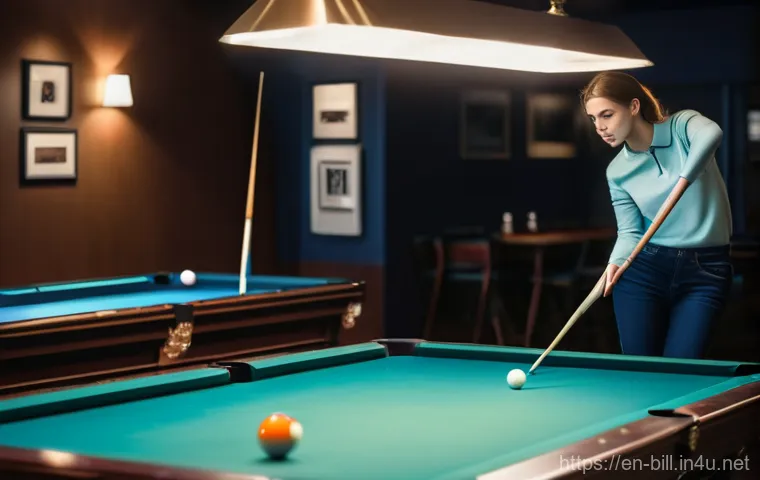
Let’s break down what you can generally expect at different price points, based on my own trial-and-error journey. This isn’t a hard-and-fast rule, but it’s a pretty good guide.
| Price Range | What to Expect (Generally) | My Two Cents (Experience-Based) |
|---|---|---|
| Under $100 | Basic maple cue, often factory tip, standard deflection. Good for beginners or a sturdy house cue. | You can find playable cues here, but often need a tip upgrade. Check for straightness diligently. Great for casual play. |
| $100 – $250 | Good quality maple, often with low-deflection technology (e.g., Players HXT, Cuetec Cynergy low-end). Better factory tips, more consistent construction. | This is the sweet spot for incredible value! Many cues here play way above their price tag. My personal league cues often fall into this range. |
| $250 – $400 | Premium maple or entry-level carbon fiber shafts. More refined craftsmanship, better balance, wider range of joint types. | If you want to dabble in carbon fiber or get a really solid, long-term maple cue without breaking the bank, this range offers fantastic options. A significant step up in feel. |
My experience tells me that jumping from a $200 cue to a $500 cue might offer incremental improvements, but the leap in performance from a generic house cue to a $150-250 model is absolutely monumental.
That’s where you get the most bang for your buck.
Elevating Your Game: Customization and Care on a Budget
Personalizing Your Play: Simple Upgrades That Make a Difference
So, you’ve found your perfect budget cue – congrats! But the journey doesn’t have to end there. Even affordable cues can be personalized to feel even more like your cue.
The easiest, and arguably most impactful, upgrade is changing the tip. As I’ve said, a good quality layered leather tip can seriously transform how your cue interacts with the ball, giving you more control and spin.
It’s a relatively inexpensive process, and many local pro shops or experienced players can do it for you. Another simple upgrade is the grip. If your cue came with a basic Irish linen wrap that feels a bit slippery, consider wrapping it with a sport grip or even a leather wrap if you find one on sale.
A comfortable, secure grip is essential for consistent stroke mechanics. I once swapped out a slick wrap for a textured sport grip on a $120 cue, and it felt like a brand new, much more expensive stick!
These small, thoughtful upgrades show your cue some love and truly make it feel like an extension of your own playing style, without costing an arm and a leg.
Don’t underestimate the power of these subtle tweaks.
Longevity is Key: Protecting Your Investment
Even the most affordable cue deserves proper care, and let me tell you, treating your cue well is the best way to ensure it performs consistently for years.
The biggest enemies? Humidity changes, extreme temperatures, and leaning it against walls. Always, always store your cue in a case when you’re not playing.
A basic soft case will do the trick for protection against dings and scratches, but a hard case offers better protection against warping due to environmental changes.
I learned this the hard way with one of my first “good” cues – left it in the car during a hot summer day, and it developed a slight warp. Devastating!
Regularly wipe down your shaft with a clean, dry cloth to remove chalk residue and dirt. If you play a lot, investing in a shaft conditioner once in a while can keep the wood smooth.
These are simple habits, but they go a long way in maintaining the straightness and feel of your cue, no matter how much you paid for it. Think of it as preventative maintenance for your most important piece of billiards equipment.
A well-cared-for cue is a happy cue, and a happy cue means a happy player!
Sharpening Your Skills: Beyond the Hardware
Practice Smart, Not Just Hard
Finding the perfect cue is fantastic, but let’s be honest, it’s just a tool. The real magic happens when you put in the work. And by work, I don’t mean just mindlessly knocking balls around.
I mean smart practice. Focus on fundamentals: a consistent stroke, proper bridge hand, and accurate aiming. There are tons of free resources online – YouTube channels, articles, even free drills you can download.
I used to spend hours just practicing straight-in shots and cue ball control drills. It’s not glamorous, but it builds muscle memory and confidence. Instead of always playing full games, dedicate chunks of your practice time to specific weaknesses.
Are you struggling with English? Spend 20 minutes just on draw shots. Can’t quite get that follow shot right?
Work on it! Your affordable cue, combined with dedicated, focused practice, will lead to far greater improvements than simply buying the most expensive stick on the market.
Remember, even the pros spend countless hours on fundamentals. It’s the foundation of everything.
Learning from the Best (and the Rest!)
One of the coolest things about billiards is the community. Don’t be afraid to observe other players, especially those who are better than you. Watch their stroke, their body mechanics, how they use English.
Politely ask for advice – most experienced players are more than happy to share a tip or two. I’ve learned so much just by watching league nights and striking up conversations.
Another great way to learn is by playing against different opponents. Each person has a unique style, and adapting to it will make you a more versatile player.
There are also fantastic online coaching platforms and instructional videos that can provide structured learning. You don’t need expensive lessons to get better; often, a keen eye, an open mind, and a willingness to learn from those around you are all you need.
Combine your sharp new budget cue with a sharp mind, and you’ll be amazed at how quickly your game elevates. It’s all about continuous improvement, on and off the table.
Wrapping Things Up
Well, friends, we’ve covered a lot of ground today, haven’t we? It’s been a journey from those early days of coveting outrageously priced cues to finding true satisfaction in smart choices. What I really want you to take away from all this is that the world of billiards doesn’t demand you break the bank to play well or even to look good doing it. Your passion, your practice, and a carefully chosen, well-maintained cue are truly all you need to elevate your game and surprise a few folks along the way. Remember, it’s about the connection you have with your cue, not the price tag it carries. Go out there, trust your instincts, and enjoy every single shot!
Useful Information to Know
1. Refine Your Grip and Stance for Precision. Honestly, this is a game-changer that so many new players overlook. A light, loose grip, much like you’re holding a bird rather than a baseball bat, is crucial for smooth strokes and better control over the cue ball. Couple that with a stable, balanced stance where your feet are solidly planted and your body aligned, and you’ll immediately feel a difference in your accuracy. Practice getting comfortable in this position, ensuring your head and eyes are directly over the cue for optimal aiming. It might feel awkward at first, but consistent practice here builds the foundation for more advanced play. This isn’t about strength; it’s about fluidity and consistency, and trust me, your shots will thank you for it.
2. Master Your Bridge Techniques. Your bridge hand is the unsung hero of your shot, providing the stable platform your cue needs to perform its magic. While a basic open bridge is great for starters, exploring different techniques like a closed bridge for more control, a rail bridge for shots near the cushion, or an elevated bridge for tricky situations will significantly expand your shot-making arsenal. Each bridge offers unique advantages in terms of stability, cue elevation, and aiming precision. Spend time practicing each one. Feel how your cue glides through different bridge types and notice how it impacts your ability to apply English and control the cue ball. It’s a fundamental skill that, once mastered, opens up so many possibilities on the table.
3. Develop a Consistent Pre-Shot Routine. Have you ever noticed how pros seem to go through the same motions before every shot? That’s not just for show; it’s a vital part of their game! A consistent pre-shot routine – from chalking your cue, to approaching the table, to taking practice strokes, and finally, committing to your shot – helps to calm your nerves, focus your mind, and build muscle memory. It minimizes distractions and ensures you’re mentally and physically prepared for each shot. I’ve found that even a simple 5-10 second routine can dramatically improve my consistency, especially under pressure. Don’t underestimate the power of routine; it’s like a mental reset button before every strike, helping you to execute with confidence and precision.
4. Practice with Purpose, Not Just Random Shots. Hitting balls aimlessly is fun, but it won’t make you a better player. Effective practice is about having a goal. Instead of just “playing around,” dedicate your time to specific drills that target your weaknesses. Are you struggling with draw shots? Set up a drill just for that. Need better cue ball control? Practice specific positioning shots. There are countless drills available online that focus on fundamentals like straight-in shots, aiming, and cue ball paths. And here’s a tip from my own experience: if you miss a shot in a drill, put the ball back and try it again until you get it right, or make it slightly easier if it’s too challenging. This focused repetition builds actual skills far more effectively than random hitting and will make your valuable table time truly count.
5. Smart Cue Maintenance Extends Lifespan. You’ve invested in a great cue, even if it was budget-friendly, so treat it right! Proper care isn’t just about aesthetics; it’s about maintaining performance and longevity. Always store your cue in a case when not in use to protect it from dings and warping due to temperature and humidity changes. Regularly wipe down your shaft with a clean, dry cloth to remove chalk and oils. And don’t forget your tip! Keep it properly shaped and scuffed to ensure consistent chalk retention and optimal grip on the cue ball. These simple habits prevent issues like warpage or a sticky shaft, ensuring your cue feels great in your hand and performs consistently, shot after shot, for years to come.
Key Takeaways
At the end of the day, my friends, the journey to becoming a better pool player isn’t paved with extravagant cue purchases, but with thoughtful choices and dedicated practice. What I’ve really learned through countless games and endless hours at the table is that true value lies in a cue’s fundamental playability – its straightness, balance, and tip quality – rather than its brand name or flashy aesthetics. Smart players understand that investing in a quality shaft and a customizable tip offers the most significant performance boost for their buck, transforming a decent cue into an extension of their will on the felt. Couple this smart hardware selection with purposeful practice, focusing on mastering fundamentals like grip, stance, and a consistent pre-shot routine, and you’ll find your game soaring. Remember, your connection to the cue and your commitment to improvement are your most powerful assets, far outweighing any price tag. So, trust your feel, play smart, and enjoy the incredible satisfaction of sinking that perfect shot!
Frequently Asked Questions (FAQ) 📖
Q: Can a truly “cheap” pool cue actually be good, or am I just wasting my money?
A: Oh, this is a question I hear all the time, and I totally get the skepticism! For years, “cheap” meant “bad,” but things have seriously changed. From my own experience, and from talking to countless players, I can tell you that an affordable cue absolutely can be good.
It’s not about the price tag, but about the craftsmanship and the right features. I’ve played with cues that cost an arm and a leg and others that were super budget-friendly, and sometimes, the difference in performance was negligible for an amateur or intermediate player.
What matters most is a straight shaft, a solid joint, and a decent tip. You can find cues made from quality Canadian hard maple, for example, that offer durability and a consistent hit without the exorbitant cost.
Some brands like Valhalla by Viking are renowned for being excellent choices under $100, providing surprising quality for the price. The key is to focus on function over flashy aesthetics.
A well-constructed, affordable cue can feel like a natural extension of your arm, giving you the precision and control you need to sink those tricky shots.
Don’t let anyone tell you that you must spend hundreds to enjoy the game or improve significantly; that’s just not true in today’s market.
Q: What’s the deal with “low deflection” technology, and can I get it in a budget cue?
A: Ah, low deflection (LD)! This is one of those advancements that’s really changed the game, and I’m excited to say it’s becoming way more accessible. Essentially, a low-deflection shaft is designed to reduce the “squirt” or sideways movement of the cue ball when you hit it off-center, especially when applying English (side spin).
This means your cue ball goes where you aim it, with less compensation needed for spin, leading to more accurate shots and greater control. Now, traditionally, LD shafts were only found in high-end cues, which was a real bummer for those of us on a budget.
But here’s the good news: thanks to advancements in materials like carbon fiber and hybrid constructions, you can absolutely find affordable cues and shafts with low-deflection properties!
I’ve personally tried a few, and the difference is noticeable. Brands like Players Technology Series HXT or some Cuetec AVID models offer excellent low-deflection performance at price points that won’t make your wallet cry.
It’s a fantastic technology that can genuinely elevate your game, and it’s no longer just for the pros with deep pockets.
Q: When I’m looking for a budget-friendly cue, what specific features should I prioritize to get the best bang for my buck?
A: This is where being a smart shopper really pays off! When I’m hunting for a great value cue, I hone in on a few critical features that truly impact playability, ignoring the superficial stuff.
First, and most importantly, is a straight shaft made from quality wood like North American hard maple. You’d be surprised how many inexpensive cues can warp over time, so check for straightness right away.
Second, pay attention to the cue tip. A good quality, multi-layered leather tip (medium hardness is often a great all-around choice) provides excellent control and spin potential.
It’s the only part that touches the ball, so it’s vital. Third, consider the weight and balance. Most players prefer cues between 18 to 21 ounces, but finding a weight and balance point that feels comfortable and natural in your hand is key to consistent shots.
Lastly, don’t overlook a solid joint construction and a comfortable wrap (like Irish linen or a good synthetic). These ensure a consistent hit and a stable grip.
You might not get all the exotic inlays or the super-fancy carbon fiber shaft for under $100, but focusing on these core elements will get you a reliable, high-performing cue that feels great to play with, saving you money for more table time or, dare I say, another coffee!