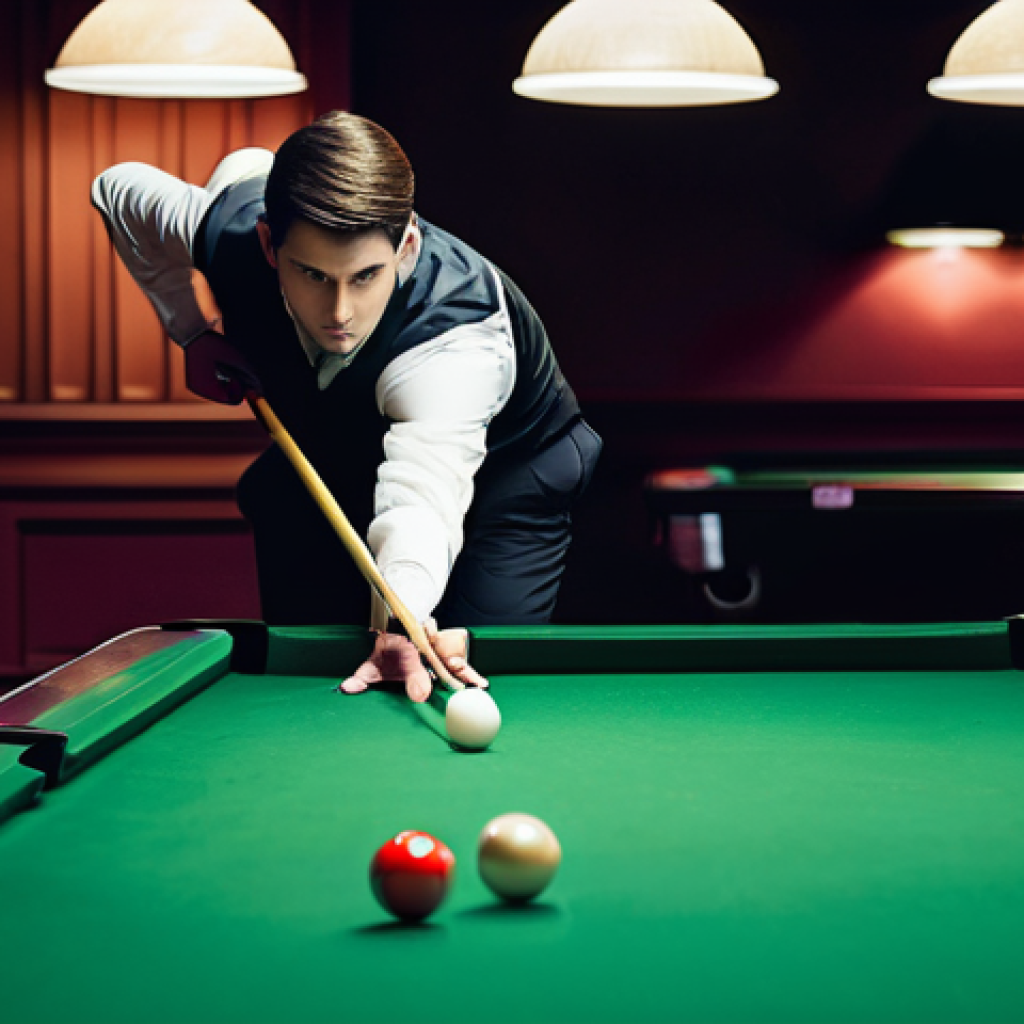
Hey everyone! Ever walked into a pool hall, picked up a cue, and immediately felt like all your balls were conspiring against you? You’re not alone.
I vividly remember those early days when my shots went everywhere but the pocket, and my friends seemed to effortlessly sink theirs while I just wondered what magical alignment they possessed.
It felt incredibly frustrating, like trying to speak a new language without a phrasebook. But here’s the secret: mastering billiards isn’t about innate talent; it’s about smart, consistent practice.
I’ve spent countless hours on the felt, making every mistake in the book so you don’t have to, and I’ve learned that unlocking your potential starts with understanding the fundamental techniques and having a focused approach.
From refining your grip and stance to executing pinpoint aim, there are proven methods that can truly transform your game from fumbling beginner to confident cueist.
You don’t need fancy equipment or a professional coach right away – just a few golden nuggets of wisdom and the right drills can make all the difference.
Ready to stop guessing and start sinking? Let’s dive in and elevate your game, together!
Setting Your Stance: The Silent Foundation of Every Perfect Shot
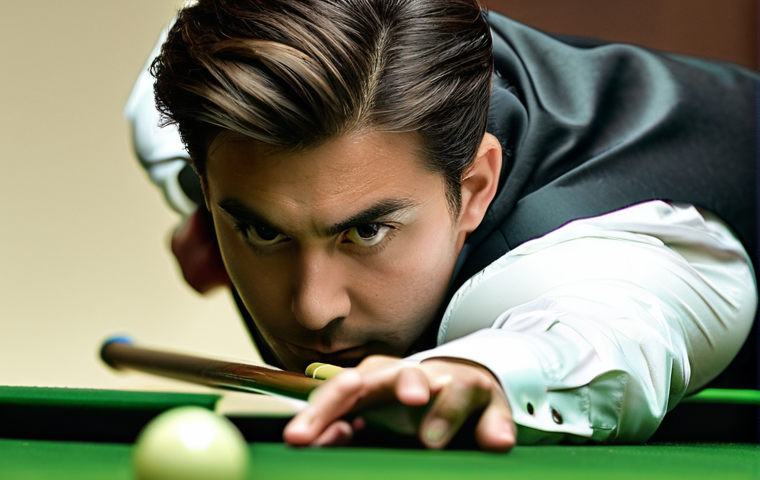
Okay, let’s be real. When I first started playing pool, my stance was, well, a disaster. I shuffled around, leaned awkwardly, and basically looked like I was trying to hug the table more than shoot a ball. It felt incredibly unnatural, and my shots were about as consistent as a toddler’s bedtime. But trust me, getting your stance right is like building a skyscraper on solid ground—it’s the invisible hero that supports everything else. Without a stable base, every single shot you take will be fighting against you, wobbling and veering off course. I’ve seen countless players, myself included, spend hours practicing aim only to realize their wobbly foundation was the real culprit. It’s not about looking cool; it’s about minimizing movement and maximizing stability, allowing your body to become a sturdy platform for your stroke. Think of it as a dance where your feet, hips, and shoulders are perfectly choreographed to create an unshakeable connection with the cue. It took me a while to find what felt “right” for my body, but once I did, it was like a lightbulb went off. My consistency shot through the roof, and suddenly, those once-impossible shots started feeling within reach. Don’t skip this step, because it truly is where all the magic begins.
Finding Your Footing: The Power of the Bridge and Body Alignment
Your feet are your anchors. I remember watching seasoned players and noticing how still they were, almost like statues, through their shots. Meanwhile, I was doing a little jig with every stroke. The key is to find a comfortable, balanced position that allows you to lean into the shot without putting strain on your back or shoulders. For right-handers, your left foot (if shooting right-handed) should be forward, pointing towards the line of your shot, and your right foot slightly back and out, providing a wide, stable base. It’s not a one-size-fits-all, so experiment until it feels natural and strong. The bridge hand, oh man, this was another game-changer for me! I used to just plop my hand down, fingers splayed, and wonder why my cue kept sliding all over the place. A solid bridge – whether it’s an open bridge for most shots or a closed bridge for more control – provides a stable guide for your cue. It’s like a custom-made rail for your cue stick. I spent what felt like forever just practicing forming a good, high, and stable bridge, ensuring my cue could glide through it smoothly without any friction. This seemingly small detail significantly reduces unwanted cue movement and helps in delivering a straighter shot, every single time. It truly felt like I unlocked a secret weapon once I got this down.
Grip it Right: The Gentle Art of Holding the Cue
Now, let’s talk about the grip. This is where so many beginners (and even some intermediate players!) go wrong, and I was definitely in that camp for a long time. I used to clench the cue stick like it was trying to escape my grasp, squeezing it so hard my knuckles turned white. My arm would tense up, and my stroke would be stiff and jerky. The result? Shots that went wide, hit too hard, or just felt completely out of control. It felt like I was fighting the cue rather than working with it. The revelation came when a more experienced friend told me, “Hold it like you’re holding a bird. Firm enough so it doesn’t fly away, but gentle enough so you don’t crush it.” That analogy stuck with me. Your grip should be relaxed, almost loose, with your fingers forming a gentle loop around the cue. This allows for a natural pendulum motion of your arm and lets the cue do the work. The grip should be just tight enough at the point of impact to transfer energy effectively, but for the rest of the stroke, relaxation is your best friend. This relaxed approach allows for a much smoother follow-through, which is absolutely critical for consistent cue ball control. I noticed an immediate difference in how effortlessly the cue swung and how much more precise my shots became once I eased up on my death grip.
The Art of Vision: Sharpening Your Aim and Alignment
For the longest time, I thought aiming in billiards was some kind of mystical power, only bestowed upon the chosen few. I’d squint, guess, and hope for the best, often watching my ball sail past the pocket with a sigh. It was a truly disheartening experience, making me question if I even had hand-eye coordination. But here’s the truth: aiming is a skill, a highly learnable one at that, and it’s deeply rooted in understanding geometry and visual alignment. It’s not about being born with perfect vision; it’s about training your eyes to see the lines and angles that are already there. I’ve spent countless hours practicing alignment drills, learning to trust my eyes and the physics of the game. The “ghost ball” method was a revelation for me – envisioning where the cue ball needs to hit the object ball to send it to the pocket. This visual training has been paramount in transforming my haphazard shots into deliberate, confident attempts. It’s not just about hitting the ball; it’s about hitting it *exactly* where it needs to be to achieve the desired outcome, and that all starts with precise aiming. The satisfaction of a perfectly aimed shot, seeing the ball drop exactly where you intended, is truly unparalleled.
Targeting Success: The Ghost Ball and Fractional Aiming
The ghost ball concept is probably the single most impactful aiming technique I learned. Imagine a “ghost” cue ball, perfectly aligned with the pocket, touching the object ball exactly where you need to make contact. Your job then is to hit your actual cue ball into the center of that imaginary ghost ball. It sounds simple, but it takes practice to visualize this consistently. I used to struggle with over-cutting or under-cutting shots, always missing by just a hair. By focusing on the ghost ball, I started to intuitively understand the “contact point” on the object ball. Another crucial aspect is fractional aiming – understanding that you’re often not hitting the object ball full on, but rather aiming for a fraction of its surface. A half-ball hit, a quarter-ball hit – these terms become incredibly important. I started setting up simple straight-in shots and then gradually moving the object ball to practice different fractional hits. It was painstaking at first, but each successful shot, no matter how small, built my confidence and refined my visual understanding of impact. This systematic approach to aiming turned a frustrating guessing game into a predictable and enjoyable challenge. It truly is about training your eyes to see the geometry.
Eye Dominance and Shot Line: Why Your Vision Matters
Have you ever considered which of your eyes is dominant? It might sound trivial, but it can significantly impact how you perceive the line of your shot. I discovered I was right-eye dominant, and realizing this helped me adjust my head position slightly over the cue to ensure my dominant eye was directly over the line of aim. Before that, I was unconsciously misaligning myself, and my shots were always slightly off. It felt like I was constantly fighting against an invisible force. Once I made that small adjustment, my perception of the target became much clearer. Beyond eye dominance, maintaining a consistent head position relative to the cue is vital. As you address the ball, your head should be still and directly over the shot line, allowing your eyes to track the cue’s path to the object ball and beyond. Any head movement during the stroke can throw off your aim by fractions of an inch, which is enough to miss a pocket. I used to lift my head prematurely, eager to see where the ball would go, and that was a major error. Learning to keep my head down and still until the cue ball has made contact was a hard habit to break, but absolutely essential for improving accuracy and consistency. It’s a small detail with huge implications for your game.
The Perfect Stroke: Unleashing Power and Precision
Ah, the stroke. This is where the magic really happens, where all your stance and aiming efforts culminate in sending the cue ball exactly where it needs to go. For years, my stroke was a frantic jab, a desperate lunge at the cue ball. I’d put all my effort into hitting it hard, thinking power equaled precision, and boy, was I wrong. My cue would fly off-line, the cue ball would go wild, and the results were, predictably, disastrous. It felt like I was wrestling a wild animal every time I shot. What I eventually learned, through many missed shots and patient observation, is that a perfect stroke is less about brute force and more about a smooth, controlled, and rhythmic motion. It’s like a pendulum swing – effortless, consistent, and powerful in its simplicity. The key is to develop a consistent pre-shot routine that helps you settle into your stroke, ensuring that each swing is as identical as possible. I still remember the first time I consciously focused on a smooth follow-through instead of just hitting the ball; the difference was night and day. The cue ball reacted exactly as I intended, and it was a genuinely exhilarating feeling. This is where your practice truly pays off, transforming a flailing attempt into a graceful, effective motion.
Pre-Shot Routine: Building Muscle Memory for Consistency
Before every shot, I used to just walk up, eye the ball, and shoot. No routine, no consistency, just pure impulse. Unsurprisingly, my results were all over the map. Developing a pre-shot routine was one of the biggest leaps forward in my game. It’s not just for pros; it’s a powerful tool for anyone serious about improving. My routine now involves taking a practice stroke or two off the table, feeling the weight of the cue, then stepping into my stance, checking my alignment, visualizing the shot, and finally, executing the stroke. It becomes a ritual, a mental and physical checklist that ensures you’re ready for every shot. This consistency builds incredible muscle memory, so your body knows exactly what to do without conscious thought. I found that this routine also helped calm my nerves during intense games, creating a sense of familiarity and control even under pressure. It’s about eliminating variables and making sure that when it’s time to pull the trigger, you’ve done everything possible to set yourself up for success. It’s amazing how a simple, repeatable process can bring so much order to the chaos of a pool game.
Follow Through: The Unsung Hero of Cue Ball Control
If there’s one aspect of the stroke that I truly neglected in my early days, it was the follow-through. I’d hit the cue ball and then immediately pull my cue back, or lift my head, curious to see where the object ball was going. This premature movement robbed my shots of power, accuracy, and, most importantly, cue ball control. It felt like I was cutting the energy transfer short, leaving the shot incomplete. What I learned, through painful trial and error, is that the follow-through is just as, if not more, important than the initial contact. Your cue should continue through the cue ball’s position, extending towards your target line, as if you’re trying to touch the object ball with your cue tip *after* the cue ball has already moved. This ensures maximum energy transfer and a straight, consistent path for the cue ball. It’s this smooth, unhurried extension that allows you to impart English (spin) effectively and dictate where the cue ball ends up after contact. I made a conscious effort to keep my head down and my cue extended for a full second after each shot, and the difference in my cue ball positioning was astonishing. It felt like I finally had command over the cue ball, guiding it like a skilled shepherd. Don’t underestimate the power of a proper follow-through; it’s a game-changer.
Mastering Cue Ball Control: Beyond Just Sinking the Shot
Alright, so you’ve got your stance, your aim is getting sharper, and your stroke is smoothing out. That’s fantastic! You’re sinking balls, and it feels great. But what happens after the object ball disappears into the pocket? If your cue ball is careening wildly to the other end of the table, leaving you with impossible next shots, then you’re missing a massive piece of the puzzle: cue ball control. For a long time, I just focused on getting *a* ball in, any ball, and then hoped for the best on the next shot. It was a chaotic way to play, and I often found myself out of position after a successful shot. This lack of control made clearing the table feel like winning the lottery – pure luck. The real joy of billiards, and where you separate yourself from casual players, comes when you can consistently dictate where the cue ball will land for your *next* shot. This strategic thinking, known as position play, is what truly elevates your game from good to great. It means thinking two, three, or even four shots ahead, planning the entire sequence. It’s like chess on a felt table, and once you start seeing the table this way, the game transforms into something infinitely more rewarding and complex. It’s no longer just about sinking one ball; it’s about setting up a flawless run.
Spin Doctor: Understanding English (Side Spin)
English, or side spin, used to intimidate me. I thought it was some advanced technique only pros should attempt, and every time I tried it, my cue ball would go off course. It felt like I was gambling, not playing a controlled shot. But once I dedicated time to understanding it, it became one of my most powerful tools. Hitting the cue ball slightly off-center – left, right, top, or bottom – imparts spin, which dramatically alters the cue ball’s trajectory after it hits the object ball or the rails. Top spin makes the cue ball roll forward after contact, ideal for following the object ball. Bottom spin makes it draw back, perfect for creating space for the next shot. Side spin, left or right, allows you to curve the cue ball into position or adjust for angle-induced deflections. I started by practicing simple draw shots and follow shots, slowly building up my confidence. Then, I moved to subtle side spin, learning how it affected the cue ball’s path after hitting a rail. It’s a nuanced skill that requires precise cue ball striking, but the control it grants you over the table is unparalleled. It truly unlocks a new dimension in your game, allowing you to manipulate the cue ball with incredible finesse. Learning to use English effectively made me feel like I finally understood the language of the table.
Speed Control: The Unsung Hero of Position Play
Beyond spin, the speed at which you hit the cue ball is critically important, yet often overlooked by beginners. I used to hit almost every shot with the same force, resulting in the cue ball either barely making it to position or rocketing across the table. It was a one-speed game, and it severely limited my options. Learning to vary my shot power, from a gentle tap to a firm stroke, was a huge breakthrough. Speed control dictates how far the cue ball travels, how much spin it maintains, and how it reacts off the rails. A soft touch can set up a short, easy next shot, while a firmer stroke might be needed to navigate the cue ball through traffic for a more challenging position. I practiced hitting the cue ball to specific spots on the table with varying degrees of force, trying to land it in a designated area. This drill helped me develop a “feel” for the table and the cue ball’s momentum. It’s about developing an internal gauge for how much power is needed for each unique situation. Mastering speed control, in conjunction with spin, gives you complete command over the cue ball, allowing you to play the game with incredible precision and strategy. This is where you truly start to feel like you’re playing chess, not just checkers.
Strategic Play: Thinking Several Shots Ahead
When I first started, my strategy amounted to “hit the easiest ball into the closest pocket.” And while that’s a decent starting point, it quickly becomes a roadblock if you want to advance beyond casual play. I’d sink a ball, then stare at the table, completely lost about what to do next because my cue ball was in some impossible spot. It was like I was constantly reacting to the table instead of dictating the flow of the game. True strategic play in billiards is like playing chess: you’re not just thinking about your current move, but how that move sets up your next one, and the one after that. It’s about seeing patterns, anticipating consequences, and making decisions that maximize your chances of clearing the table. This mental shift from “one ball at a time” to “entire run planning” felt daunting at first, almost like learning a new language. But once you start looking at the table with this new lens, the game opens up in incredible ways. You begin to understand that sometimes, making a slightly harder shot now can lead to a much easier series of shots later. It’s about calculated risk and intelligent decision-making, which is infinitely more satisfying than just relying on luck.
Opening Shots: Setting the Tone for Your Run
The break shot is your first statement on the table, and for years, mine was more of a whimpering question. I’d just smash the rack, hoping something would fall in, and often leave myself with a terrible spread. It felt like a wasted opportunity to gain an early advantage. Learning to execute a controlled, powerful break that opens up the rack and, ideally, sinks a ball or two, is crucial. But beyond the break, your first few shots after the break are paramount. This is where you establish your control and start to build your run. I learned the hard way that picking the easiest ball might not always be the smartest choice if it leaves you out of position. Sometimes, it’s better to take a slightly more challenging shot if it guarantees a clear path to your next few balls. It’s about thinking in sequences rather than isolated shots. I started to visualize entire strings of shots, planning where each cue ball would land to set up the subsequent shot. This level of intentionality in the opening stages of a game dramatically increases your chances of clearing the table efficiently. It felt like I was finally playing offense, not just defense.
Safety Play: When Defense is the Best Offense
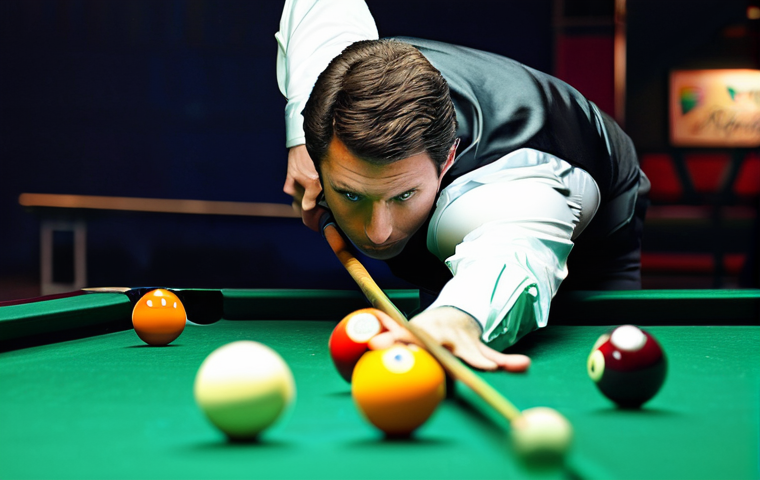
This was a concept that took me a long time to embrace. My aggressive nature always wanted to shoot for the pocket, no matter how low the probability of success. I’d take crazy shots, miss, and then leave my opponent with an open table. It was frustrating and often led to quick losses. Safety play, at its core, is about denying your opponent an easy shot while leaving yourself in a favorable position for your next turn, or simply hiding the cue ball behind another ball. It’s about strategic defense. There are times when taking a risk on a low-percentage shot isn’t worth it; a well-executed safety can be far more effective in the long run. I started incorporating safety shots into my practice, learning how to leave the cue ball in difficult positions for my imaginary opponent. It felt counter-intuitive at first, deliberately not trying to sink a ball, but the results spoke for themselves. By minimizing my opponent’s opportunities, I drastically improved my overall game. This mental shift from always attacking to sometimes playing smart defense transformed my understanding of the game and added a whole new layer of tactical depth. It made me a much more well-rounded and formidable player.
Drills That Deliver: Practice with Purpose
We all know practice is important, right? But for years, my “practice” consisted of just hitting balls aimlessly around the table, hoping for some miraculous improvement. It was unstructured, often boring, and ultimately ineffective. I’d leave the pool hall feeling like I hadn’t made any real progress. What I’ve learned, and what truly changed my game, is that practice needs to be purposeful and targeted. It’s not about the quantity of shots you take, but the quality and intent behind each one. Just like an athlete doesn’t just run laps without a goal, a pool player shouldn’t just hit balls without specific drills in mind. Drills provide focus, expose your weaknesses, and allow you to measure your progress. They transform a casual hitting session into a structured learning experience. I started incorporating specific drills into my routine, and suddenly, my practice sessions became engaging and productive. I could see tangible improvements in specific areas of my game, which was incredibly motivating. It felt like I finally had a roadmap to improvement instead of just wandering around. If you want to see real improvement, stop aimlessly hitting balls and start drilling with intention!
The “Stop Shot” Drill: Mastering the Center Ball
This drill is a fundamental building block for cue ball control, and one that I still use to warm up. The goal is simple: hit the cue ball in its exact center, directly at an object ball, and make the cue ball stop dead where it makes contact. It sounds easy, but achieving perfect center-ball contact consistently requires a precise stroke and proper follow-through. For a long time, my “stop shots” would either draw back slightly or follow through a bit, indicating I wasn’t hitting the center perfectly. This drill teaches you to trust your stroke and understand the immediate reaction of the cue ball without any spin. I usually place an object ball a few diamonds away from the cue ball and aim to sink it in a side or corner pocket, focusing solely on making the cue ball stop. It isolates your ability to deliver a perfectly straight, unadulterated stroke. Once you can reliably execute stop shots, you’ll have a much better foundation for adding spin and controlling the cue ball’s movement more precisely. It’s a simple drill, but its impact on your overall game is profound. It truly builds that foundational trust in your stroke mechanics.
Corner Pocket Isolation: Precision Under Pressure
Corner pockets are notoriously trickier than side pockets, and for good reason—they’re smaller and have tighter angles. I used to avoid them like the plague, always opting for the side pocket if available. This drill forces you to confront that challenge head-on. Place an object ball at varying distances and angles to a corner pocket, and practice sinking it consistently. The key here isn’t just to sink the ball, but to make it feel routine. Focus on every aspect: your stance, your bridge, your aim, and your follow-through. I found that intentionally setting up slightly uncomfortable angles helped me refine my aiming and develop a better feel for different cut shots. You can add a layer of complexity by trying to leave the cue ball in a specific area for the “next shot,” even though you’re just practicing. This drill not only improves your aiming accuracy for the most challenging pockets but also builds mental resilience. The more you successfully pocket balls into the corners, the more confident you’ll become during actual games. It’s tough love for your game, but it delivers results.
The Mental Game: Conquering Pressure and Building Confidence
Billiards isn’t just about physical skill; it’s a deeply mental game. I can’t tell you how many times I’ve seen players, myself included, crumble under pressure. A perfectly easy shot suddenly feels like an impossible task when the game is on the line. My hands would get sweaty, my heart would pound, and my focus would completely disappear. It felt like my mind was actively sabotaging my physical abilities. This aspect of the game can be incredibly frustrating, as you know you *can* make the shot, but your mind just won’t cooperate. Learning to control your emotions, maintain focus, and build unwavering confidence is just as important as perfecting your stroke or aim. It’s about developing a psychological toolkit that helps you perform at your best, even when the stakes are high. This isn’t something you’re born with; it’s a skill that you cultivate through practice, self-awareness, and intentional strategies. Once I started paying attention to my mental state during games, I realized how much it impacted my performance, and addressing it became a priority. It’s about harnessing your inner strength and channeling it into every shot.
Breathing and Visualization: Calming the Storm Within
When the pressure mounts, our bodies often react with tension and anxiety. For me, that meant a racing heart and shallow breathing, which instantly messed with my smooth stroke. I discovered that simple breathing exercises before a crucial shot can make a world of difference. A slow, deep inhale, holding it for a moment, and then a long, controlled exhale helps to calm the nervous system and bring focus back. It’s like hitting a reset button for your mind. Coupled with this, visualization became a powerful tool. Before I even step to the table, I close my eyes for a split second and mentally play out the shot, seeing the cue ball hit the object ball, the object ball drop into the pocket, and the cue ball land exactly where I want it to be. This mental rehearsal helps to reinforce positive outcomes and builds confidence. It’s about seeing yourself succeed before you even attempt the shot. I’ve found that combining these two techniques not only reduces anxiety but also clarifies my shot execution. It transforms a moment of potential panic into one of calm, focused intention. It’s amazing how much control you can gain over your game by simply controlling your breath and thoughts.
Learning from Mistakes: The Path to Resilience
Every player makes mistakes – that’s just a fact of life in billiards. For a long time, a single missed shot would send me spiraling into frustration, affecting my next three shots. I’d dwell on the error, replay it in my head, and let it completely derail my focus. It felt like every mistake was a personal failure, rather than a learning opportunity. What I eventually learned, and what truly changed my approach to the game, is that mistakes are simply feedback. They’re telling you what areas you need to work on. Instead of getting angry, I started to quickly analyze what went wrong – was it my stance, my aim, my stroke, or simply a bad read of the table? Then, I’d immediately shift my focus to the next shot, leaving the previous one behind. This resilience is key to playing consistently well. Don’t let one bad shot define your entire game. Embrace the learning, make a mental note, and move on. Building this mental toughness allows you to stay composed and perform at your best, even when things aren’t going perfectly. It’s about developing a thick skin and a growth mindset, turning every stumble into a step forward.
| Common Beginner Mindset | Pro-Level Approach |
|---|---|
| Focuses solely on sinking the current ball. | Plans multiple shots ahead for optimal position. |
| Grips the cue tightly, leading to stiff strokes. | Maintains a relaxed grip, allowing for a fluid stroke. |
| Hopes for the best with cue ball positioning. | Utilizes spin and speed control to dictate cue ball path. |
| Avoids challenging shots or pockets. | Embraces all shots, understanding proper technique for each. |
| Reacts emotionally to missed shots, losing focus. | Analyzes mistakes quickly and maintains composure for next shot. |
| Practices aimlessly, without specific goals. | Engages in purposeful drills to target weaknesses. |
Equipment Edge: The Tools That Propel Your Game
When I first started out, I played with whatever cue stick the pool hall offered. And honestly, they were often warped, had terrible tips, and felt like I was wielding a flimsy broomstick. It felt like I was fighting the equipment as much as the balls. For a long time, I thought a cue was just a stick, and any stick would do. Boy, was I wrong! While you don’t need to break the bank on a custom cue when you’re just starting, understanding how your equipment impacts your game is crucial. A good cue stick, one that feels balanced and straight, can truly make a world of difference in your confidence and shot consistency. It’s an extension of your arm, and you want that extension to be reliable. Beyond the cue, small accessories can also dramatically enhance your playing experience. Investing in a decent cue and understanding the basics of cue maintenance isn’t about showing off; it’s about giving yourself the best possible tools to learn and improve. It felt like an upgrade not just for my gear, but for my entire game, empowering me with more consistent performance and a greater sense of control over every shot. It’s amazing how much a reliable tool can boost your confidence.
Choosing Your Weapon: The Right Cue Stick for You
Walking into a billiards shop can be overwhelming with all the different cues available – different weights, tips, joints, and materials. For a long time, I just picked whatever looked “cool,” without understanding what actually mattered. My first personal cue was a cheap one I got online, and while it was better than the house cues, it wasn’t ideal. I eventually learned that a good cue should feel like an extension of your arm, not a separate object. The weight distribution is key; some prefer a heavier cue for power, others a lighter one for finesse. The tip, often made of leather, is perhaps the most important part as it’s the point of contact with the cue ball. A good tip holds chalk well and provides consistent grip. I eventually upgraded to a mid-range cue after trying out a few friends’ sticks and realizing what felt best for my stroke. Don’t be afraid to experiment with different weights and balances. A good pool cue isn’t just an expense; it’s an investment in your game, providing the consistent feedback and feel you need to truly refine your technique. It’s about finding that perfect match that just *feels* right in your hands, giving you an immediate boost in confidence.
Accessories That Elevate: Chalk, Glove, and Tip Tool
Beyond the cue itself, there are a few small accessories that can significantly improve your game without costing a fortune. First up, chalk. Good quality chalk is essential for preventing miscues (when the cue tip slips off the cue ball). I used to just grab whatever chalk was lying around, but a quality piece of chalk adheres better and provides more consistent friction. Always chalk your cue before every shot! Then there’s the glove. For players whose hands get sweaty or sticky, a billiard glove can provide a smooth, consistent surface for your cue to glide through your bridge hand. I started using one because my hands would get clammy, causing friction and inconsistent strokes. It made a surprising difference in my consistency. Finally, a tip tool – this small device helps you shape and scuff your cue tip, ensuring it holds chalk effectively and makes proper contact with the cue ball. I used to think these were just for pros, but maintaining a good tip is crucial for spin control and preventing those frustrating miscues. These small, often overlooked, items can add a layer of consistency and control to your game that you might not even realize you’re missing. Trust me, they’re worth the small investment.
Wrapping Things Up
Phew! We’ve covered a lot of ground today, haven’t we? From the foundational importance of your stance to the nuanced art of cue ball control and the crucial mental game, it’s clear that billiards is far more than just hitting balls into pockets.
It’s a journey of continuous learning, self-discovery, and endless satisfaction. I remember feeling overwhelmed when I first started, trying to juggle all these different concepts in my head.
But trust me, as you consistently apply these principles and dedicate time to purposeful practice, you’ll start seeing incredible improvements. Each successful shot, each perfectly executed position play, will build your confidence and deepen your love for the game.
Don’t get discouraged by missed shots; they’re just stepping stones on your path to mastery. Embrace the process, enjoy the challenge, and most importantly, have fun out there.
This game has brought me so much joy and taught me patience, precision, and resilience, and I truly believe it can do the same for you. Keep honing those skills, and I promise you, the rewards are immense.
Valuable Insights for Your Game
Here are some quick pointers I’ve picked up along my journey that I wish someone had told me earlier:
1. Consistency is King: Focus on developing a repeatable pre-shot routine. It’s not about one perfect shot, but about making every shot as consistent as possible. This builds muscle memory and reduces errors, even under pressure.
2. Relax Your Grip: A death grip on the cue stick is a common mistake. Hold it gently, like you’re holding a delicate bird. This allows for a smoother, more natural pendulum stroke and significantly improves cue ball control.
3. Prioritize Position Play: Don’t just aim to sink the current ball; always think one or two shots ahead. Plan where you want the cue ball to land for your next shot. This strategic thinking is what truly elevates your game.
4. Embrace Drills: Aimless practice yields aimless results. Incorporate specific drills into your routine to target weaknesses like stop shots, corner pocket accuracy, or specific spin applications. Practice with purpose!
5. Master the Mental Game: Billiards is as much mental as it is physical. Learn to control your breath, visualize successful shots, and let go of mistakes quickly. A calm and focused mind is your most powerful weapon.
Key Takeaways
To truly excel in billiards, remember that success stems from a blend of fundamental techniques, strategic thinking, and mental fortitude. Your stance provides the stable base, your aim ensures accuracy, and your stroke delivers the power and precision.
Beyond these mechanics, cue ball control—mastering spin and speed—is what allows you to dictate the flow of the game, setting up future shots with intent.
Never underestimate the power of strategic play, planning several moves ahead, and knowing when to play a safety rather than forcing a low-percentage shot.
Finally, purposeful drills are essential for honing specific skills, and cultivating a strong mental game—managing pressure and learning from errors—will be your greatest asset in competitive play.
Keep practicing, keep learning, and most importantly, keep enjoying every moment at the table!
Frequently Asked Questions (FAQ) 📖
Q: I feel like I’m constantly messing up my shots, and it’s super frustrating! What’s the absolute first thing I should focus on to stop feeling so defeated?
A: Oh, trust me, I’ve been there! That feeling of your balls conspiring against you? It’s universal for anyone picking up a cue.
The biggest mistake beginners make isn’t some fancy trick shot gone wrong, it’s actually rushing the fundamentals and getting tense. Many players, especially new ones, tend to grip the cue way too tightly, thinking it gives them more control.
But what it actually does is make your stroke stiff, inconsistent, and can even cause the cue ball to jump off the table! My advice? Start by relaxing that grip.
Imagine you’re holding a small bird – firm enough so it doesn’t fly away, but gentle enough not to crush it. This light, relaxed grip allows for a much smoother, pendulum-like stroke, giving you far more control over the cue ball’s speed and direction.
When I first focused on this, it felt a bit strange, like I was going to drop the cue, but after a few hours of practice, it became second nature, and my accuracy seriously started to improve.
Combine this with a stable, comfortable stance, and you’ll immediately feel more grounded and in command. You’re not alone in this journey, and with just a little tweak to your grip, you’ll feel that frustration start to melt away.
Q: Okay, I’m trying to relax my grip. What are the next crucial fundamentals for my stance, aim, and stroke that I absolutely must nail down to truly transform my game?
A: Fantastic! Loosening that grip is a game-changer. Now, let’s build on that with your stance, aim, and stroke – the holy trinity of billiards!
I learned early on that these aren’t just suggestions, they’re the bedrock. First, your stance: Think stability and balance. Your feet should generally be about shoulder-width apart, with your dominant foot slightly back and at about a 45-degree angle.
Distribute your weight evenly, and try to avoid leaning too much on one foot, as this throws off your balance. When you bend over, make sure your head is low and directly over the cue, aligning your dominant eye with the shot.
It might feel a bit awkward at first, almost like a boxer’s stance, but this creates a stable foundation that allows your stroking arm to move freely and consistently.
I remember experimenting with different foot positions for weeks until I found what felt right, and it made all the difference in feeling connected to the shot.
Next, aim: This is where many people get lost, but it doesn’t have to be complicated. Forget trying to hit the exact center of the object ball for every shot.
Instead, use the “ghost ball” technique. Visualize an imaginary “ghost ball” that the cue ball needs to hit to send the object ball into the pocket. The cue ball effectively replaces this ghost ball.
Before you even get down on the shot, stand a few feet back and visualize this aiming line. Trust that initial vision! When you get down, your eyes should mostly be focused on that contact point on the object ball.
It’s like drawing a straight line in your mind from the pocket, through the object ball, to where the cue ball needs to make contact. Finally, the stroke: This is where your relaxed grip shines.
Your stroking arm should move like a pendulum, with your elbow acting as the pivot point. Keep your upper arm as still as possible, letting only your forearm swing back and forth.
The cue stick should stay level throughout the stroke – avoid angling it up or down, which can cause the cue ball to jump or swerve. And here’s a pro tip I live by: follow through!
Don’t stop your cue when it hits the cue ball; instead, push through it as if you’re trying to touch the spot where the cue ball was. This ensures a smooth, powerful, and accurate shot.
It’s all about repetition here. The more you practice these three fundamentals, the more they become muscle memory, and your game will truly transform.
Q: I usually play by myself, and sometimes it’s hard to stay motivated. What are some effective solo practice drills or routines that can help me improve quickly and keep things interesting, even without an opponent?
A: I totally get that! Practicing alone can sometimes feel a bit like talking to yourself, but it’s actually where I saw the most dramatic improvement in my own game.
Think of it as dedicated “me time” with the table, where you can really focus without pressure. Here are a few drills that I personally found incredibly helpful and keep things from getting stale:1.
The “Straight-In” Progression: This is a classic for a reason! Line up a single object ball dead center on the foot spot (the one near the diamonds). Place the cue ball directly in front of it, straight back towards the head spot (the one near the other end).
Your goal is to sink the object ball straight into the opposite pocket, making the cue ball stop dead in its tracks. Once you can do that consistently, slowly move the cue ball back a few inches, then a few more.
This drill hones your stroke, aim, and center-ball control. I spent countless hours doing this, and it built such a strong foundation for straight shots.
If you start to get bored, try adding a little bit of topspin to make the cue ball follow, or backspin to draw it back to you. 2. Ghost Ball Aiming Drill: We talked about visualizing the ghost ball earlier, now let’s drill it.
Set up an object ball anywhere on the table. Instead of hitting it in, just focus on identifying the “ghost ball” position and the exact contact point the cue ball needs to hit.
Then, without striking, stand up, walk around, and see if your imaginary contact point looks correct from different angles. Get back down and re-check.
Once you’re confident in your aiming, then try to make the shot. This trains your eye to see the angles correctly, which is invaluable. It’s like teaching your brain to be a billiards calculator!
3. Position Play (Two-Ball Drill): This is where you really start thinking ahead. Place an object ball near a pocket, and the cue ball in a spot that makes for a relatively easy shot.
Your goal isn’t just to sink the object ball, but to control the cue ball’s position for your next imaginary shot. For example, try to make the cue ball land in the middle of the table, or near a specific rail.
Experiment with different amounts of force and subtle English (spin) to see how the cue ball reacts. When I first started this, I’d literally put a piece of chalk where I wanted the cue ball to end up.
It might feel slow at first, but mastering cue ball control is key to running racks. 4. “Playing the Ghost” / Solo Racks: This is a fun one!
Rack up all 15 balls like a regular game. You break (focusing on a good, controlled break), and then try to clear the table as if you were playing against an invisible opponent.
If you miss a shot or commit a foul, the “ghost” wins that “game,” and you re-rack. Keep track of how many racks you can clear in a row, or what your highest run is.
The pressure of trying to beat your own “ghost” is a fantastic motivator, and it teaches you pattern play and strategic thinking in a dynamic way that isolated drills can’t.
Remember, the key to solo practice is consistency and paying attention to what your body and the balls are doing. Don’t be afraid to try different things, and most importantly, have fun with it!
Keep track of your progress, celebrate the small victories, and before you know it, you’ll be sinking shots with a newfound confidence.
📚 References
Wikipedia Encyclopedia
구글 검색 결과
구글 검색 결과
구글 검색 결과
구글 검색 결과
구글 검색 결과