Hey there, fellow cue enthusiasts! Have you ever walked into a buzzing pool hall, heard the satisfying crack of the break, and felt that itch to grab a cue yourself?
I know I have! There’s something undeniably cool about billiards – it’s not just a game, it’s a blend of physics, strategy, and pure finesse, wrapped up in a fantastic social experience.
You might be seeing more and more folks, from Gen Z to seasoned pros, flocking to the tables lately, and honestly, the global billiards market is booming with interest in both professional play and casual fun.
Perhaps you’ve even scrolled through TikTok and seen some mind-blowing trick shots or thought about setting up a sleek pool table in your own game room.
It’s truly a timeless activity, perfect for unwinding after a long week or challenging your buddies to some friendly competition. But let’s be real, stepping up to the table for the first time can feel a bit daunting.
Where do you even begin with all those angles, spins, and rules? Trust me, I’ve been there – feeling a mix of excitement and a tiny bit of “what am I doing?” It’s all part of the journey to becoming a confident player, and I’ve learned a ton along the way.
If you’re ready to trade those beginner jitters for some serious cue stick confidence, you’re in the right place. We’re going to dive into everything you need to know to start your billiards adventure on the right foot, making sure you avoid those common pitfalls and start potting balls like a pro.
Let’s make sure your first foray into the world of billiards is as smooth as a perfectly chalked cue tip! We’re going to get you set up for success and help you truly enjoy this captivating game.
Let’s get into the nitty-gritty and find out exactly what you need to master this awesome sport.
Getting Your First Cue: More Than Just a Stick
Finding Your Perfect Partner
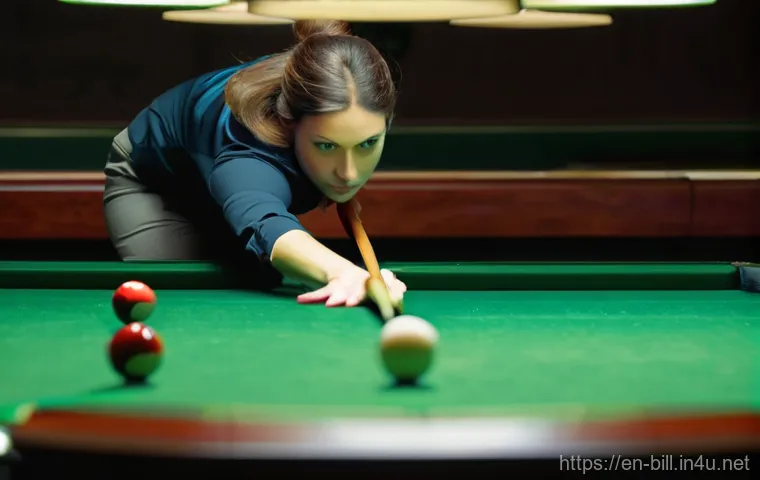
Okay, let’s talk about the tool of the trade: your cue stick. When I first started, I honestly just grabbed whatever was available at the pool hall, thinking ‘a stick is a stick, right?’ Oh, how wrong I was! While house cues are perfectly fine for a casual game, investing in your own cue can seriously level up your play and, more importantly, your enjoyment. It’s like having your own perfectly fitted running shoes versus borrowing a pair that’s too big or too small. The feel, the balance, the connection to the ball – it all changes when you have a cue that truly feels like an extension of yourself. When you’re out there looking, think about the weight. Most cues range from 18 to 21 ounces, and what feels right is incredibly personal. I tend to prefer something around 19 ounces; it gives me a good balance of power and control. Don’t be afraid to try a few different weights at your local pro shop or even a well-stocked pool hall if they allow it. Seriously, take a few practice strokes with different cues, feel the weight distribution, and see how it swings. You’re looking for that ‘just right’ feeling, something that makes you feel confident before you even break. This isn’t just about spending money; it’s about investing in your game and making every session more comfortable and effective. Trust me, the right cue makes a world of difference to your consistency and confidence on the table.
Customizing Your Cue Experience
Beyond just the weight, there are a few other things about cues that really matter. First up, the tip. This tiny piece of leather at the end of your cue is where all the magic happens. Tips come in different hardnesses, from soft to hard, and each has its own characteristics. Softer tips offer more ‘English’ or spin control but wear down faster, while harder tips are durable and give a more direct hit. For beginners, a medium-hard tip is a great all-rounder to start with, giving you a good feel for spin without requiring constant maintenance. I remember when I first started experimenting with different tips; it was a game-changer for understanding how to manipulate the cue ball. Another thing to consider is the shaft taper. Some shafts have a ‘pro taper,’ which means they maintain the same diameter for a longer section, offering a smoother stroke. Others have a ‘conical taper.’ Again, it comes down to personal preference and what feels natural to you. Then there’s the joint – the connection between the butt and the shaft. Different types of joints can affect the cue’s ‘feel’ and how it transfers energy to the ball. Don’t get overwhelmed, though! The best way to figure out what you like is to try different cues. Talk to experienced players or a pro shop attendant. They’ve seen it all and can offer insights you won’t find just by reading reviews online. My advice? Don’t rush the decision; your cue is going to be your best friend on the felt!
Mastering the Basics: Stance, Grip, and Stroke
Building a Solid Foundation: Your Stance
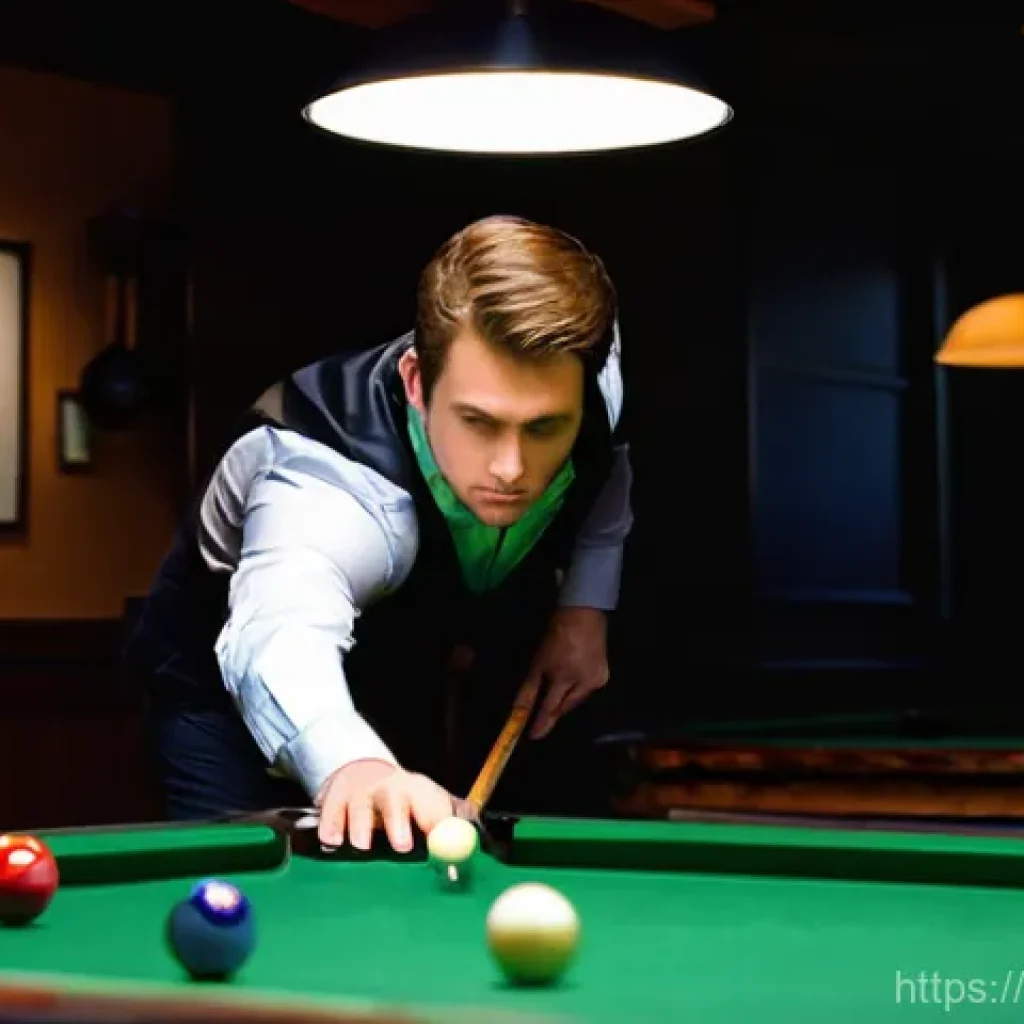
Getting your body into the right position is absolutely crucial, and it’s one of those things I wish I’d focused on more when I was first starting out. A solid stance provides stability and allows for a consistent stroke. Imagine trying to throw a dart accurately while wobbly – impossible, right? Billiards is similar. The most common stance involves placing your dominant foot forward, pointing slightly towards the shot, with your non-dominant foot back, parallel to the shot line. Your body should be slightly angled, almost like you’re shaking hands with the cue ball. I always try to align my shooting arm directly under my shoulder, creating a nice, straight line to the cue ball. Bending at the waist and keeping your head low and directly over the cue stick gives you the best perspective for aiming. When I’m feeling off my game, the first thing I check is my stance. Is my weight evenly distributed? Am I comfortable and balanced? Sometimes just a small adjustment can make a massive difference. Don’t be afraid to experiment a little to find what feels most natural and stable for *your* body. What works for a professional player might need slight tweaks for you, and that’s totally fine. The goal is consistency and comfort, because that’s where accurate shooting really begins.
The Art of the Grip: Holding Your Power
Now, let’s talk about how you actually hold the cue stick – your grip. This is where many beginners, including past me, make a common mistake: gripping too tightly. I remember squeezing the cue like I was trying to choke it, thinking that more grip meant more control. In reality, it just introduces tension and makes your stroke stiff and inconsistent. Think of your grip as more of a gentle embrace. You want to hold the cue firmly enough so it doesn’t slip, but loose enough to allow for a free, pendulum-like motion of your forearm. Most players use a relaxed, open hand grip, typically with the thumb and first three fingers forming a gentle loop around the cue, and the pinky finger often relaxed or lightly touching. Your grip hand should be relatively still during the backswing and follow-through, acting as a pivot point for your forearm. I’ve found that focusing on relaxing my grip before each shot really helps me achieve a smoother stroke. It takes practice to find that sweet spot between too loose and too tight, but once you do, you’ll feel a huge improvement in your shot consistency. It’s truly amazing how a small change in grip can have such a profound impact on the outcome of a shot. Just remember, light and loose is usually the way to go.
Smooth Operator: The Stroke That Matters
The stroke – the actual forward motion of the cue stick that propels the cue ball – is the heart of every shot. A good stroke is smooth, straight, and consistent. It’s not about brute force; it’s about controlled acceleration. When I first started, I used to “jab” at the ball, trying to hit it hard. That almost always resulted in miscueing or sending the cue ball flying off course. What you want is a smooth, accelerating motion through the cue ball, followed by a controlled follow-through. Imagine your forearm swinging like a pendulum, with your elbow acting as the hinge. Your wrist should be relatively stable until the very end of the follow-through, where a natural wrist snap can add a little extra pop to the shot. The key is to keep your cue stick on a straight line towards your target throughout the entire stroke. Many players, myself included, use a pre-shot routine that involves a few gentle practice strokes to get the feel for the shot and ensure everything is aligned before the final, committed stroke. This routine helps build muscle memory and confidence. Focusing on a long, smooth follow-through is also vital; don’t stop your cue right after hitting the cue ball. Let it naturally extend forward, as if you’re trying to push the tip through the cue ball. This ensures you impart maximum energy and spin accurately. Practice this, and you’ll start seeing those balls fall into the pockets more consistently.
Understanding the Table: Balls, Pockets, and Angles
Deciphering the Diamonds: Aiming with Precision
The pool table isn’t just a big green rectangle; it’s a grid filled with helpful markers known as diamonds. These diamonds are there to assist you, especially when you start getting into banking shots or more complex positional play. When I first looked at them, I just saw decorative dots, but they’re actually precise guides for aiming and calculating angles. Each diamond on the rails is equidistant from the next, creating a system that can be used to predict where the cue ball or object ball will go after hitting a rail. For example, if you’re trying to bank a ball off a rail and into a pocket, understanding how to use the diamonds for aiming can drastically improve your success rate. There are entire systems based on these diamonds, like the ‘diamond system’ itself, that help players calculate bank shots with incredible accuracy. While you don’t need to master these complex systems overnight, simply becoming aware of the diamonds and their consistent spacing will start to open your eyes to the geometry of the game. I always encourage new players to just spend some time observing the balls, the rails, and the diamonds, trying to visualize the angles. It’s a bit like learning to read a map; once you understand the markings, the whole landscape makes more sense. Gradually, you’ll start seeing the lines and trajectories more clearly, transforming your game from guesswork to calculated precision. Here’s a quick reference for some common terms you’ll hear around the table:
| Term | Explanation |
|---|---|
| Cue Ball | The white ball that you hit with your cue stick. |
| Object Ball | The ball you intend to hit into a pocket. |
| Scratch | When the cue ball goes into a pocket, usually resulting in a penalty. |
| English (Spin) | Spin applied to the cue ball by hitting it off-center, affecting its path after contact. |
| Bank Shot | A shot where the object ball hits one or more rails before going into a pocket. |
| Kiss Shot | When the cue ball hits one object ball, which then hits another object ball. |
| Break Shot | The opening shot of a game, scattering the racked object balls. |
The Physics of the Felt: Spin and English
This is where billiards truly becomes an art form, and honestly, it’s one of the most satisfying things to learn. Spin, often called ‘English’ (though some call it ‘side,’ ‘top,’ or ‘bottom’ spin), is what gives you incredible control over the cue ball’s path after it hits an object ball or a rail. When I first tried to apply English, it felt like pure guesswork. I’d hit the cue ball off-center, and sometimes it would do what I wanted, sometimes it would do something completely unexpected, and sometimes I’d just miscue altogether! The trick is understanding *where* to hit the cue ball. Hitting it high (top spin) makes it roll forward after contact. Hitting it low (bottom spin or draw) makes it come back towards you. Hitting it on the left or right side (left or right English) makes it deflect off rails at different angles and also affects how it reacts to the object ball. It’s like having a magic wand for the cue ball! Mastering English takes a lot of practice and a keen eye for how the cue ball reacts. Start simple: try hitting the cue ball with a little top spin and watch it roll forward after hitting an object ball. Then try some bottom spin and see it come back. Experiment with side spin to see how it “throws” the object ball slightly or makes the cue ball bounce off a rail differently. Once you start to get a feel for how spin affects the balls, you’ll unlock a whole new dimension of strategy and shot-making. It’s truly a rewarding challenge, and watching a perfectly executed draw shot is one of the coolest things in billiards, if you ask me!
Beyond the Break: Essential Shots and Strategies
The Go-To Shots Every Beginner Needs
Once you’ve got your stance, grip, and stroke feeling good, it’s time to start thinking about the actual shots you’ll be taking. Beyond just hitting the ball, there are a few fundamental shots that every beginner needs in their arsenal. First up is the ‘stop shot.’ This is when the cue ball hits the object ball head-on and then stops dead in its tracks. It’s incredibly useful for positional play, leaving the cue ball exactly where you want it for your next shot. To execute it, you typically hit the cue ball slightly below center with a good, firm stroke. Then there’s the ‘follow shot,’ where the cue ball continues to roll forward after hitting the object ball. This is achieved by hitting the cue ball with top spin. It’s perfect for getting the cue ball into a good position for your next shot, especially if you need to move it up the table. Conversely, the ‘draw shot’ makes the cue ball come backward after hitting the object ball. This requires hitting the cue ball with bottom spin and is a more advanced technique but extremely powerful for controlling the cue ball. I remember the pure joy the first time I executed a clean draw shot! Don’t forget cut shots either – those angled shots where you hit the object ball off-center to send it into a pocket. Practice these basic shots until they feel natural. They are the building blocks for more complex maneuvers and will quickly boost your confidence on the table.
Thinking Ahead: Simple Positional Play
Billiards isn’t just about sinking a single ball; it’s a game of chess on felt. The truly great players aren’t just thinking about the current shot, but also the *next* shot, and even the one after that. This is called positional play, and even as a beginner, you can start incorporating simple strategies into your game. My early games were just about desperately trying to sink any ball I could see. Then I realized that if I could position the cue ball strategically, my chances of running out the table increased dramatically. A great starting point is to think about where you want the cue ball to end up after you pocket an object ball. For example, if you’re shooting an easy object ball into a corner pocket, can you also use that shot to move the cue ball towards another easy-to-pocket ball? This often involves using a little bit of top spin for follow-through or a touch of side spin to make the cue ball come off a rail in a predictable way. Don’t try to get too fancy too soon; start with simple objectives. Can you leave the cue ball in the middle of the table? Can you bring it closer to a cluster of your remaining balls? As you get more comfortable with your basic shots and controlling the cue ball, these positional ideas will become second nature. It’s a fantastic feeling when a plan comes together and you execute two or three shots perfectly, all thanks to some smart positional play!
The Unwritten Rules: Etiquette in the Pool Hall

Respecting the Game and Your Fellow Players
Stepping into a pool hall is more than just playing a game; it’s entering a community with its own unspoken rules and courtesies. Learning these unwritten rules, or etiquette, is just as important as learning how to shoot. When I first started hanging out at my local hall, I quickly realized there’s a certain flow and respect that everyone appreciates. For instance, never, *ever* stand directly in a player’s line of sight or behind them when they are about to shoot. It’s incredibly distracting and considered very rude. Always give them ample space and stay quiet. Another big one: don’t touch someone else’s cue stick without permission. A player’s cue is often a cherished possession, and you wouldn’t just grab someone’s guitar or golf clubs without asking, right? Similarly, be mindful of your own chalk; don’t leave chalk dust all over the felt or on the rails. Just a quick wipe with your hand is usually enough to tidy up. Being a good sport, whether you win or lose, also goes a long way. A simple ‘good shot’ or ‘nice game’ after a match can make you a lot of friends. These small acts of consideration not only make the game more enjoyable for everyone but also show that you respect the game and its culture. It’s about building a positive atmosphere where everyone feels comfortable and respected, which is something I deeply value in any social setting.
Making Friends, Not Enemies: Socializing at the Table
Beyond the serious competitive aspects, pool halls are fantastic places to socialize and meet new people who share your passion. When I first started frequenting pool halls, I was a little intimidated, but I quickly found that most regulars are incredibly friendly and willing to offer advice – if you ask politely! Don’t be afraid to strike up a conversation between games, but always wait until a game is over. Asking a seasoned player for a tip on a specific shot or for advice on your grip can lead to some great insights and even new friendships. I’ve learned so much just by observing others and asking simple questions like, “How did you manage that spin?” or “Any tips for getting out of this snooker?” Just remember to keep conversations light and avoid offering unsolicited advice to other players unless they explicitly ask for it. Everyone has their own style, and what works for you might not work for someone else. Be a good listener, be patient, and be genuine. I’ve made some fantastic friends over the years just by hanging out at the pool hall, sharing a laugh, and learning from each other. The communal aspect of billiards is truly one of its greatest joys, and stepping into that friendly atmosphere can enrich your experience far beyond just improving your game. It’s about being part of something bigger, a shared love for the game that brings all sorts of people together.
Practice Makes Perfect: Drills to Sharpen Your Skills
Drills to Build Your Foundation
Alright, so you’ve got the basics down, you know your cue, and you’re aware of the etiquette. Now, how do you actually get *better*? The answer, like in any skill, is practice, practice, practice! But not just mindlessly hitting balls around. Focused drills are key. When I first committed to improving, I spent countless hours just running simple drills, and the results were amazing. One of the best for beginners is the ‘straight-in’ shot. Place the cue ball a foot or two from an object ball, directly in line with a pocket. Your goal is to sink the object ball consistently without any spin. This drill focuses purely on a straight stroke and accurate aiming. Once you’re consistently sinking those, try the ‘stop shot’ drill. Place the cue ball a few feet from an object ball, in line with a pocket, and try to stop the cue ball dead after contact. This teaches you control over the cue ball. Another great one is the ‘follow through’ drill: place the cue ball and an object ball about a foot apart, aim for a pocket, and try to make the cue ball follow the object ball into the pocket. These might seem simple, but mastering them builds the muscle memory and confidence you need for more complex shots. Don’t get discouraged if you miss a lot at first; everyone does! The key is to analyze why you missed and adjust for the next shot. Consistency is built brick by brick, one focused drill at a time.
Stepping Up Your Game with Advanced Practice
Once you’ve nailed those foundational drills, it’s time to spice things up and challenge yourself a bit more. This is where the game really opens up and becomes even more exciting. One of my favorite drills for improving positional play is the ‘three-ball drill.’ Place three object balls in a line, say, along the center of the table, and try to pocket them sequentially, controlling the cue ball after each shot to get a good angle on the next. This forces you to think about spin and cue ball control. Another fantastic drill is practicing bank shots. Pick a pocket, place an object ball near the opposite rail, and try to bank it in using the diamonds as your guide. This really hones your understanding of angles and how the ball reacts off the cushions. Don’t forget safety play either; sometimes, the best shot isn’t to pocket a ball but to leave your opponent in a difficult position. Practice deliberately placing the cue ball where it’s hard for your imaginary opponent to make a shot. I often set up scenarios from games where I struggled and replay them until I find a solution. The beauty of billiards is that there’s always something new to learn and improve upon. Don’t be afraid to push your limits, experiment with different shots, and even watch some professional players to pick up new ideas. The more you put into your practice, the more rewarding your games will become, and you’ll find yourself making shots you once thought were impossible!
Joining the Community: Leagues, Tournaments, and Fun
The Thrill of Competition: Local Leagues
Once you’ve built up some confidence and feel comfortable with your game, one of the absolute best ways to improve and truly enjoy billiards is to join a local league. I remember being super nervous before my first league night, wondering if I was “good enough.” But honestly, leagues are for players of all skill levels, from absolute beginners to seasoned veterans. They’re usually handicapped, meaning players are given a rating, and weaker players get an advantage to even the playing field. This makes it a fantastic environment for learning and friendly competition. It’s not just about winning; it’s about consistently playing under a bit of pressure, which inevitably makes you a better player. You’ll get to play against a variety of opponents with different styles, forcing you to adapt and think on your feet. Plus, it’s a great way to commit to regular practice and meet a whole bunch of awesome people who share your love for the game. I’ve made some of my closest friends through league play, and the camaraderie is truly something special. The excitement of a close match, the shared laughs, and the collective groans over a missed shot – it’s an experience that really brings you into the heart of the billiards community. Don’t hesitate; find a local league, sign up, and prepare to have a blast while your game skyrockets!
Taking Your Game to the Next Level: Amateur Tournaments
If you’re really looking to test your mettle and experience a higher level of competitive play, then local amateur tournaments are the next logical step. These are a bit different from league play, often single or double elimination, putting more pressure on each individual match. When I played in my first tournament, my hands were shaking so much I thought I’d drop the cue! But that intensity, that feeling of everything riding on a single shot, is incredibly exhilarating. It forces you to focus in a way that casual games simply don’t. You’ll encounter players who are incredibly skilled, and even if you don’t win, the experience of watching them play and learning from your own performance under pressure is invaluable. Many pool halls host regular amateur tournaments, often with different formats like 8-ball, 9-ball, or straight pool. Some even have different divisions based on skill level, so you won’t be immediately thrown in against the pros. The entry fees are usually pretty reasonable, and sometimes there’s even prize money, which is a nice bonus! More importantly, it’s a chance to push your boundaries, gauge your improvement, and gain a deeper understanding of strategic play. Even if you don’t win the whole thing, the experience alone makes it worthwhile, and you’ll walk away with a stronger game and probably some great stories to tell.
Connecting with Other Enthusiasts
Beyond structured leagues and tournaments, there’s a vibrant online and local community for billiards enthusiasts. I’ve found some amazing resources and connected with fellow players through social media groups, forums, and even local billiards clubs. These platforms are fantastic for asking questions, sharing tips, finding practice partners, or just geeking out over the latest professional matches. You can often find local meet-ups or casual game nights that are less competitive than leagues but still offer a great way to socialize and improve. Following professional players or billiards coaches on YouTube or Instagram can also provide a ton of inspiration and practical advice. There are so many experienced players out there who love sharing their knowledge, and you can learn an incredible amount just by observing and engaging. Don’t be shy about reaching out; the billiards community is generally very welcoming. Whether you’re looking for someone to hit balls with, advice on a tricky shot, or just want to chat about the game, there’s a whole world of like-minded individuals waiting to connect. Embracing this community aspect has not only made me a better player but has also brought so much joy and connection into my life. It’s truly a sport that brings people together, and you’ll find that the friendships you forge around the pool table are just as rewarding as the shots you sink.
Wrapping Up Our Session
And there you have it, folks! What a journey we’ve been on, diving deep into the wonderful world of billiards. From picking out your very first cue to mastering those crucial foundational shots, and even understanding the social nuances of the pool hall, I truly hope this guide sparks your passion for the game. Remember, billiards is more than just hitting balls around; it’s a beautiful blend of physics, strategy, and pure enjoyment. Keep practicing, keep learning, and most importantly, keep having a blast!
Useful Information to Know
1. Cue Maintenance is Key: Just like any prized possession, your cue stick needs a little love! Regularly clean your shaft with a specialized cue cleaner to prevent grime buildup, and always store your cue in a case to protect it from temperature changes and impacts. A well-maintained cue performs better and lasts longer, seriously saving you money in the long run.
2. Find a Great Local Pool Hall: Not all pool halls are created equal. Look for a spot with well-maintained tables, good lighting, and a friendly atmosphere. A place that hosts leagues and tournaments is often a sign of a vibrant community. Don’t be afraid to visit a few before settling on your favorite; it’s where you’ll spend a lot of your game time!
3. Consider Taking a Lesson: While self-practice is invaluable, a few lessons with a certified instructor can fast-track your progress significantly. They can spot bad habits you might not even realize you have and provide personalized feedback that online tutorials just can’t. It’s an investment that pays dividends in improved skill and enjoyment.
4. Explore Different Types of Games: Beyond 8-ball and 9-ball, there are so many other billiards games like 14.1 Continuous (Straight Pool), One Pocket, and Bank Pool. Each offers a unique challenge and can help develop different aspects of your game, keeping things fresh and exciting. Who knows, you might find a new favorite!
5. Online Resources are Your Friend: The internet is a treasure trove of billiards knowledge! YouTube channels from pro players, online forums, and instructional websites offer a wealth of drills, tips, and strategic insights. It’s a fantastic way to learn new techniques or troubleshoot problems from the comfort of your home, supplementing your time on the felt.
Key Takeaways
Embarking on your billiards journey is all about patience, practice, and passion. Start with the right equipment that feels like an extension of yourself, meticulously build your foundation with proper stance, grip, and a smooth stroke, and continuously refine your understanding of the table’s physics, including spin and angles. Remember to always respect the game’s etiquette and immerse yourself in the vibrant billiards community. Each shot is a learning opportunity, and every game is a chance to grow, both as a player and as a person. Enjoy the ride!
Frequently Asked Questions (FAQ) 📖
Q: What’s the absolute first thing I should focus on when I’m just starting out?
A: This is such a great question because it’s easy to get overwhelmed, right? When I first started, I spent way too much time trying to hit power shots and ended up missing most of them!
Honestly, the very first thing you should master is your stance and grip. Think of it like building a house – you need a solid foundation. A stable stance gives you balance and control, and a consistent grip ensures a smooth stroke.
I personally found that practicing my bridge hand (the one supporting the cue) until it felt natural made a world of difference. Don’t worry about spin or complicated shots yet; just focus on hitting the cue ball consistently straight with a comfortable, repeatable motion.
Trust me, it feels amazing when you finally get that smooth, straight shot down! It builds confidence and sets you up for everything else.
Q: With so many different billiards games out there, which one is best for a complete beginner?
A: Oh, I totally get this! It’s like walking into a massive candy store and not knowing where to start. You’ve got 8-ball, 9-ball, Straight Pool, Snooker… it can be a lot.
From my experience, if you’re just dipping your toes in, 8-Ball is hands-down the best place to begin. Why 8-Ball? Well, the rules are fairly straightforward to grasp, and it gives you a clear objective (pocket your solids or stripes, then the 8-ball).
It teaches you fundamental shot selection, positional play (thinking about where the cue ball goes after your shot), and basic defensive strategies. Plus, it’s incredibly popular, so you’ll always find someone to play with at pretty much any pool hall, which makes it super social and fun.
I remember my first few games of 8-ball were a comedy of errors, but the simple goals helped me learn quickly!
Q: How can I quickly improve my game without feeling intimidated by more experienced players?
A: This is a totally valid concern, and one I wrestled with quite a bit when I was learning! It’s easy to feel a little out of place when you see pros making incredible shots.
My biggest tip for this is to embrace practice over competition, especially at first. Find a quieter time at your local pool hall or, if you’re lucky enough to have a table at home, dedicate some solo practice sessions.
Focus on drills – like repeatedly potting a single ball into different pockets, or working on cue ball control. I found some fantastic beginner drills online that truly helped me build muscle memory.
Another game-changer for me was watching tutorials from pros online; you can pick up so many little nuances just by observing. And honestly, most experienced players are genuinely happy to offer a tip or two if you politely ask – I’ve made some great friends that way!
Remember, everyone starts somewhere, and the joy is in the journey of improvement.