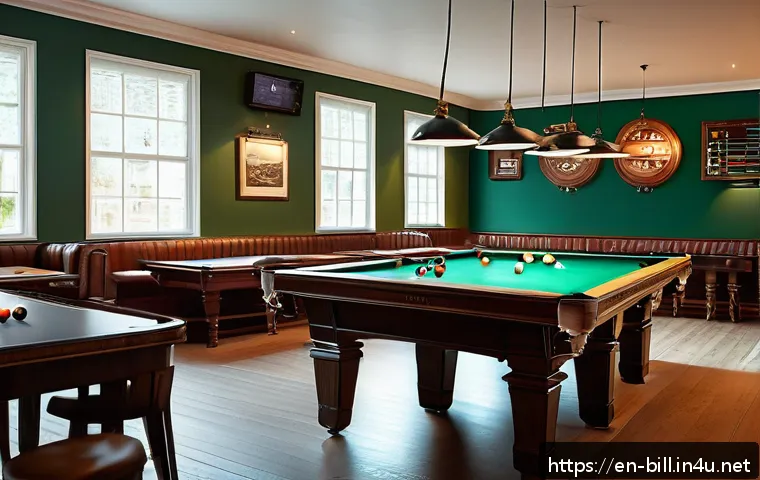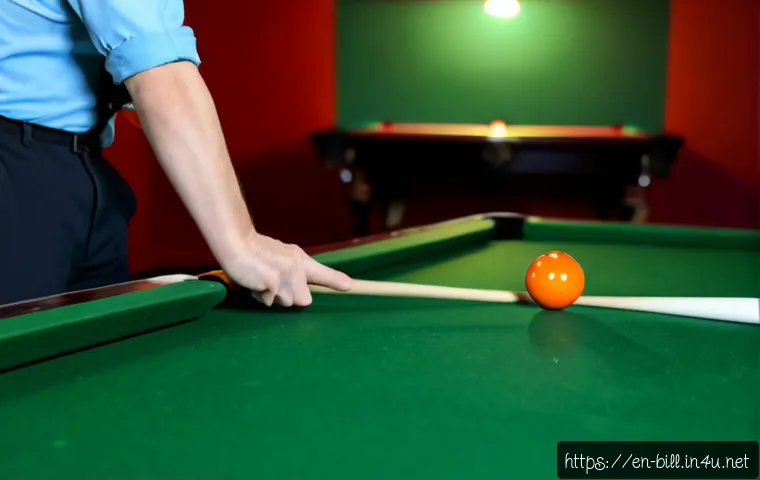
The most important skill in billiards is cue-ball control: striking the cue ball accurately so it finishes in position for the next shot. Learn the core drills, common mistakes, and when coaching or equipment upgrades can help.
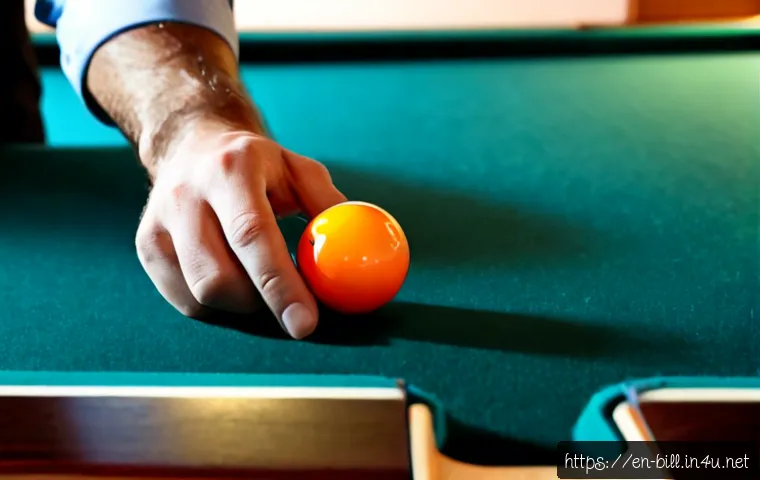
The most important billiards skill is cue-ball control: hitting the cue ball accurately so it finishes in a useful place for your next shot. Pocketing balls matters, but controlling position is what makes simple runouts and safer decisions possible. Start with center-ball contact and speed control before relying on draw, follow, or sidespin. If progress feels random, structured billiards lessons, regular table time, or a cue that feels consistent in your hands can be practical options to compare. The right choice depends on your goals, budget, local access, and the game you play.
At a Glance
- Cue-ball control helps you make the next shot easier instead of treating every shot as a difficult recovery.
- Center-ball hits and controlled speed are usually more predictable than unnecessary spin.
- A stable stance, repeatable bridge, and straight cue delivery support better position play.
| Practice Option | Best For | What to Look For |
|---|---|---|
| Solo drills | Building repeatable contact and speed control | Enough uninterrupted table time and a simple practice plan |
| Group lessons | Learning fundamentals with other recreational players | Clear instruction, table access, and time for individual feedback |
| Private coaching | Fixing a specific stroke or position-play problem | An instructor who watches your setup, delivery, and shot choices |
| Home-table practice | Frequent short sessions and routine-building | Available space, table condition, and realistic maintenance needs |
Why Cue-Ball Control Is the Foundation of Better Billiards
The Quick Answer: Make the Next Shot Easier, Not Just the Current Shot
A successful shot in cue sports is not only about pocketing the object ball. It is also about leaving the cue ball where the next shot is manageable. That is why position play often has more impact on consistency than attempting difficult shots repeatedly.
When the cue ball stops in a useful area, you can use a comfortable stance, a natural aiming line, and a simpler stroke. When it rolls to the wrong side of the table, even an easy pot can become a low-percentage recovery attempt. The goal is not perfection on every shot. The goal is to avoid making the next shot harder than necessary.
How Position Play Improves Consistency and Decision-Making
Good cue-ball control gives you more choices. You can select a simpler route, play at a more comfortable speed, or avoid forcing the cue ball across several rails. It also helps you think ahead: where should the cue ball finish, and what shot will that leave afterward?
Before shooting, consider the current ball, the next ball, and the likely cue-ball path. A basic plan is usually more useful than a complicated route with heavy sidespin. Simple routes are easier to repeat, especially on tables that play differently from the one you practiced on.
The Difference Between Pocketing Skill and Run-Building Skill
Shot-making gets the object ball into the pocket. Run-building skill connects one successful shot to the next. A player may make a difficult cut shot but still lose control of the cue ball. Another player may choose a slightly easier shot angle because it naturally sends the cue ball toward the next position.
That difference is why cue-ball control should be an early priority for recreational players. It supports safer decisions without requiring advanced trick shots or constant use of English.
Compare the Four Core Cue-Ball Actions Before Adding More Spin
Center-Ball, Follow, Draw, and Sidespin: Purpose, Difficulty, and Risk
| Action | Main Purpose | Relative Risk | Best Starting Use |
|---|---|---|---|
| Center-ball | Predictable cue-ball path | Lower | Most routine position shots |
| Topspin / follow | Send the cue ball forward after contact | Moderate | Moving naturally down-table |
| Backspin / draw | Bring the cue ball back after contact | Moderate to higher | Creating a better angle when forward travel is not useful |
| Sidespin | Change rail response and cue-ball route | Higher | Only when a simpler path is unavailable |
Center-ball contact generally produces a more predictable path than intentional spin. Follow, draw, and sidespin can all be valuable, but they require controlled cue delivery. If your stroke changes when you try to add spin, the intended cue-ball route may not happen.
When the Simplest Cue-Ball Route Is the Best Choice
Use the least complicated cue-ball action that creates a useful next shot. A natural rolling path may do the job without draw. A modest follow shot may be safer than forcing sidespin off a rail. This is especially important when you do not know the table well.
Cloth condition, table speed, rail response, and ball cleanliness can all affect cue-ball behavior. On an unfamiliar table, begin with simpler routes and observe how the cue ball reacts before attempting delicate multi-rail position shots.
Practice Options Compared: Solo Drills, League Play, Group Lessons, and Private Instruction
Solo drills are useful for repeating the same contact point and speed without match pressure. League play can reveal whether your decision-making holds up when a score matters. Group billiards lessons may offer a lower-pressure way to learn core mechanics, while private instruction can be useful when you want feedback on a specific issue.
If you often know what went wrong but cannot identify why, an instructor may help you spot a stance, bridge, or delivery problem faster than random practice. If your main issue is simply not spending enough time at the table, regular table rental or a practical home setup may be the better investment.
Build Reliable Cue-Ball Control Step by Step
Set Up a Stable Stance and Bridge
A stable stance helps your cue travel on the intended line. Set your body so you can stay still through the stroke. Your bridge hand should feel repeatable rather than rushed or strained. The aim is to create a platform that lets the cue move smoothly through the cue ball.
Deliver the Cue Straight Through the Cue Ball
Focus on a straight follow-through. Do not jab at the ball or steer the cue at the last moment. A controlled delivery makes it easier to strike the intended point on the cue ball, whether you are playing center-ball, follow, or draw.
Use Speed Control Before Trying Advanced English
Many position errors are speed errors. A cue ball that travels too far can remove an easy angle; one that dies short can leave an awkward cut. Practice sending the cue ball short, medium, and long distances with center-ball contact before making sidespin a regular part of your game.
A Repeatable 20-Minute Position-Play Practice Routine
Spend the first part of the session pocketing simple shots with center-ball contact and watching where the cue ball finishes. Then repeat similar shots using small changes in speed. Next, practice one controlled follow or draw route only when the route has a clear purpose. Finish by setting up two-ball patterns and planning the cue ball for the second shot before you shoot the first.
The point is not to collect difficult shots. It is to connect pocketing, cue-ball speed, and the next available position into one repeatable routine.
Common Position-Play Mistakes and How to Avoid Them
Overusing Sidespin When a Natural Angle Works

Sidespin can change the cue ball’s path, especially after rail contact, but it also adds another variable. If a natural angle or a small speed adjustment works, choose that first. Save sidespin for situations where it genuinely improves the route.
Hitting Too Hard and Losing the Cue Ball
Players often add power when they feel uncertain. That can send the cue ball past the intended area and make the next shot difficult. Try to identify the minimum speed needed for the position. A calmer stroke can provide more useful feedback than a hard hit.
Ignoring the Next Two Shots
Planning only one ball ahead can lead to a good immediate position and a poor follow-up. Before shooting, take a moment to see the current shot, the next target, and the likely area for the ball after that. You do not need a perfect three-ball plan; you need awareness of the route you are creating.
Adjusting for Table Speed, Rails, and Cloth Conditions
Do not assume every table plays the same. Table speed, cloth condition, rail response, and clean or dirty balls can change the result of a familiar shot. During warm-up, test a few simple rolling shots and rail routes. Use what you observe to make more conservative position choices.
Match Your Practice Plan to Your Playing Situation
Beginners: Prioritize Center-Ball Contact and Speed Control
Beginners benefit most from a stable setup, a repeatable bridge, and straight cue delivery. Keep cue-ball routes short and simple. Learning to stop the cue ball in a general target area is more useful than trying to produce dramatic spin immediately.
Intermediate Players: Add Route Planning and Controlled Draw
Intermediate players can begin choosing between natural roll, follow, and controlled draw based on the next shot. Work on recognizing when one rail is enough instead of attempting a more complicated path. Controlled draw is useful, but it should support a clear position plan.
Competitive Players: Track Patterns, Misses, and Position Errors
Competitive players may benefit from tracking whether a miss came from aiming, speed, unwanted spin, or poor route selection. This can make practice more focused. Rather than repeating every shot equally, spend more time on the position errors that appear most often in matches.
Choosing Lessons, Practice Time, and Equipment: A Decision Summary
Choose based on the problem you are actually trying to solve. If your stance and cue delivery feel inconsistent, private billiards coaching may offer targeted feedback. If your mechanics are workable but you rarely practice, compare local pool hall table time, league access, or a home-table option that encourages frequent short sessions.
Before buying a pool cue or training aid, compare comfort, balance, cue feel, build consistency, and suitability for your game. A new cue does not replace practice, but equipment that feels predictable can make a repeatable stroke easier to maintain. Check official details, local lesson formats, table-time conditions, and retailer specifications on the relevant provider pages before choosing.
Final Thoughts
Cue-ball control is the most useful priority for many players because it links one successful shot to the next. Build it with stable fundamentals, center-ball contact, and deliberate speed control. Add draw, follow, and sidespin when they solve a real position problem. The simpler your route, the easier it is to repeat under pressure.
Useful Information
Center-ball first: It is generally the most predictable starting point for cue-ball paths.
Speed matters: A small change in pace can change the next-shot angle.
Table conditions matter: Observe cloth, rails, and ball behavior before relying on fine position routes.
Practice with intent: Decide where the cue ball should finish before each shot.
Important Notes
There is no single universally accepted “most important” skill for every billiards discipline, table size, or playing level. The best lesson format, cue, practice schedule, and local table option depend on your goals, budget, game, and availability. Confirm current lesson pricing, table-rental terms, and equipment specifications directly with local providers or retailers.
Frequently Asked Questions
Q1. What is the most important skill to learn first in billiards?
A1. For many players, start with cue-ball control: stable setup, center-ball contact, straight cue delivery, and speed control. These skills help you leave easier shots after pocketing the current ball.
Q2. Is it worth paying for billiards lessons to improve cue-ball control?
A2. Lessons may be worthwhile if you need direct feedback on your stance, bridge, stroke, or position decisions. Compare instructor experience, lesson format, table access, and the type of feedback offered before booking.
Q3. Do I need an expensive pool cue before practicing draw and sidespin?
A3. No specific price level guarantees better draw or sidespin. Controlled cue delivery and accurate contact are still essential. Look for a cue that feels comfortable and consistent for your playing needs, then verify product details before purchasing.