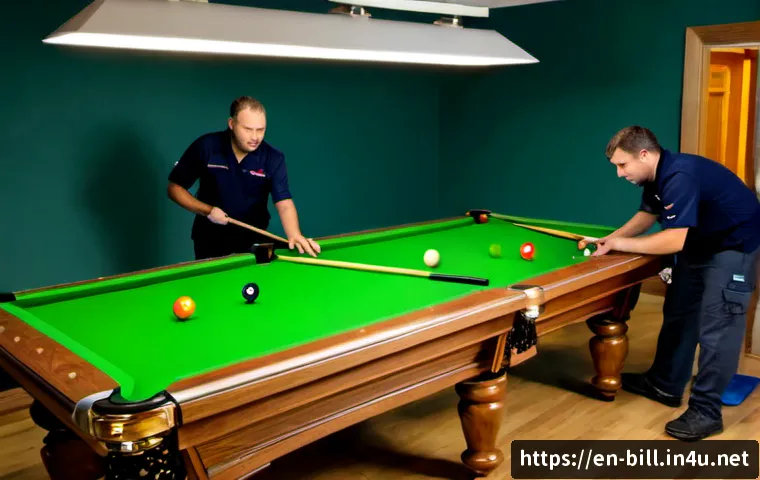
Billiards tournament rules are not universal, so every player and organizer should confirm the event notice before the first match. The game discipline, match format, foul procedures, and tie-break rules can all change how the event is played and decided.

For players, the safest preparation is to check in on time, bring permitted equipment, and understand the published conduct and dress expectations. For organizers, a clear format, visible rule summary, and defined official can prevent many avoidable disputes.
Choosing tournament-ready tables, referee coverage, event software, or a suitable venue package can also make the event easier to manage. The right setup depends on the available tables, expected participation, schedule, and desired level of competitive fairness.
At a Glance
- Confirm the event notice first: discipline, format, scoring, foul procedures, and tie-break rules may vary.
- Choose the format to fit the venue: table availability, staffing, and event duration affect whether elimination or group play works best.
- Prevent simple penalties: arrive by check-in time and verify equipment, attire, and conduct requirements before playing.
| Tournament Format | Time Demand | Table Demand | Staffing Need | Best Use |
|---|---|---|---|---|
| Single Elimination | Usually lower | Often suitable for limited availability | Moderate | Short events and compact schedules |
| Double Elimination | Usually higher | More table time may be needed | Moderate to higher | Events that give players a second chance |
| Round Robin | High | Can require sustained table access | Higher record-keeping needs | Balanced participation within a manageable group |
| Group Stage | Depends on the follow-up stage | Can be planned in blocks | Higher scheduling needs | Events combining participation and later elimination play |
What Players and Organizers Must Confirm Before the First Match
The most important rule is simple: use the published event notice as the controlling guide. A billiards tournament may be played under pool, snooker, carom billiards, or English billiards rules, and those disciplines do not share every procedure.
Game Discipline, Rulebook, and Event-Specific Amendments
Players should confirm the game type, scoring method, race length or frame count, and any event-specific amendments. An organizer should also state whether the tournament follows a governing-body rulebook in full or uses local house rules. Do not assume that break rules, called-shot requirements, ball-in-hand procedures, or safety-play rules are the same as those used in a previous league event.
Check-In Time, Player Eligibility, Attire, and Conduct Expectations
Arriving by the published check-in time matters. Late-arrival penalties depend on the stated rules, so players should not rely on an informal understanding with another competitor. Check the dress code, eligibility requirements, and conduct policy as well. Many tournaments require regulation-approved equipment and expect players to avoid disruptive behavior, arguments, or unnecessary distractions around the table.
The Three Details That Prevent Most Pre-Match Disputes
Before play starts, confirm the match format, the foul and scoring procedure, and who makes the final ruling. These details are especially useful when players disagree about a shot, a break requirement, or a time limit. A referee or designated tournament official may be responsible for disputed calls and enforcement.
Tournament Formats Compared: Time, Fairness, and Venue Requirements
No format is automatically best. The practical choice depends on how long the venue is available, how many tournament-ready pool tables can be used, and how much scheduling work the organizer can handle.
Single Elimination for Short Events and Limited Table Availability
Single elimination is a direct structure: a loss ends a player’s run. It can suit a short event or a venue with limited table availability because the field is reduced after each round. The trade-off is clear: a player may have only one match to show their level of play.
Double Elimination for Players Who Want a Second Chance
Double elimination gives competitors another path after an early loss. This can feel more forgiving for amateur pool events, but it adds bracket management and can require more table time. Organizers should publish how the brackets work and how the final stage is handled before entry fees are collected.
Round Robin and Group Stages for Balanced Participation
Round robin formats can give players more matches, while group stages can combine early balanced participation with a later elimination phase. These structures require careful score tracking and scheduling. They can be a good fit when participation value matters as much as identifying a winner.
How to Estimate Staffing, Table Time, and Event-Management Needs
Start with the format, then compare it against available tables and operating hours. More matches generally mean more scorekeeping, bracket updates, and communication. A tournament software option can help organizers display pairings and results, while referee services may be useful where disputed calls or timing rules are likely to affect the event.
Match Play Rules That Commonly Decide Results
Close matches are often decided by procedures rather than spectacular shots. Players should learn the event rules for breaks, fouls, time limits, and decisions before they are under pressure.
Break Procedures, Scoring, and Race-to Formats
The organizer should publish whether matches use a race length, frame count, or another scoring method. Break procedures can also vary. Confirm who breaks first, whether breaks alternate, and whether the event has a specific break requirement. Tie-break procedures should be announced before play begins, not introduced after standings become complicated.
Fouls, Ball-in-Hand, Safety Play, and Called-Shot Variations
A foul may lead to ball-in-hand or another consequence depending on the discipline and event rules. Called-shot expectations and safety-play procedures may also vary. If a rule is unclear, ask an official before the match whenever possible. A player should not assume that a local event uses the same interpretation as another venue.
Shot Clocks, Timeouts, Coaching Limits, and Disputed Calls
Some tournaments use shot clocks, timeouts, or limits on coaching. Others may not. The event notice should state these procedures and identify the official responsible for enforcement. Whether a shot can be reviewed, replayed, or reconsidered is also event-specific, so players should not presume that a disputed shot has a review option.
Practical Preparation: Equipment, Table Conditions, and Player Etiquette

Preparation is not only about practicing. Reliable equipment, consistent table conditions, and calm conduct make competitive play more predictable for everyone involved.
Confirming Cue, Accessory, and Clothing Requirements
Check whether your cue, extension, chalk, glove, or electronic device is permitted under the event notice. The legality of a particular accessory cannot be assumed without checking the tournament conditions. Pack only what you need, and make sure your clothing meets the published dress policy.
Why Table Condition and Ball Consistency Matter in Competitive Play
Competitive play depends on consistent playing conditions. Organizers and commercial venues should consider table maintenance, ball condition, lighting, and table readiness before scheduling matches. When comparing venue rental options, ask what table condition is included and whether servicing is available before the event begins.
Avoiding Lateness, Distractions, Arguments, and Conduct Penalties
Players can avoid many problems by arriving early, staying ready near the assigned table, and addressing questions through the proper official. Do not turn a rules question into an argument at the table. A respectful approach protects both competitors and helps the schedule continue.
Guidance by Situation: First-Time Players, League Events, and Commercial Venues
What First-Time Entrants Should Ask Before Paying an Entry Fee
Ask for the game discipline, format, race length or frame count, entry fee, refund policy, prize payout positions, check-in time, and equipment requirements. Also ask whether the event follows a recognized rulebook or uses house rules. These questions are practical, not difficult, and they reduce surprises on match day.
A Simple Operating Plan for Small League Tournaments
A small league organizer can begin with a published format, a written match procedure, visible check-in instructions, and one designated person for rule decisions. Keep the scoring method and tie-break procedure clear. If the event uses multiple tables, make table assignments and updates easy for players to find.
When Venues May Benefit from Referee Support, Table Servicing, or Tournament Software
Professional referee support may be worth considering when the event has strict time limits, a competitive field, or a high chance of disputed calls. Table servicing can be useful when consistent playing conditions are a priority. Tournament software may help when brackets, standings, and schedule changes are difficult to manage manually.
Selection Criteria and Comparison Summary
Before choosing a format, venue, or event service, compare these points:
- Format fit: Does the structure match the available time and expected participation?
- Table condition: Are the tables and balls suitable for consistent tournament play?
- Official coverage: Is there a referee or designated official for disputed calls and time limits?
- Management support: Will bracket tracking, score reporting, and schedule communication be manageable?
- Published financial terms: Are entry fees, refunds, prize money, and payout positions clearly stated?
Compare local venue packages by table condition, referee coverage, and event duration. Official details and service conditions should be checked directly on the relevant venue or provider page before booking.
In Closing
A well-run billiards tournament starts with rules that players can find and understand. Clear information about the game type, format, fouls, equipment, and decisions helps protect fairness from the first break to the final result. Players should prepare around the written notice, while organizers should avoid leaving important procedures open to interpretation. The best event setup is the one that matches the venue, schedule, and expected level of competition.
Useful Things to Know
1. A tournament format affects more than the bracket; it also affects table demand and staffing.
2. A designated official can reduce delays when a disputed call occurs.
3. Equipment and dress rules should be checked before travel and check-in.
4. Prize money, entry fees, refunds, and payout positions should be stated in advance.
5. House rules may differ from a governing-body rulebook.
Important Notes
This guide covers general tournament planning and player preparation. Exact rules, equipment specifications, entry terms, dress codes, disciplinary procedures, and review options must be confirmed in the specific tournament notice. Local events may use different rulebooks or event-specific amendments.
Frequently Asked Questions
Q1. What rules should I check before entering a billiards tournament?
A1. Check the game discipline, rulebook or house rules, race length or frame count, scoring method, foul procedures, break requirements, tie-break procedure, check-in time, dress code, equipment policy, entry fee, refund terms, and prize payout positions.
Q2. Is double elimination better than single elimination for amateur pool events?
A2. It depends on the event goal. Double elimination gives players another chance after a loss, but it can require more table time and bracket management. Single elimination can be more suitable for shorter events or venues with limited table availability.
Q3. How much should organizers budget for tables, referees, and tournament management services?
A3. There is no single amount that fits every event. The budget depends on the venue, table condition, format, event duration, referee coverage, and management needs. Compare local venue packages by table condition, referee coverage, and event duration, then confirm all service terms before committing.