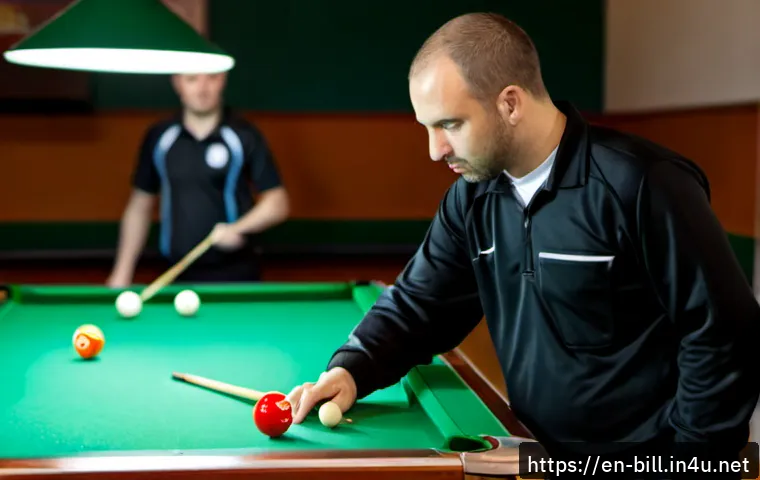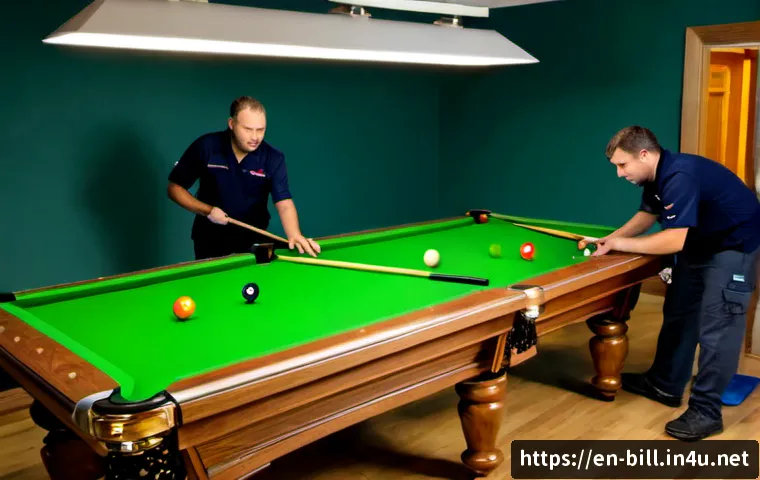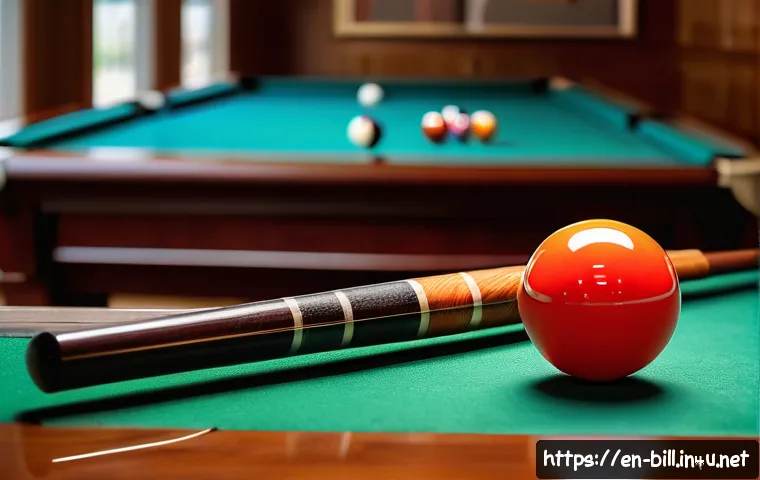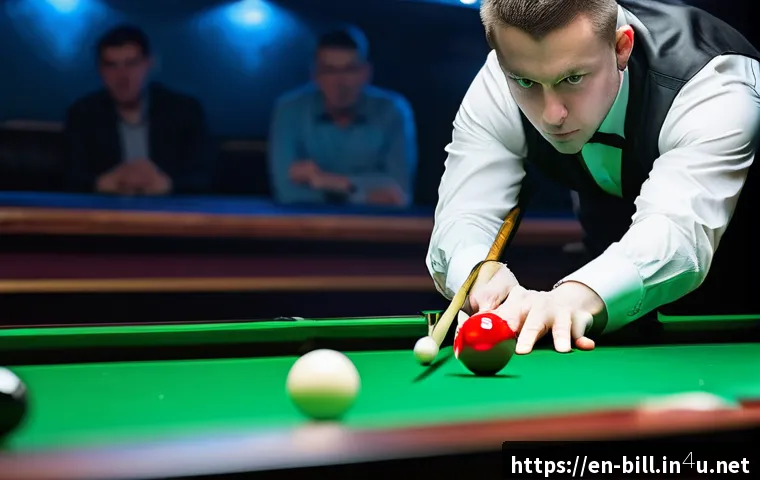
In the fast-paced world of professional billiards, every shot counts and every decision can change the course of a match. Recently, the sport has seen a surge in strategic depth, with players pushing the boundaries of precision and mental agility.
Whether you’re a seasoned fan or new to the game, understanding these intricate tactics offers a fresh perspective on what makes pro billiards truly captivating.
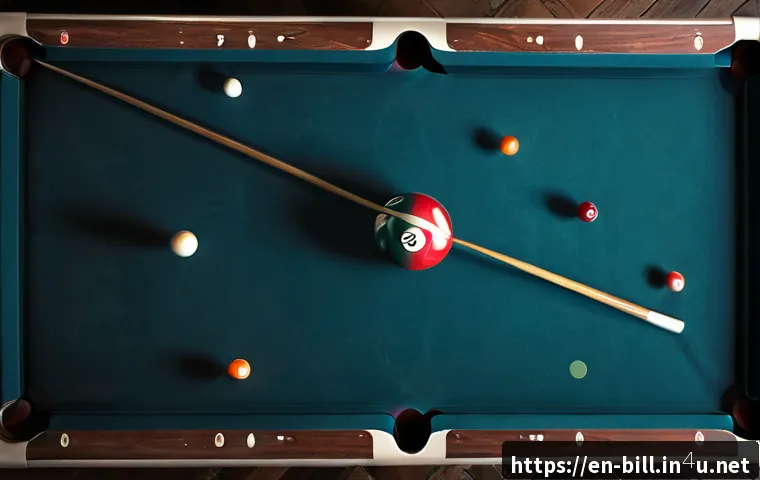
Join me as we break down key moments and winning strategies that define top-level play, revealing insights you won’t find in highlight reels alone. Stick around—this deep dive promises to sharpen your appreciation and maybe even your own game!
Mastering Cue Ball Control for Precision Play
Understanding Spin and Its Impact on Shot Outcomes
One of the most subtle yet powerful aspects of professional billiards is the mastery of spin control. When you apply spin to the cue ball—whether it’s topspin, backspin, or side spin—it dramatically influences how the ball reacts after contact.
From my experience watching top players, they don’t just hit the ball; they manipulate it like a painter with a brush, anticipating exactly where it will land and how it will move afterward.
For example, a slight amount of left spin can alter the angle off a cushion, allowing the cue ball to reposition perfectly for the next shot. This level of control requires not only steady hands but deep knowledge of physics and table conditions, which can fluctuate with humidity or cloth wear.
Positioning Strategy: Setting Up for Multiple Shots Ahead
Beyond simply potting balls, elite players think several shots ahead, almost like a chess game on the felt. Positioning the cue ball to open up multiple scoring opportunities is a skill that separates champions from casual players.
What’s fascinating is how pros adjust their power and spin to nudge the cue ball into the ideal zones, avoiding clusters or difficult angles. When I’ve observed tournaments, the players often pause for a moment after a shot, scanning the table to decide the best path forward.
This patience and foresight are key to maintaining control and dictating the match’s pace.
Common Errors in Cue Ball Control and How to Avoid Them
Even seasoned players occasionally misjudge their cue ball’s behavior, often due to overconfidence or misreading the table conditions. A frequent error is striking the cue ball too hard, which can cause it to bounce unpredictably or overshoot the intended spot.
Another mistake is underestimating the spin’s effect, leading to missed position on the next shot. From personal observation, the best way to avoid these pitfalls is to practice slow, deliberate shots focusing on the cue ball’s path rather than the object ball.
This mindset shift helps develop a more intuitive feel for the table and improves consistency over time.
Strategic Safety Plays: Turning Defense Into Offense
The Art of Snookering Opponents
Safety play in professional billiards is not just about preventing your opponent from scoring; it’s about controlling the flow of the game and forcing errors.
Snookering—positioning the cue ball so the opponent has no clear shot—is a tactical weapon that requires precision and creativity. I’ve noticed that top players use snookers not just reactively but proactively, anticipating their opponent’s moves and setting traps several shots in advance.
It’s like setting a puzzle for the other player to solve, increasing pressure and often leading to mistakes.
When to Opt for Safety Over Aggression
Knowing when to switch from an aggressive potting style to a defensive safety shot is a hallmark of experience. Many newcomers rush to pocket balls even when the risk is high, but professionals weigh the probability of success against the potential fallout.
In tight matches, a well-executed safety can be a game-changer, forcing the opponent into a tough position and shifting momentum. From my perspective, the balance between attack and defense is fluid and situational, requiring constant mental adjustment and confidence.
Executing Safe Shots Under Pressure
Pressure situations often expose weaknesses in safety play, as nerves can lead to misjudgments. Watching high-stakes matches, I’ve seen players who excel in calm moments falter when the crowd is watching or the score is tight.
The key to executing safe shots under pressure lies in routine and focus. Pros often have pre-shot rituals that help center their mind and steady their nerves.
Practicing these under simulated pressure conditions is essential for anyone looking to improve their mental toughness alongside technical skill.
Reading the Table: Visualizing Patterns and Opportunities
Assessing Ball Layout for Optimal Shot Selection
Before every shot, professional players engage in a detailed assessment of the table layout, identifying clusters, angles, and potential obstacles. This visual analysis goes beyond a quick glance—it’s a dynamic process of imagining how each ball will move and interact.
When I first started following the sport closely, I was amazed at how fast and accurately pros make these judgments. They mentally map out several scenarios, adjusting their plan as the table changes.
This skill is crucial for maintaining flow and avoiding unexpected snags.
Using Angles to Maximize Scoring Opportunities
Angles are the currency of billiards strategy. Players who master angle play can open up shots that seem impossible to casual observers. By striking the cue ball at precise contact points, they can predict and control the cue ball’s path to set up subsequent shots.
This geometric understanding often comes from hours of practice combined with an intuitive sense of spatial relationships. In real matches, I’ve seen players execute stunning angle shots that leave audiences in awe, proving that billiards is as much about mental acuity as physical skill.
Adapting Strategies Based on Table Conditions
No two billiard tables play exactly the same. Variations in cloth speed, cushion rebound, and ball wear require players to continuously adapt their strategy.
From personal experience watching multiple tournaments, the pros often spend time testing the table with a few trial shots before fully engaging. This adjustment period is crucial, as failing to adapt can mean missed shots and lost control.
The best players develop a flexible mindset, ready to tweak their approach based on subtle feedback from the table’s behavior.
Psychological Resilience: The Mental Game Behind Every Shot
Maintaining Focus Amidst Distractions
Professional billiards demands intense concentration, and the ability to block out distractions is a skill honed over years. Whether it’s a noisy crowd, an opponent’s antics, or personal fatigue, staying mentally anchored is vital.
I’ve seen players use deep breathing techniques or short visualizations between shots to reset their focus. These small rituals help maintain a calm, clear mindset, which translates into more consistent execution.
Handling Momentum Swings with Emotional Control
Matches often swing back and forth, and emotional control during these shifts can be the difference between winning and losing. Experienced players know how to avoid frustration after a missed shot and how to stay humble during streaks of success.
This balance keeps their decision-making sharp and prevents rash plays. From what I’ve observed, those who master emotional resilience tend to outlast opponents during tense, prolonged games.
Building Confidence Through Routine and Preparation
Confidence in billiards doesn’t come from luck but from preparation and practice. Professionals follow strict routines—from warm-ups to mental rehearsals—that reinforce their readiness.
This preparation builds a foundation of trust in their skills, which becomes apparent in their smooth, assured play. Observing these routines has taught me that confidence is less about ego and more about a quiet assurance born from consistent effort.
Shot Selection and Risk Management in Competitive Play
Evaluating Risk vs. Reward on Every Shot
Every shot in professional billiards carries a calculated risk, and successful players excel at balancing risk and reward. Sometimes going for a difficult pot can pay off big, but other times a conservative approach keeps the player in control.
From watching matches, it’s clear that this evaluation is a continuous mental process, influenced by score, opponent tendencies, and table layout. Players who misjudge risk either play too safe and lose opportunities or take reckless shots that cost them the frame.
Adjusting Strategy Based on Match Context
Match context heavily influences shot selection. Early in a match, a player might take more risks to build momentum, while in crucial final frames, safety and precision become paramount.
This fluidity requires adaptability and a strong grasp of game psychology. I’ve noticed that the best pros read not only the table but also the scoreboard and their opponent’s mental state, tweaking their tactics accordingly.
Learning from Mistakes and Refining Decision-Making
No player is immune to errors, but what separates champions is how they respond to mistakes. Rather than dwelling on them, they analyze what went wrong and adjust their approach.
This reflective process enhances future decision-making and resilience. From personal experience and observation, players who embrace a growth mindset tend to improve more rapidly and maintain a competitive edge.
Key Shot Types and Their Tactical Uses
Break Shots: Setting the Tone for the Frame
The break shot is crucial because it can dictate the opening dynamics of a frame. A strong, well-placed break spreads the balls effectively, creating multiple potting opportunities.
I’ve noticed that pros often vary their break shots depending on the table and opponent’s style, showing that even this “opening move” is highly strategic.
The power and precision required here are immense, as a poor break can hand control to the opponent.
Safety Shots: Creating Barriers and Forcing Errors
Safety shots are defensive moves aimed at limiting the opponent’s options. These shots often involve hiding the cue ball behind clusters or sending it to tough angles.
Watching professionals execute safety shots reveals a layered strategy, where the goal is to increase pressure and induce mistakes. The finesse required to execute these shots perfectly is often underestimated by casual players.
Combination and Carom Shots: Advanced Scoring Techniques
Combination shots (potting a ball by striking another) and carom shots (cue ball hitting multiple balls in sequence) are advanced techniques that showcase a player’s creativity and control.
These shots require precise calculation of angles and speed, often turning difficult layouts into scoring opportunities. From my observations, players who practice these shots regularly can surprise opponents and turn the tide of a frame with a single stroke.
| Shot Type | Purpose | Key Skills | Typical Use |
|---|---|---|---|
| Break Shot | Spread balls for scoring opportunities | Power control, cue ball placement | Start of frame |
| Safety Shot | Limit opponent’s options | Precision, strategic positioning | Defensive situations |
| Combination Shot | Pot balls via indirect contact | Angle calculation, control | Complex layouts |
| Carom Shot | Score by hitting multiple balls | Speed and angle mastery | Advanced scoring |
| Position Shot | Set up next shot | Spin control, cue ball path prediction | Every shot |
Conclusion
Mastering cue ball control and strategic play in billiards is a journey that blends skill, strategy, and mental toughness. Whether it’s perfecting spin, executing safety shots, or reading the table, every element contributes to elevating your game. With consistent practice and a thoughtful approach, you can transform challenges into opportunities and enjoy the deep satisfaction of precision play.
Useful Tips to Remember
1. Always focus on the cue ball’s path rather than just potting the object ball to improve shot consistency.
2. Develop a pre-shot routine to maintain focus, especially during high-pressure moments.
3. Practice a variety of shot types, including safety and combination shots, to enhance versatility.
4. Adapt your strategy based on table conditions by spending time on test shots before the match.
5. Balance aggression with defense by assessing risk versus reward for each shot you take.
Key Takeaways
Precision in cue ball control requires understanding spin and positioning, along with constant adjustment to changing table conditions. Strategic safety play isn’t merely defensive but a way to control the game’s momentum. Mental resilience, built through routine and focus, is just as critical as physical skill. Lastly, effective shot selection hinges on balancing risk with situational awareness to maintain an edge over your opponent.
Frequently Asked Questions (FAQ) 📖
Q: What are some common strategic approaches used by professional billiards players?
A: Pro billiards players often combine precision shot-making with tactical positioning. They focus not only on sinking balls but also on controlling the cue ball’s placement to set up the next shot, often thinking several moves ahead.
Safety plays, where a player deliberately leaves the opponent with a difficult shot, are also a key strategy. From my experience watching top matches, the best players balance aggressive scoring with these defensive tactics, making every shot a blend of skill and chess-like strategy.
Q: How important is mental focus during high-stakes billiards matches?
A: Mental focus is absolutely crucial. Unlike casual play, professional billiards demands intense concentration to maintain precision under pressure. I’ve noticed that players who can stay calm, manage their nerves, and stay in the moment tend to outperform others, especially in tight games.
The ability to read the table, anticipate opponent moves, and adapt strategy on the fly all hinge on a strong mental game.
Q: Can understanding professional billiards strategies help improve my own game?
A: Definitely! Learning from pro-level tactics can elevate your approach, whether you’re a beginner or intermediate player. For example, practicing cue ball control and thinking a few shots ahead can transform how you play.
I tried applying some of these strategies myself, and it made a noticeable difference in consistency and decision-making. Watching matches with a focus on strategy rather than just scoring will also deepen your appreciation and inspire better gameplay.