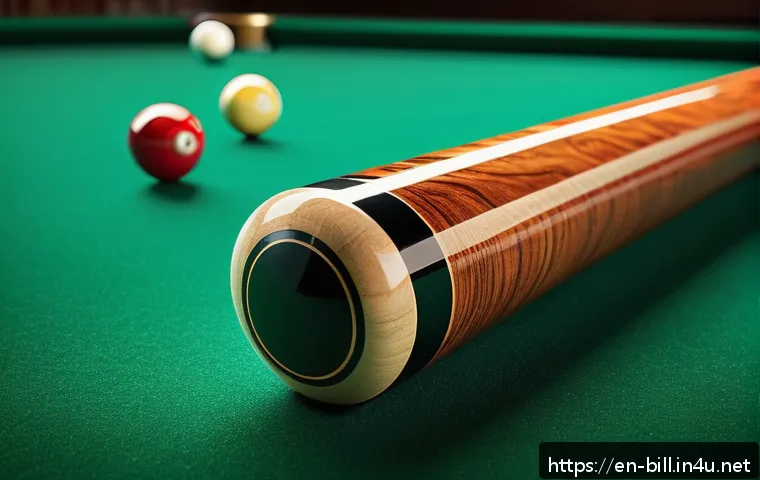
In today’s fast-paced world, finding the perfect pool cue can feel overwhelming with so many options flooding the market. Whether you’re a casual player or aiming to sharpen your competitive edge, understanding the nuances of different cue types is essential.
With the rise of personalized gear and innovative materials, choosing the right cue not only boosts your confidence but can dramatically improve your game.
Let’s dive into the fascinating world of pool cues and uncover how to select one that truly fits your style and skill level. Stick around—this guide will transform the way you approach every shot at the table.
Understanding Different Pool Cue Materials
Wooden Cues: Classic Feel with Timeless Appeal
Wooden pool cues remain the go-to choice for many players due to their natural feel and traditional aesthetic. Hardwoods like maple and ash are particularly popular because they offer excellent durability and a smooth stroke.
From my personal experience, wooden cues provide a warmth and tactile feedback that synthetic materials often lack, making shots feel more controlled and precise.
However, they do require regular maintenance to prevent warping or cracking, especially in humid environments. For casual players, wooden cues strike a great balance between performance and cost, while serious enthusiasts often appreciate the craftsmanship behind a well-made wooden cue.
Composite and Fiberglass Cues: Durability Meets Innovation
If you’re someone who frequently plays in varying conditions or travels with your cue, composite or fiberglass options are worth considering. These materials are engineered for resilience, resisting warping and damage much better than wood.
I once switched to a fiberglass cue during a summer tournament, and it held up impressively despite the heat and moisture. The downside, though, is that some players find the feel less natural, which can affect their finesse on delicate shots.
Still, if longevity and low maintenance are priorities, these cues are a smart investment.
Carbon Fiber Cues: The Future of Precision
Carbon fiber cues represent the cutting edge of pool equipment technology. These cues are incredibly lightweight yet strong, allowing for fast, accurate shots with minimal vibration.
When I first tried a carbon fiber cue, I noticed an immediate improvement in cue ball control—especially on spin shots—because the material transmits energy so efficiently.
The sleek design also makes them visually striking. On the flip side, they tend to be pricier, so they’re often favored by serious competitors or players looking for that extra edge.
If you want to combine modern tech with performance, carbon fiber is where to look.
How Cue Weight Influences Your Game
Choosing the Right Weight for Comfort and Control
Cue weight is a surprisingly personal factor in cue selection, and it can dramatically affect your playstyle. Most cues fall between 18 to 21 ounces, but the sweet spot depends on your strength and stroke speed.
I used to play with a 20-ounce cue, but shifting down to an 18-ounce cue gave me quicker, more fluid strokes, which helped with my precision on delicate shots.
Conversely, some players prefer heavier cues to add power behind their breaks. Testing different weights before committing can help you discover what feels natural and maximizes your control.
How Weight Distribution Affects Shot Consistency
Beyond the overall weight, the distribution—whether more mass is in the butt or shaft—plays a key role in balance and shot feel. A cue with more weight in the butt tends to stabilize your stroke, making it easier to keep the cue straight.
On the other hand, a forward-heavy cue can provide more momentum, useful for power shots but sometimes at the expense of finesse. From my experience, a well-balanced cue that matches your stroke style can reduce fatigue and improve shot consistency during long sessions.
Adjustable Weight Systems for Versatility
Some modern cues come with adjustable weight systems, allowing players to fine-tune the cue’s feel by adding or removing small weights in the butt. This feature is fantastic if you want to experiment or adapt your cue for different game situations.
I’ve found that switching weights depending on whether I’m breaking or playing safety shots can be a game-changer. It’s like having multiple cues in one, giving you flexibility without extra gear.
Tip Styles and Their Impact on Gameplay
Soft Tips for Spin and Control
Soft tips are favored by many players aiming to apply maximum spin and control on the cue ball. These tips compress more upon impact, allowing the cue ball to “grab” the tip and respond to English (side spin) better.
When I switched to a soft tip, I noticed my ability to execute curve shots and follow-through improved significantly. The trade-off is that soft tips wear out faster and require frequent replacement, but for players focusing on finesse, they’re worth the upkeep.
Hard Tips for Power and Durability
Hard tips offer a firmer strike and greater durability, making them ideal for break shots and players who prefer a more solid hit. I’ve used hard tips during intense matches where I needed consistent power without worrying about tip wear.
The downside is that they don’t grip the cue ball as well for spin, so they’re less forgiving on delicate shots. If your game revolves around strong, straightforward strokes, a hard tip can support that style effectively.
Layered Tips: The Best of Both Worlds
Layered tips combine multiple layers of leather to balance softness and durability. These tips provide a consistent hit while still allowing for decent spin control.
In my experience, layered tips require less maintenance than soft tips but still enhance shot precision more than hard tips. They’re a solid all-around choice for players who want versatility without constantly switching tips.
Exploring Shaft Design and Its Role in Accuracy
Standard Shafts: Reliable and Widely Available
Standard shafts, typically made from maple, offer a good mix of stiffness and flexibility. They’re the most common shafts you’ll find and suit a broad range of playing styles.
I started with a standard shaft and found it to be a dependable option while I developed my stroke. These shafts provide consistent feedback and are easier to replace or upgrade, making them a staple for beginners and intermediate players alike.
Low Deflection Shafts: Minimizing Cue Ball Error
Low deflection shafts are designed to reduce the sideways movement of the cue tip during shots with English, resulting in more accurate cue ball paths.
When I upgraded to a low deflection shaft, I immediately noticed tighter grouping and improved shot predictability, especially on complex position plays.
These shafts tend to be pricier but are highly recommended for players aiming to elevate their game precision.
Taper Variations: Influencing Feel and Power
The taper of a shaft—the way it narrows from the butt to the tip—affects how the cue feels in your hands and how power is transmitted. Pro taper shafts are generally more consistent and easier to control, while soft taper shafts offer more whip and power on shots.
I experimented with both and found that soft taper suited my aggressive break shots, while pro taper improved my finesse on safety plays. Choosing the right taper can complement your unique style.
Grip Styles: Finding Comfort and Control
Leather Wraps: Classic Comfort with Good Feedback
Leather-wrapped cues offer a traditional, tactile grip that many players love. The natural texture absorbs sweat and provides steady control during long matches.
Personally, I find leather grips comforting and secure, especially when my hands get a bit clammy. However, they can wear down over time and require occasional conditioning to maintain suppleness.
Irish Linen Wraps: Lightweight and Breathable
Irish linen wraps are a popular alternative, known for their light weight and breathability. They offer less cushioning than leather but enhance the natural feel of the cue.
I’ve noticed that linen wraps help reduce hand fatigue during marathon sessions because they stay cool and dry. For players who prefer minimal interference with their stroke, linen is a great option.
Unwrapped Shafts: Direct Connection to the Cue
Some players prefer cues without any wrap, enjoying the direct contact with the wood or composite shaft. This style maximizes tactile feedback but requires strong grip control and can be slippery if hands sweat.
I tried an unwrapped cue during a tournament and found it rewarding once I adjusted, but it’s definitely a style suited for confident, experienced players.
Summary Table of Key Pool Cue Features
| Feature | Common Options | Pros | Cons |
|---|---|---|---|
| Material | Wood, Composite, Carbon Fiber | Warm feel, durable, lightweight and precise | Maintenance, less natural feel, higher cost |
| Weight | 18-21 ounces, Adjustable | Comfortable, customizable, enhances control | Too heavy/light affects accuracy, price for adjustable |
| Tip | Soft, Hard, Layered | Spin control, durability, balanced performance | Wear rate, less spin, maintenance needed |
| Shaft | Standard, Low Deflection, Pro/Soft Taper | Reliable, accurate, tailored feel | Cost, learning curve for new types |
| Grip | Leather, Linen, Unwrapped | Comfort, breathability, tactile feedback | Wear, grip slipperiness, adjustment period |
Personalizing Your Cue for Optimal Performance
Custom Engravings and Designs
Adding personal touches like engravings or custom paint jobs can make your cue truly yours. Beyond aesthetics, having a unique cue builds confidence and a sense of ownership, which can subtly improve your focus and enjoyment during play.
I had my name engraved on my cue, and it always gave me a psychological boost before matches.
Choosing the Right Cue Case
Protecting your investment is crucial. A quality cue case prevents damage from impacts and environmental factors. I recommend a hard case with padded interior and compartments for accessories if you travel often.
It keeps your cue in pristine condition and ready to perform whenever you hit the table.
Regular Maintenance Tips
Maintaining your cue extends its lifespan and ensures consistent play. Regularly clean the shaft and tip, replace tips as needed, and store your cue in a stable environment.
From experience, a little care goes a long way in preserving the feel and accuracy of your cue, keeping your game sharp for years to come.
In Conclusion
Choosing the right pool cue is a blend of personal preference and technical understanding. Whether you prioritize feel, durability, or precision, knowing the materials and features helps you make an informed decision. From my own experience, customizing your cue and maintaining it properly enhances both your performance and enjoyment of the game. Ultimately, the best cue is one that feels like an extension of your own skill and style.
Helpful Tips to Remember
1. Always test different cue weights to find the most comfortable option that suits your playing style and strength.
2. Consider your typical playing environment when choosing cue materials; some perform better in varying conditions than others.
3. Regular maintenance, including tip replacement and shaft cleaning, greatly extends the life and performance of your cue.
4. Experiment with grip styles to improve comfort and control, especially during long sessions.
5. Investing in a quality cue case protects your equipment and ensures it stays in optimal condition for years.
Key Takeaways for Pool Cue Selection
Selecting a pool cue involves balancing material, weight, tip style, shaft design, and grip according to your unique preferences and gameplay needs. Wooden cues offer classic feel but require upkeep, while modern materials like carbon fiber provide precision at a higher cost. Weight and balance influence control and fatigue, so personal testing is essential. Tip choice affects spin and durability, and shaft taper impacts power and accuracy. Lastly, grip comfort can enhance confidence and consistency. Proper care and customization complete the package, ensuring your cue performs reliably and feels just right on the table.
Frequently Asked Questions (FAQ) 📖
Q: uestionsQ1: How do I know which pool cue is best suited for my skill level?
A: Choosing the right pool cue depends largely on your experience and playing style. Beginners should look for cues that offer a good balance and are forgiving on off-center hits, typically medium-weight cues around 18-20 ounces.
As you gain experience, you might prefer cues with specific features like low deflection shafts or customized tips that match your stroke. Trying out different cues at a local shop or borrowing from friends can give you a practical sense of what feels comfortable and improves your control.
Q: What materials should I consider when selecting a pool cue?
A: Pool cues come in various materials, each affecting performance and feel. Traditional cues are made from hard rock maple, prized for its strength and smooth hit.
More advanced players often explore cues with fiberglass or carbon fiber shafts, which offer greater durability and reduced deflection, helping with precision shots.
The cue’s wrap—whether linen, leather, or rubber—also impacts grip and comfort, so pick one that feels secure but not restrictive during your stroke.
Q: Can investing in a personalized or custom pool cue really improve my game?
A: Absolutely. Personalized cues tailored to your height, hand size, and stroke style can significantly enhance comfort and consistency. When a cue fits you perfectly, it naturally improves your accuracy and confidence at the table.
While custom cues might be pricier upfront, many players find that the improved control and reduced fatigue make it a worthwhile investment, especially if you play regularly or compete.
I personally noticed better shot consistency after switching to a custom cue designed around my preferences.