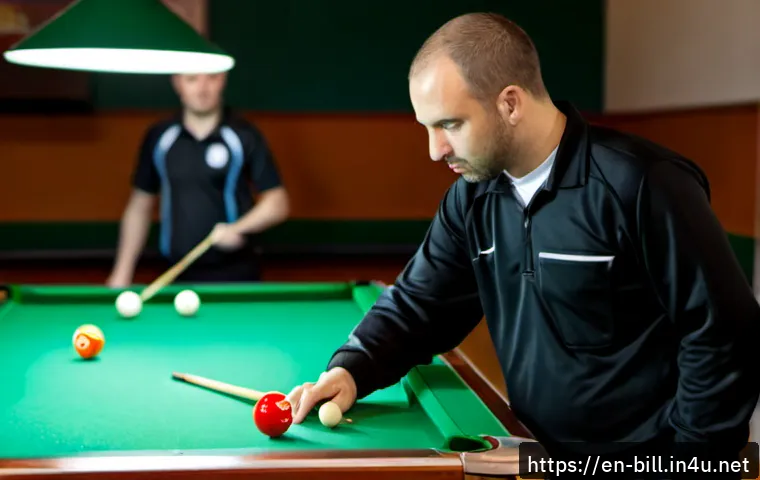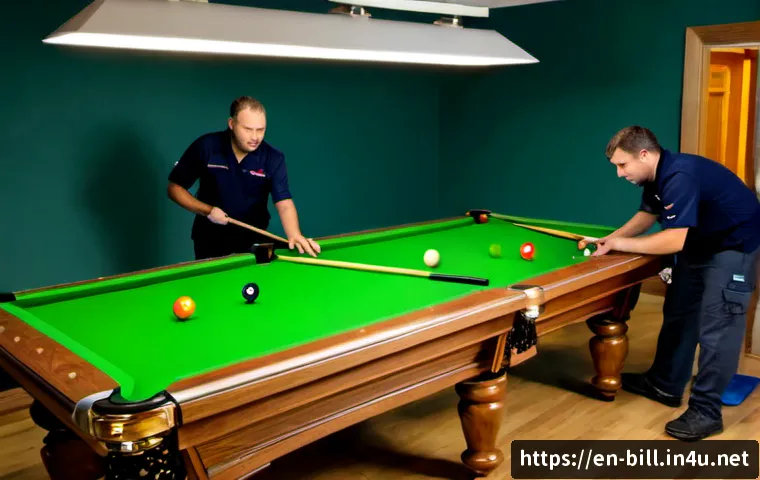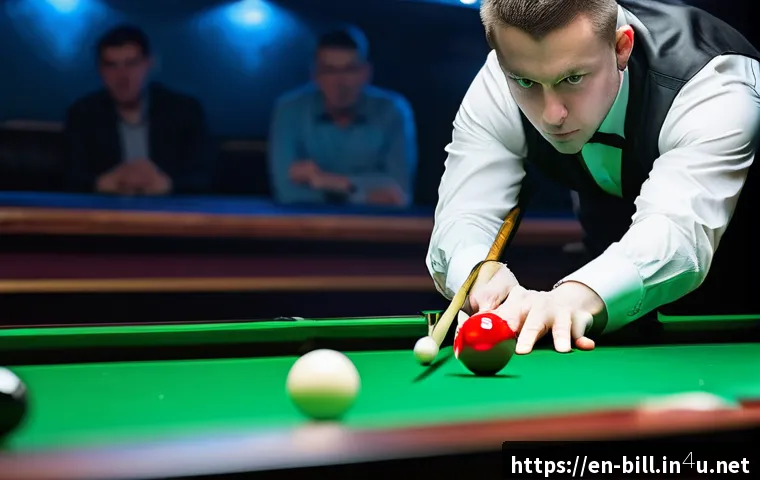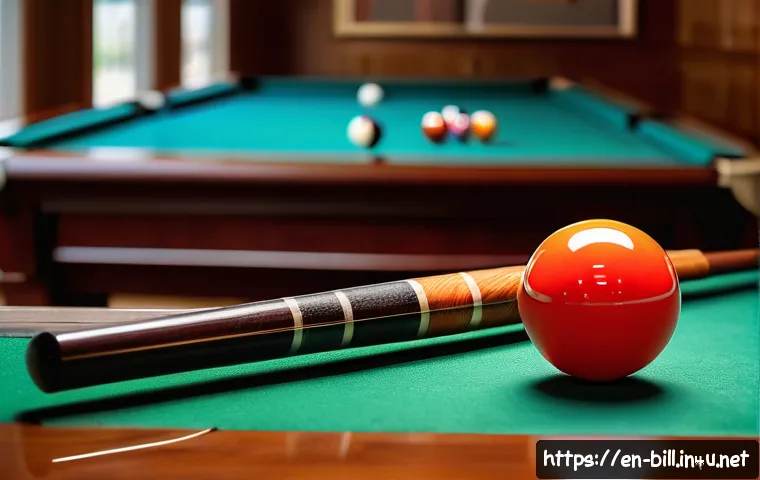
If you’ve recently caught the billiards bug or are simply curious about diving into this classic game, you’re in the right place. With pool halls buzzing and home setups becoming more popular than ever, knowing what gear you truly need can make all the difference.
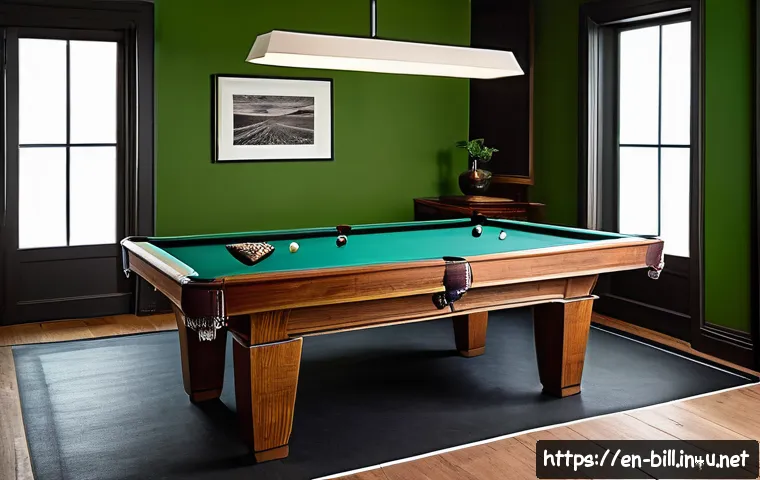
Getting started with the right equipment not only boosts your confidence but also speeds up your journey to playing like a pro. Whether you’re aiming to impress friends or just want to enjoy some relaxing downtime, the essentials we’ll cover will set you up for success.
Let’s break down the must-have items that every beginner should have in their arsenal before stepping up to the table.
Choosing the Right Cue: The Heart of Your Game
Understanding Cue Materials and Their Impact
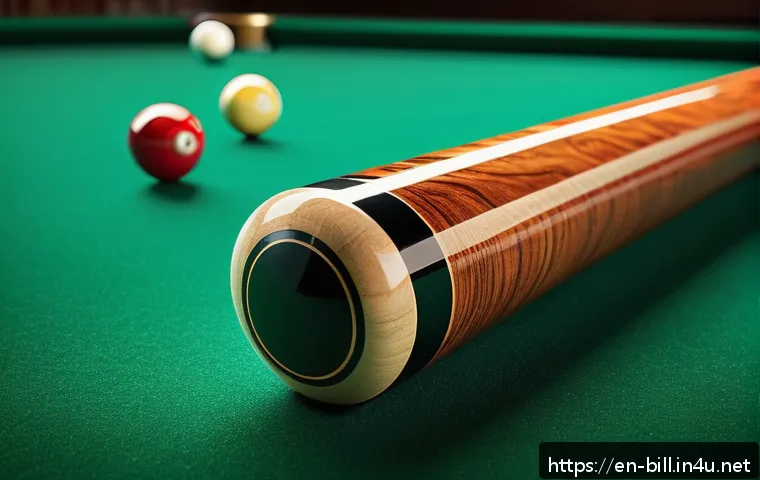
When I first picked up a cue, I never imagined how much the material would affect my shot. Cues come in various materials—maple, ash, fiberglass, and even carbon fiber.
Maple cues are the most popular for their balance of stiffness and feel, providing a solid hit with minimal vibration. Ash cues, on the other hand, tend to have a bit more flex, which some players find gives a softer touch.
Fiberglass and carbon fiber cues are great for durability and resistance to warping, perfect if you’re prone to knocking your cue around or playing outdoors.
For beginners, I’d recommend starting with a maple cue because it offers a good blend of control and feedback, helping you develop a consistent stroke.
Picking the Right Cue Length and Weight
Another important aspect I learned early on is cue length and weight. Most adult cues range between 57 and 59 inches, but if you’re shorter or prefer more control, a slightly shorter cue might suit you better.
Weight usually varies from 18 to 21 ounces; lighter cues offer quicker shots and more finesse, while heavier cues give you power but can tire your arm faster.
Personally, a 19-ounce cue felt like the perfect middle ground for me—easy to maneuver but still packed with enough heft for solid hits. Don’t hesitate to test a few cues before committing to one, as comfort can dramatically affect your confidence and accuracy.
Tips on Maintaining Your Cue for Longevity
Once you’ve got your cue, keeping it in good shape is key. I quickly found out that a well-maintained cue lasts years and plays better. Regularly cleaning the shaft with a damp cloth and using cue wax or conditioner helps prevent dirt buildup and keeps it smooth.
The tip needs special attention too; it should be shaped and scuffed to hold chalk well, improving grip on the cue ball. I keep a small tip shaper and chalk in my bag and make it a habit to check my cue before every game.
A neglected cue can seriously mess with your game, so trust me—it’s worth the effort.
Essential Accessories That Make a Difference
Chalk: More Than Just a Powder
You might think chalk is just something trivial, but it’s absolutely essential for controlling your shots. Chalk helps prevent miscues by increasing friction between the cue tip and the cue ball.
When I started, I underestimated chalk’s role until I experienced the frustrating “slip” where the cue tip slides off the ball, ruining a shot. There are several types of chalk, like traditional blue, magnetic, and even pro-grade varieties with different textures and grip levels.
Trying a few can help you find one that matches your style and reduces those annoying miscues.
Choosing a Cue Case for Protection and Convenience
A quality cue case protects your investment and makes transporting your gear hassle-free. I remember once traveling to a local tournament with just a cloth bag and ended up with a bent shaft—definitely a rookie mistake.
Hard cases offer the best protection, especially if you travel frequently, while soft cases are lighter and easier to carry around casually. Some cases even have extra pockets for chalk, gloves, and towels, keeping everything organized.
Personally, I prefer a hybrid case that balances protection and portability since I often practice both at home and in pool halls.
Gloves and Other Comfort Enhancers
If you play regularly, you’ll soon realize how much friction between your hand and the cue can affect your stroke. That’s where gloves come in. I tried playing without one and noticed my shots were inconsistent when my hands got sweaty.
A billiard glove reduces friction and allows smoother cue movement, especially for players who use a bridge hand or play fast-paced games. They come in different styles—full-finger, three-finger, or even breathable mesh—so you can pick what feels best.
Gloves might not be necessary for casual players, but once you start practicing seriously, they’re a game changer.
Setting Up Your Practice Space for Maximum Improvement
Table Size and Surface Types to Consider
Not everyone has access to a full-size pool table at home, but understanding the differences helps you adapt your game. Standard tables come in sizes like 7, 8, and 9 feet, with 9-foot tables used in professional play.
The size affects shot difficulty and cue ball control, so practicing on a smaller table can be a good way to build precision, though it might feel cramped at first.
Felt quality also varies—higher-grade wool blends provide smoother ball roll and consistency. When I set up my home space, I went for an 8-foot table with a medium-quality felt that balanced cost and playability, and it’s made a huge difference in my practice sessions.
Lighting and Space Arrangement Tips
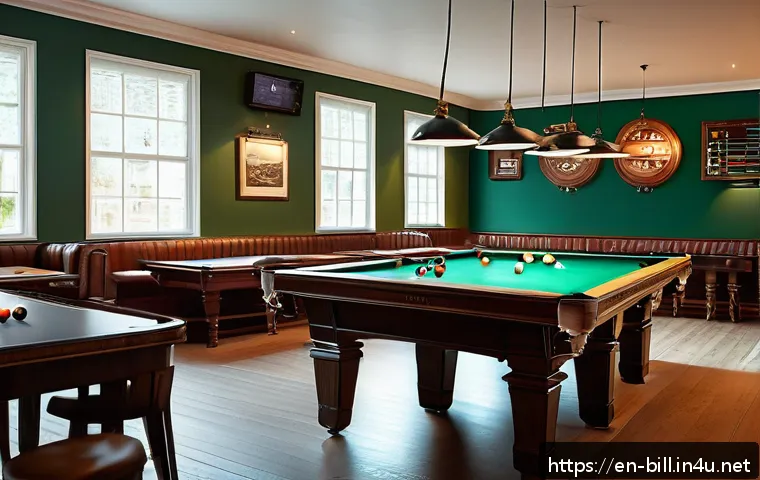
Good lighting is often overlooked but critical. I remember practicing in a dimly lit basement and constantly misjudging my shots. Ideally, your table should be evenly lit from above with no harsh shadows or glare.
LED fixtures designed for billiards are a great investment. Also, ensure you have enough room around the table—at least 5 feet on all sides—so you can comfortably make shots without bumping into walls or furniture.
This setup helped me feel more confident and allowed me to focus on technique instead of dodging obstacles.
Using Practice Aids to Sharpen Your Skills
Practice aids like aiming systems, laser guides, and training balls can accelerate your learning curve. When I first started, I used a laser aiming tool that projected lines on the table, helping me understand angles better.
While it feels a bit like a cheat at first, it actually trains your eyes to recognize patterns and improves your natural aiming over time. There are also ghost ball trainers and cue ball control aids that simulate real-game scenarios.
Incorporating these tools into your practice routine makes a huge difference, especially when you don’t have a partner to play against.
Choosing the Best Balls and Table Accessories
Types of Pool Balls and Their Characteristics
Pool balls might look standard, but their materials and construction can affect your gameplay. Most balls are made from phenolic resin or polyester. Phenolic resin balls are more durable and offer better consistency in roll and bounce, which is why pros prefer them.
Polyester balls are cheaper but tend to wear out faster and chip more easily. I started with a polyester set at home but upgraded to phenolic resin once I took the game seriously.
The difference in feel and response is noticeable, especially in tight shots.
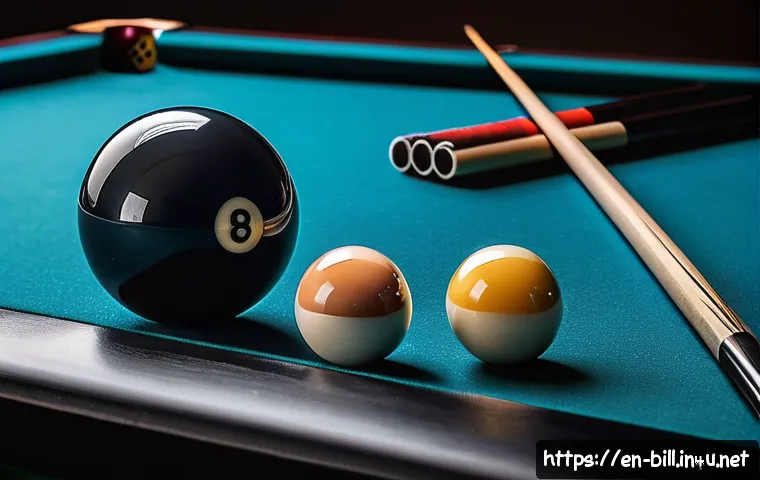
Table Cloth Choices and Maintenance
The cloth on your pool table is like the playing field in any sport—it needs to be smooth and consistent. Wool-nylon blends are common, with speed cloth variants allowing faster ball movement.
Maintaining the cloth means brushing regularly to remove chalk and debris and occasionally vacuuming to keep it clean. I use a dedicated table brush and a lint roller before every practice session, and it really helps keep the surface smooth and fast.
A well-maintained cloth reduces unexpected ball behavior and makes your shots more predictable.
Additional Table Accessories to Enhance Play
Beyond the basics, accessories like rail cushions, ball racks, and scoreboards contribute to a better playing experience. Good rail cushions absorb impact and help balls bounce predictably, which is crucial when you’re learning bank shots or kicks.
Ball racks keep your set organized and make break shots more consistent. Scoreboards, while not essential, add a fun competitive edge, especially if you play with friends or in leagues.
Investing in these extras early on can turn a casual game into a more professional and enjoyable experience.
Budgeting Smartly for Your Billiards Setup
Balancing Quality and Cost for Beginners
When I first started, I was overwhelmed by the range of prices and options for billiards gear. The key is to prioritize quality where it counts and save elsewhere.
For example, investing in a good cue and decent balls is more important than splurging on expensive cases or accessories at the start. You can always upgrade those later.
Quality equipment not only lasts longer but also feels better, helping you develop solid fundamentals.
Where to Find Deals and Trusted Brands
Online marketplaces, local pool halls, and specialty sports stores all offer different deals. I found that online reviews and user forums helped me spot reliable brands like Predator, McDermott, and Meucci for cues.
For balls and accessories, names like Aramith stand out for their durability. Watching out for seasonal sales or second-hand gear in good condition can also stretch your budget without compromising quality.
Don’t rush purchases; take time to research and try before you buy.
Cost Breakdown of Essential Equipment
To give you a clearer picture, here’s a table summarizing typical costs for beginner gear:
| Item | Price Range (USD) | Notes |
|---|---|---|
| Cue Stick | $50 – $300 | Maple cues are generally mid-range; carbon fiber costs more |
| Pool Balls Set | $30 – $150 | Phenolic resin balls are pricier but more durable |
| Chalk | $2 – $10 | Higher-end chalk improves grip and reduces miscues |
| Cue Case | $20 – $150 | Hard cases offer best protection; soft cases are more portable |
| Glove | $10 – $30 | Optional but helpful for consistent stroke |
| Table Brush | $10 – $25 | Maintains cloth smoothness |
Developing Good Habits With Your Equipment
Proper Storage and Handling Practices
One thing I quickly learned is that treating your equipment with respect pays off. Always store your cue vertically in a stand or case to avoid warping.
Keep balls clean by wiping them with a soft cloth after play, preventing chalk buildup that can alter ball roll. Avoid exposing your gear to extreme temperatures or moisture, which can damage wood and felt.
These habits might seem small but go a long way in preserving your setup and maintaining consistent play quality.
Routine Equipment Checks Before Playing
Before every session, I make it a ritual to inspect my cue tip, chalk, and table condition. The tip should be rounded and scuffed enough to hold chalk well; if it’s too hard or worn out, it’s time for a tip replacement.
Check your chalk supply so you don’t run out mid-game, and scan the table for any debris or damage. This routine ensures you’re not caught off guard during a critical shot and helps build confidence knowing your gear is ready to perform.
Learning to Adjust Equipment as You Improve
As your skills progress, your equipment needs might change. I found that after a year, switching to a slightly heavier cue and finer chalk improved my control on more advanced shots.
Some players even customize their cue tips or switch to specialized gloves for different game styles. Keep an open mind and don’t hesitate to experiment with your gear—it’s part of the journey to finding what truly enhances your play and suits your evolving style.
In Conclusion
Choosing the right cue and accessories is more than just picking gear—it shapes how you play and grow in the game. From cue materials to maintenance habits, every detail matters in building confidence and consistency. Setting up a proper practice space and investing smartly helps you improve steadily without frustration. Remember, the best equipment is one that feels like an extension of your own skill and style.
Useful Tips to Keep in Mind
1. Always test different cue weights and lengths to find what feels most comfortable before making a purchase.
2. Regularly maintain your cue tip and shaft to prevent wear that can affect shot accuracy and consistency.
3. Invest in quality chalk and a good cue case early on to protect your equipment and improve your game.
4. Ensure your practice area is well-lit and spacious enough to allow natural movement during shots.
5. Use training aids like laser guides or aiming systems to accelerate skill development and build better shot precision.
Key Takeaways for Better Play
Understanding and selecting the right equipment tailored to your play style is essential for progress. Proper care and storage extend the life and performance of your gear, directly influencing your results. Creating a comfortable practice environment and using helpful accessories can dramatically boost your confidence and skill level. Lastly, budgeting wisely and upgrading gear as you improve will keep your game fresh and enjoyable without unnecessary spending.
Frequently Asked Questions (FAQ) 📖
Q: What basic equipment do I need to start playing billiards at home?
A: To get started with billiards at home, you’ll need a quality pool table that fits your space, a set of pool balls, a few good cues, and a rack to arrange the balls.
Additionally, chalk for your cue tips and a brush to keep the felt clean will keep your game smooth. Investing in these basics helps you build good habits early and enjoy the game without interruptions.
Q: How important is the cue stick, and should beginners buy an expensive one?
A: The cue stick is your primary tool, so it definitely matters! However, as a beginner, you don’t need to splurge on a high-end cue right away. Look for a well-balanced, medium-weight cue that feels comfortable in your hands.
I found that starting with a decent mid-range cue helped me develop my technique without breaking the bank. Once you’re more confident, upgrading to a professional cue can enhance your precision and control.
Q: Are there any accessories or extras that can improve my game as a beginner?
A: Absolutely! Besides the essentials, accessories like a cue tip repair kit, a glove for smoother stroke, and a bridge stick for tricky shots can make a big difference.
Also, consider investing in a good overhead light if you’re playing at home—proper lighting reduces eye strain and helps you line up shots better. From my experience, these small extras not only improve your performance but also make the game more enjoyable and less frustrating.