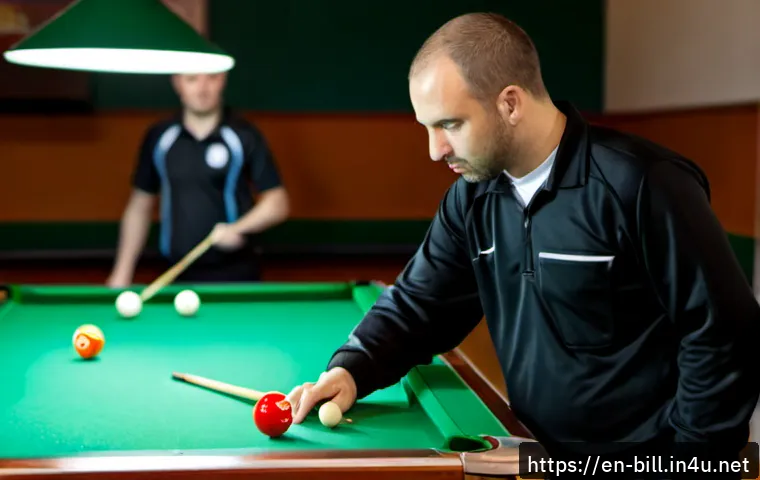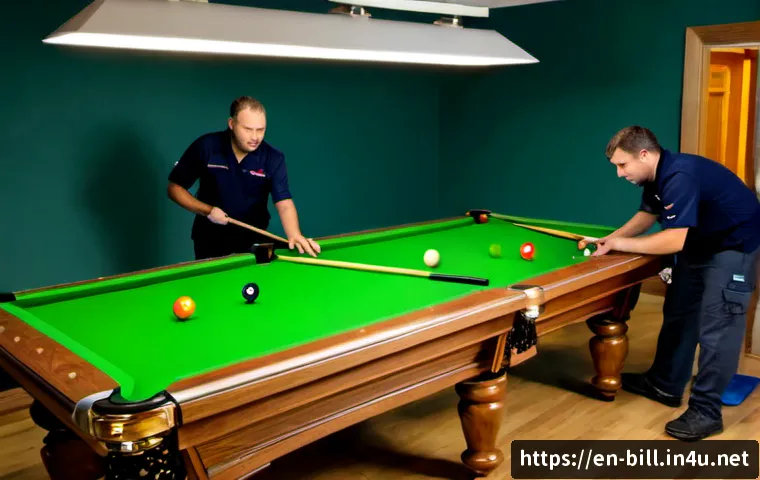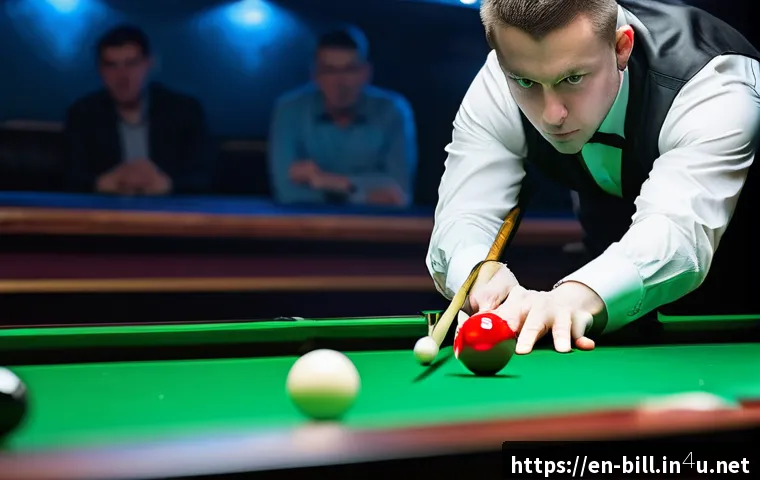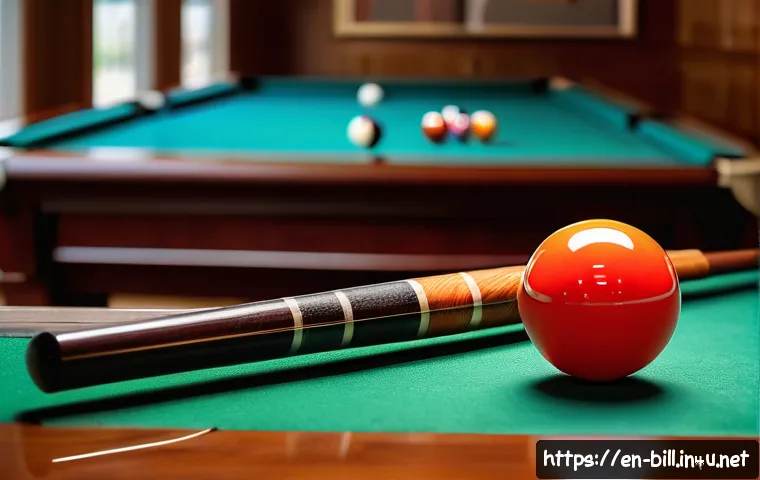
Whether you’re just starting out or have been playing pool for years, having the right accessories can make all the difference in your game. From chalk to cue cases, these essential items not only improve your performance but also protect your equipment and enhance your overall experience.

I’ve found that investing in quality gear really boosts confidence and precision at the table. Plus, knowing what to have on hand keeps you prepared for any situation during a match.
Curious about which items you absolutely shouldn’t miss? Let’s dive in and explore the must-have pool accessories that every player should know about!
Choosing the Perfect Cue for Your Style
Types of Pool Cues and Their Impact on Play
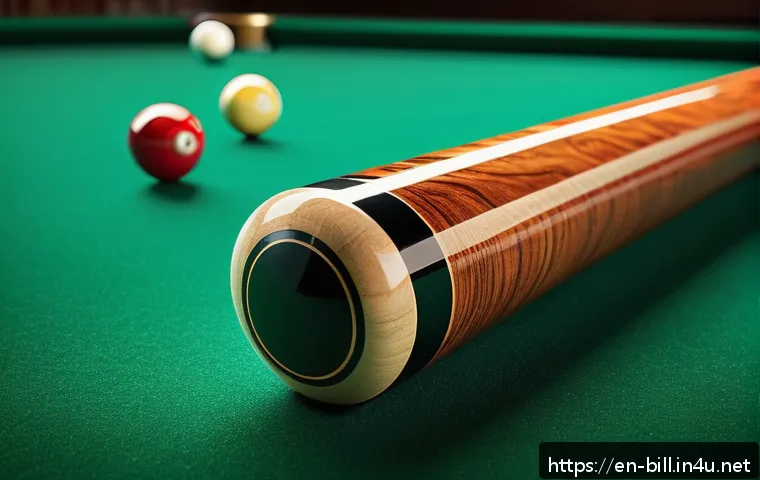
Whether you’re a casual player or a seasoned competitor, the cue you pick can seriously affect your game. There’s a surprising variety—from standard one-piece cues to sophisticated two-piece models designed for easy transport.
I remember switching from a basic cue to a low-deflection one and immediately noticing better control and accuracy. Low-deflection cues reduce the sideways movement of the cue ball, especially on spin shots, which can be a game-changer once you get the hang of it.
If you play mostly at home, a heavier cue might feel more stable, but if you’re often on the go, something lighter and easier to carry could be your best bet.
Material Matters: Wood, Fiberglass, or Carbon Fiber?
The material of your cue also plays a subtle role in how it feels and performs. Traditional hardwood cues offer that classic feel with a solid, natural grip, but they can warp if not cared for properly.
Fiberglass and carbon fiber cues are more durable and weather-resistant, which is great if you’re playing outdoors or in varying environments. I’ve tried carbon fiber cues and found them incredibly smooth and consistent, though they sometimes lack the warm, tactile feedback of wood.
Your choice depends on whether you prioritize durability or that traditional touch.
Grip Styles and Tips for Maximum Comfort
Don’t overlook the grip—this little detail can make long sessions much more comfortable. Some cues come with leather wraps, others with a simple smooth finish.
Leather grips offer excellent traction, especially if your hands sweat a lot during intense matches. I personally prefer a slightly tacky grip that prevents slipping without feeling sticky.
Also, consider the cue tip: softer tips give more spin control, while harder tips last longer but might feel less forgiving. Experimenting with different tip hardness helped me find the perfect balance between control and durability.
Essential Chalk and Its Role in Shot Accuracy
Why Chalk is More Than Just a Tradition
Chalking your cue tip is often seen as a routine part of pool, but it actually has a crucial purpose: it prevents miscues by increasing friction between the cue and the cue ball.
I’ve noticed that when I skip chalking before a tricky shot, the cue ball tends to slip off the tip, ruining my aim. Applying chalk evenly is key, so don’t just slap it on—gently rub the chalk over the tip’s surface to cover it fully.
Some brands offer chalk with better adhesion and less dust, which can keep your cue and table cleaner, enhancing your playing environment.
Choosing the Right Chalk Brand and Type
There’s a wide range of chalk on the market, from traditional blue to colored varieties matching different table cloths. Some high-end chalks offer a harder texture that lasts longer, while others have a softer, powdery feel for maximum grip.
I tried several brands and found that certain chalks provided a noticeable boost in cue ball control, especially on spin shots. If you play competitively, investing in premium chalk can give you that slight edge by reducing miscues and increasing shot consistency.
Chalk Maintenance Tips to Extend Its Life
Keeping your chalk fresh and effective is easier than you might think. Store it in a small container or chalk holder to prevent it from drying out or crumbling.
I keep mine in a little box inside my cue case, which protects it from accidental drops and dust. Also, avoid sharing chalk with others during matches to prevent contamination and keep your tip in top shape.
When your chalk starts to lose texture or becomes overly dusty, it’s time to replace it for optimal performance.
Protecting Your Gear with Quality Cases
Hard Cases vs. Soft Cases: Pros and Cons
If you carry your cue around often, a good case is non-negotiable. Hard cases offer solid protection against bumps and drops, which is perfect if you travel frequently to tournaments.
I once had a soft case that got crushed in my car trunk, causing minor damage to my cue shaft—lesson learned! Soft cases are lighter and easier to carry, often featuring extra pockets for chalk and gloves, making them ideal for casual players who mostly play locally.
Choosing between the two depends on how much protection you need versus portability.
Features to Look for in a Cue Case
Beyond the basic protection, look for cases with padded interiors to prevent scratches and moisture buildup. Some cases come with humidity control features, which can be a lifesaver if you live in a damp climate.
I’ve found cases with multiple compartments invaluable for organizing my accessories—having everything in one place saves time and hassle during matches.
Adjustable shoulder straps and sturdy handles also make a huge difference in comfort when transporting your gear.
Extending the Life of Your Cue with Proper Storage
How you store your cue when not in use matters just as much as protection during travel. Always keep your cue in a case, preferably upright or flat on a rack to avoid warping.
I keep mine in a climate-controlled room, away from direct sunlight or extreme temperatures, which can cause wood cues to crack or twist. Regularly checking your cue for signs of wear and cleaning it with a soft cloth helps maintain its finish and performance.
Maintaining Your Equipment for Peak Performance
Cleaning and Conditioning Your Cue
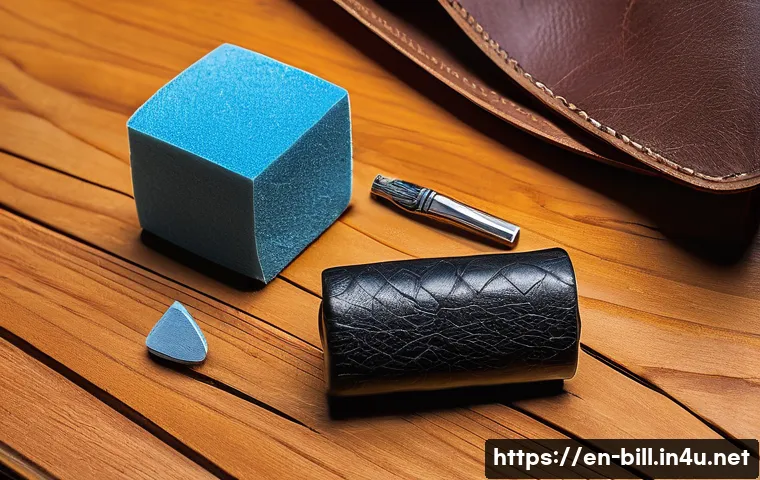
Regular maintenance is key to keeping your cue in top shape. After every session, wipe down the shaft with a microfiber cloth to remove chalk dust and oils from your hands.
Every few months, applying a light cue conditioner or shaft cleaner can prevent grime buildup and keep the wood smooth. I noticed a big difference after starting this routine—my shots felt smoother, and the cue was easier to control.
Avoid harsh chemicals that can damage the finish.
Tip Shaping and Replacement
The cue tip gradually wears down, affecting your ability to apply spin and control the cue ball. I learned to carry a tip shaper and scuffer with me, tools that help maintain the tip’s rounded shape and texture between replacements.
When the tip gets too thin or hard, it’s time to replace it entirely. Replacing tips isn’t as daunting as it sounds, and doing it yourself can save money and keep your cue playing like new.
Many local billiards shops offer tip replacement services if you prefer professional help.
Spotting and Fixing Common Cue Issues
Warping, loose ferrules, and cracked shafts are common problems that can sneak up on any player. I once noticed my cue felt off during a match, and it turned out the shaft had a slight bend—something you can’t fix yourself but needs professional attention.
Tightening loose joints and ferrules regularly keeps your cue stable. If you spot cracks or chips, get them repaired promptly to avoid further damage.
Keeping a small repair kit in your gear bag is a smart move for quick fixes during tournaments.
Handy Accessories to Enhance Your Game
Gloves for Improved Grip and Comfort
If you play long sessions or have sweaty hands, a billiard glove can make a noticeable difference. Gloves provide a smooth, consistent stroke by reducing friction between your hand and the cue.
I started wearing a glove during tournaments and felt my stroke become more fluid and less strained. They come in various materials and styles, some covering three fingers and others the entire hand.
Choose one that feels breathable and fits snugly without restricting movement.
Bridge Sticks and Extensions for Tough Shots
Sometimes, the ball’s position makes it impossible to reach with a normal stance. That’s where bridge sticks and extensions come into play. They give you extra reach and stability for awkward shots, making previously impossible plays achievable.
I kept a bridge in my case and found it saved me in numerous tight spots. They’re lightweight, easy to carry, and often adjustable, so you can customize your reach depending on the shot.
Scoreboards and Chalk Holders for Organized Play
Keeping track of scores and having chalk handy during a match can keep the game flowing smoothly. Portable scoreboards are simple but effective, especially in competitive settings where losing count can be frustrating.
Chalk holders attached to your cue or case make chalking quick and convenient without fumbling around. Small organizational tools like these might seem minor but contribute significantly to a professional and focused playing environment.
Comparing Popular Pool Accessories: Quick Reference
| Accessory | Purpose | Best For | Typical Price Range | Personal Tip |
|---|---|---|---|---|
| Cue | Striking the cue ball | All players, from beginners to pros | $50 – $500+ | Try before buying to find your perfect weight and grip |
| Chalk | Prevents miscues, improves spin | Every player | $2 – $10 per cube | Keep in a chalk holder to maintain freshness |
| Cue Case | Protects and transports cue | Players on the go | $30 – $300+ | Hard cases for travel, soft for local play |
| Glove | Improves grip, reduces friction | Players with sweaty hands or long sessions | $10 – $40 | Choose breathable material for comfort |
| Bridge Stick | Extends reach for difficult shots | All players | $15 – $50 | Keep one in your case for tricky shots |
Wrapping Up
Choosing the right cue and accessories can truly elevate your pool game, whether you’re a beginner or a seasoned player. Paying attention to materials, grip, and proper maintenance makes a noticeable difference in performance and comfort. Remember, investing time in understanding your gear will pay off in consistency and enjoyment at the table. Keep experimenting to find what suits your style best, and your skills will follow naturally.
Useful Tips to Keep in Mind
1. Always test different cues to find the perfect weight and grip that feel comfortable during play.
2. Regularly chalk your cue tip with quality chalk to reduce miscues and improve shot accuracy.
3. Protect your cue with a case that suits your lifestyle—hard cases for travel, soft cases for local play.
4. Maintain your cue by cleaning the shaft and reshaping or replacing the tip as needed for optimal control.
5. Consider adding accessories like gloves and bridge sticks to handle long sessions and tricky shots more comfortably.
Key Takeaways for Your Pool Gear
Proper cue selection, combined with consistent maintenance and the right accessories, forms the foundation for better gameplay. Prioritize comfort and durability when choosing materials, grips, and cases. Don’t underestimate the role of chalk in shot precision, and always store your equipment carefully to extend its lifespan. Small details like gloves and bridge sticks can significantly improve your experience, so tailor your gear to your unique playing style and needs.
Frequently Asked Questions (FAQ) 📖
Q: What are the most essential pool accessories every player should have?
A: From my experience, the basics you can’t go without include good quality chalk, a sturdy cue case, and a reliable cue tip shaper or scuffer. Chalk improves your cue tip’s grip on the ball, which is crucial for accurate shots.
A cue case protects your cue from damage when you’re on the move, and maintaining your tip ensures consistent play. Beyond these, accessories like a bridge stick or glove can enhance comfort and control, especially during tricky shots.
Q: How does investing in quality accessories impact my game?
A: I’ve noticed a real difference since switching to better gear. Quality accessories not only last longer but also boost your confidence at the table. When you know your equipment is reliable, you focus more on your technique rather than worrying about gear issues.
For example, a well-made cue case prevents warping or damage, so your cue plays true every time. Plus, using chalk that holds well keeps your shots consistent, which is a game-changer during tight matches.
Q: Are there any accessories that help protect my equipment during travel?
A: Absolutely, protecting your cue when traveling is a must. A solid cue case is your best friend here—it shields your cue from bumps, moisture, and temperature changes.
Some cases even come with padding and compartments for chalk, gloves, and other small items, keeping everything organized. I’ve traveled with a hard case and noticed my cues stayed in pristine condition, even after long trips.
Investing in a good case is a small step that saves you from costly repairs or replacements down the line.