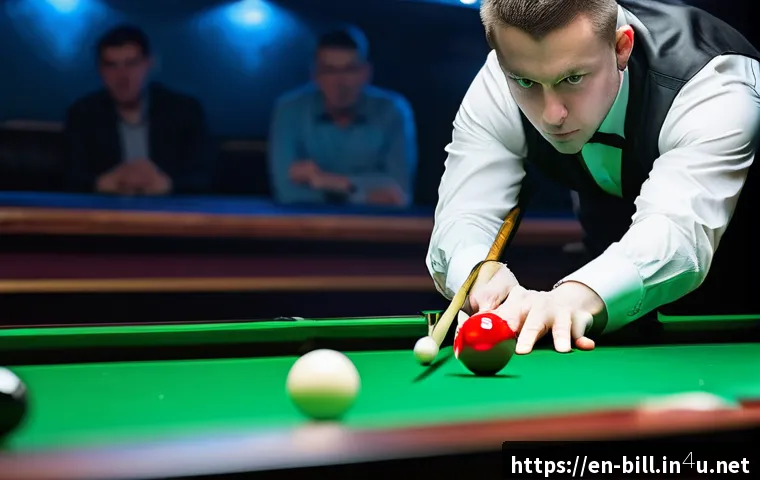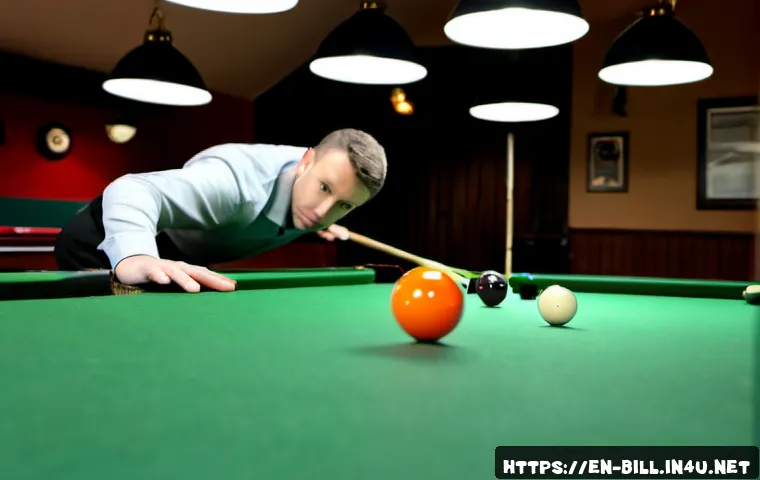
Start with center-ball contact, a stable bridge hand, and a smooth follow-through before attempting spin. A repeatable stance and relaxed cue delivery make beginner billiards shots more reliable than aiming harder.
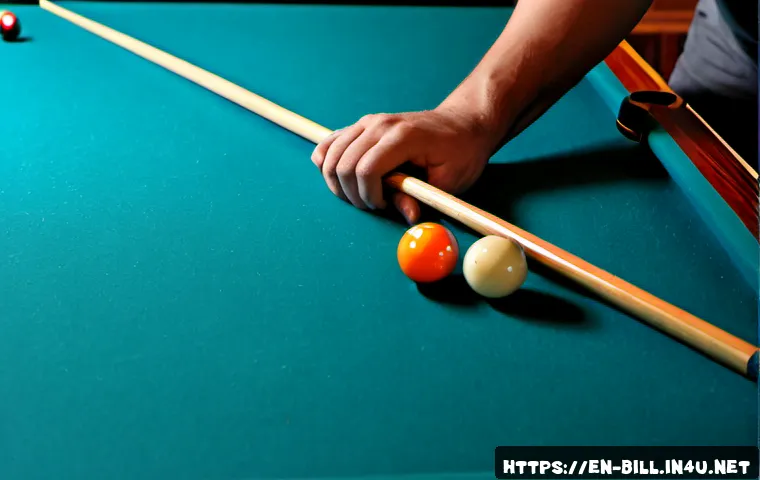
Good results come from combining object-ball aiming with cue-ball speed control. If a house cue feels straight and usable, it is usually enough for basic practice.
A personal cue, paid table time, or billiards lessons can be worth considering when you can identify the specific problem you want to solve. Focus on repeatable technique first, then compare equipment and coaching options based on fit, condition, and local availability.
At a Glance
- Start with center-ball contact to learn a basic stop or natural rolling shot before adding spin.
- Keep the bridge hand stable and let the cue travel on a clear, straight path.
- Use a relaxed grip and smooth follow-through; more force does not fix alignment errors.
| Option | Best For | What to Check Before Choosing |
|---|---|---|
| House cue | Beginners building basic stance, bridge, and center-ball contact | Whether it feels straight, comfortable, and usable for practice |
| Entry-level personal cue | Players who practice often and want a more consistent familiar feel | Fit, condition, tip condition, and whether it suits your usual game |
| Paid table time | Players who need repetitions and cue-ball control practice | Local table rates, table availability, and enough time for focused drills |
| Group or private lessons | Players who keep repeating the same miss pattern | Lesson format, instructor approach, local availability, and your main issue |
The Three Fundamentals That Make Most Beginner Shots More Reliable
Most beginner misses are not solved by adding power or sidespin. Start by making the cue move on the same line each time. A stable setup gives your aim a fair chance to work, while a smooth stroke helps you control the cue ball after contact.
Set Your Stance So the Cue Has a Clear Path
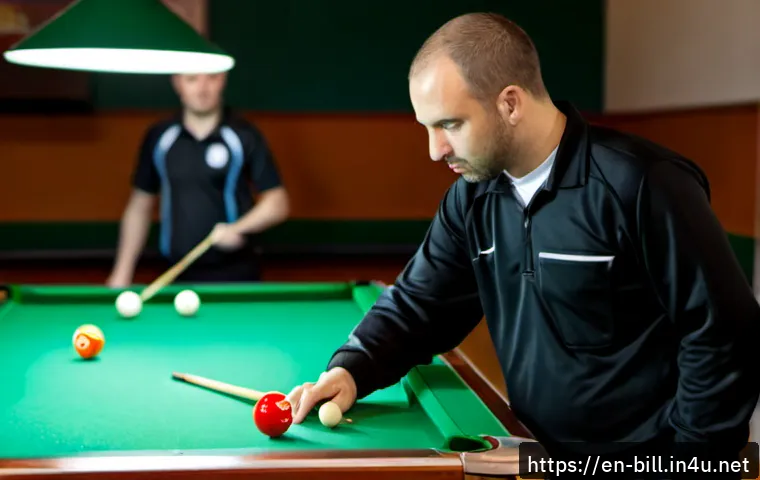
Settle into a stance that allows your cue to travel freely toward the cue ball. Your body should feel balanced rather than stretched or rushed. The useful test is simple: when you make practice strokes, the cue should have a clear path without your body forcing it sideways. If a shot feels cramped, reset before shooting instead of trying to steer the cue through the ball.
Build a Bridge Hand That Does Not Move During the Stroke
Your bridge hand supports the cue near the front of the shot. Keep it firm enough that it stays still while the cue slides through it. A moving bridge changes the cue line at the last moment, which can turn a straight shot into a miss. Whether you use an open or closed bridge, prioritize stability and a consistent cue channel.
Deliver the Cue With a Relaxed, Straight Follow-Through
Hold the cue with enough control to guide it, but avoid squeezing the grip. Excessive grip pressure can make the stroke less fluid and harder to repeat. Use a smooth forward motion and let the cue continue naturally after contacting the cue ball. Do not try to force the cue sideways to “help” the ball reach a pocket.
Aim, Contact Point, and Speed: What Each Part of the Shot Controls
A shot has more than one job. You need to send the object ball toward the intended target, but you also need to manage where the cue ball goes next. Separating these tasks makes practice clearer.
Find the Object-Ball Contact Line
First, identify the line that sends the object ball toward the pocket or intended destination. Then place your cue-ball path behind that contact point. On a straight-in shot, this is easier to see. On a cut shot, small aiming differences become more noticeable, so take time to settle into position before the final stroke.
Use Center-Ball Contact Before Adding Spin
For a basic stop or natural rolling shot, contact the cue ball near its center. Hitting above center introduces topspin, while hitting below center introduces backspin. Those effects can be useful for position play, but they also add another variable. Master center-ball shots first so you can tell whether a miss came from aim, stroke, or speed.
Match Shot Speed to Distance and Position Needs
Shot success depends on object-ball aiming and cue-ball speed control. A ball can be aimed correctly yet still leave a difficult next shot if the cue ball travels too far or not far enough. For beginner practice, choose a speed that lets you observe the cue ball rather than hitting hard by default. Adjust only one thing at a time: your aim line, contact point, or speed.
Practice Drills That Expose Common Shot Errors
Simple drills are useful because they make repeated errors easier to spot. Use the same routine each time: set your stance, place the bridge, make calm practice strokes, and watch both balls after contact.
Straight-In Drill for Alignment and Cue Delivery
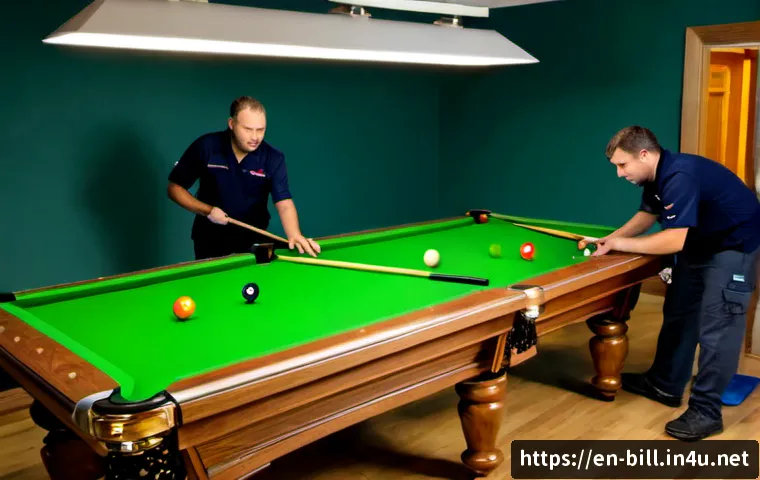
Set up an easy straight-in shot and focus on sending the cue ball directly through the line of the object ball. If the object ball misses despite looking correctly aimed, review your bridge stability and whether you are steering the cue. This drill is less about pocketing a difficult ball and more about checking whether your cue delivery is repeatable.
Stop-Shot Drill for Center-Ball Accuracy
Use a straight shot and try to strike near the center of the cue ball so its behavior is easy to read after contact. If the cue ball rolls forward unexpectedly or comes back, review the contact point rather than changing your aim immediately. This drill helps connect tip placement with cue-ball behavior.
Cut-Shot Drill for Aiming and Speed Control
Practice a modest cut shot, then pay attention to two results: whether the object ball follows the intended line and where the cue ball finishes. Use a controlled speed at first. Once the object-ball path becomes more consistent, vary the speed slightly and observe how that changes cue-ball position. Avoid adding sidespin until the center-ball version feels repeatable.
When Equipment or Lessons Are Worth Paying For
Equipment and instruction can support practice, but neither replaces a stable stance or a straight stroke. Spend based on the issue you can identify, not simply because a product promises faster improvement.
House Cue Versus Entry-Level Personal Cue: Practical Differences
A house cue can be sufficient when you are learning basic pool technique and can find one that feels usable. An entry-level personal cue may add value if you practice regularly and want a familiar cue from session to session. It is not a substitute for alignment, though. Test fit and condition where possible instead of assuming one cue style works for every player.
What to Check Before Buying a Cue or Cue Case
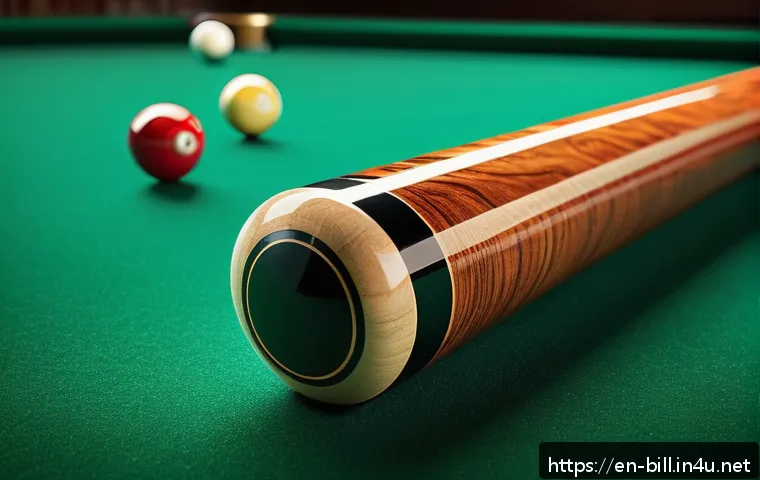
Before buying a beginner cue, check whether the cue feels comfortable in your hand and whether its condition supports normal practice. Look at the cue tip as well. A clean tip and properly applied chalk can reduce accidental miscues, but chalk cannot correct poor alignment. If you need a cue case, choose one based on protecting the cue during the way you actually travel and store equipment.
Group Lessons, Private Coaching, and Paid Practice Time Compared
Choose paid table time when you mainly need repetitions. Consider group lessons if you want general guidance and a shared learning setting. One-to-one coaching may be more useful when the same error continues after focused self-practice, such as a recurring steering motion or unstable bridge. Compare local lesson formats and table-rental terms before committing, because availability and pricing vary.
Common Mistakes That Make Good Aim Miss
Good aim can fail when the cue changes direction during the stroke. Before changing your aiming system, rule out these common delivery problems.
Steering the Cue Instead of Letting It Swing
Steering happens when you try to guide the cue sideways during the final motion. It often appears when a shot feels important or difficult. Return to calm practice strokes, keep the bridge still, and allow the cue to travel forward on its original line.
Gripping Too Tightly or Lifting the Head Early
A tight grip can interrupt a fluid stroke. Lifting your head early can also disrupt your setup before the cue has completed its path. Stay down through the stroke long enough to let the cue ball leave cleanly, then evaluate the result. Use the result to adjust your next attempt, not your body position during the current one.
Using Sidespin Before Mastering Center-Ball Shots
Sidespin adds complexity to cue-ball behavior and can hide the source of a miss. If you are still unsure whether your cue is moving straight, return to center-ball contact. Build a reliable baseline first, then explore topspin or backspin with a clear purpose for position control.
Selection Criteria and Comparison Summary
Choose self-practice if your main issue is general consistency and you can repeat simple drills. Choose coaching if the same miss pattern persists even when you slow down and follow a basic routine. Choose a personal cue only after your stance, bridge, and center-ball stroke are reasonably repeatable. Check the cue tip and basic condition before adding maintenance tools or a cue case. Compare local table rates and beginner lesson formats before committing.
Conclusion
Reliable billiards shots begin with a stable setup, a quiet bridge hand, and a relaxed cue stroke. Center-ball contact gives beginners a clear reference point before they experiment with spin. Practice straight shots, stop shots, and manageable cut shots to separate aiming issues from stroke and speed-control issues. Equipment and lessons are easier to choose once you know which part of the shot needs attention.
Useful Things to Know
Pool, snooker, and carom billiards use different rules, tables, and shot requirements. However, stance, bridge stability, cue alignment, and cue delivery principles overlap. If you switch disciplines, keep the basic routine but expect the table conditions and shot demands to feel different.
Important Notes
No cue, tip, training aid, or coaching package is automatically suitable for every player. Cue condition, table size, discipline, local prices, and practice frequency all need to be checked individually. Improvement timing also varies, so use repeated shot results rather than a fixed expectation.
Frequently Asked Questions
Q1. Do beginners need to buy an expensive billiards cue?
A1. Not necessarily. A usable house cue can be enough while you build a stable stance, bridge, and center-ball stroke. Consider a personal cue when regular practice makes a familiar fit and condition more valuable to you.
Q2. Is it better to take billiards lessons or spend more time practicing on a table?
A2. Practice time is useful for building repetition through simple drills. Lessons can be more useful if the same error continues, such as steering the cue or using an unstable bridge. Compare local table rates and beginner lesson formats based on the problem you want to solve.
Q3. What is the easiest basic billiards shot to practice for better cue-ball control?
A3. A straight-in shot with center-ball contact is a practical starting point. It makes alignment, cue delivery, and cue-ball behavior easier to observe. A basic stop-shot drill can then help you check whether you are contacting the cue ball near its center.