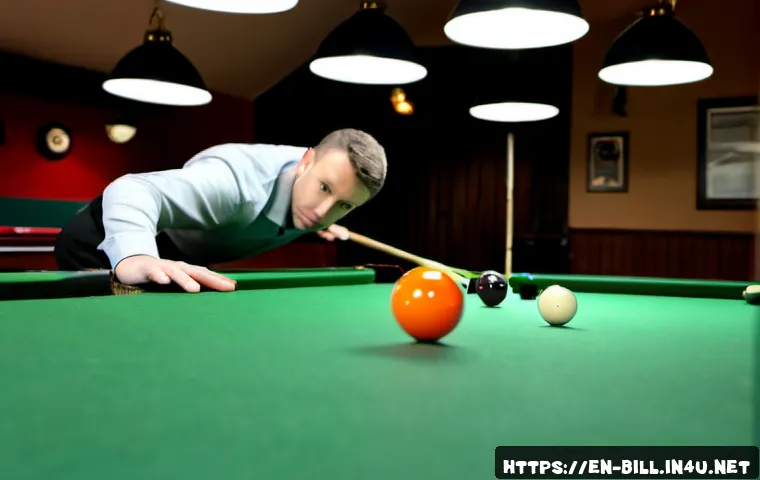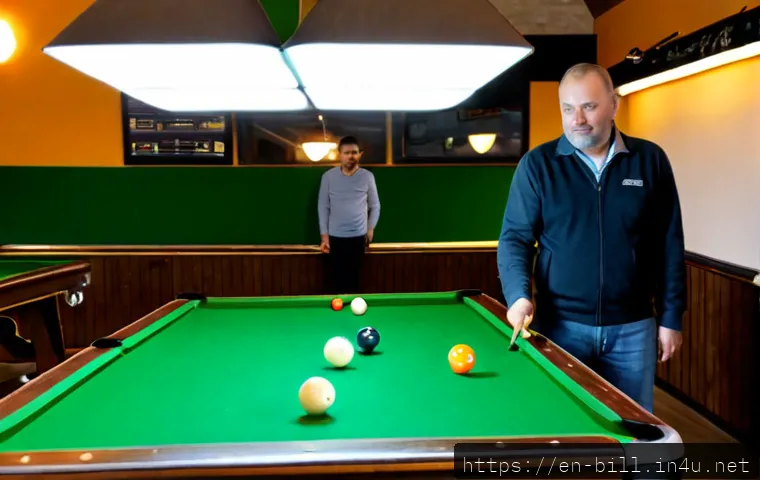
Billiards lessons are worth considering when you want targeted feedback, a clear practice plan, and faster correction of habits that are hard to spot alone.
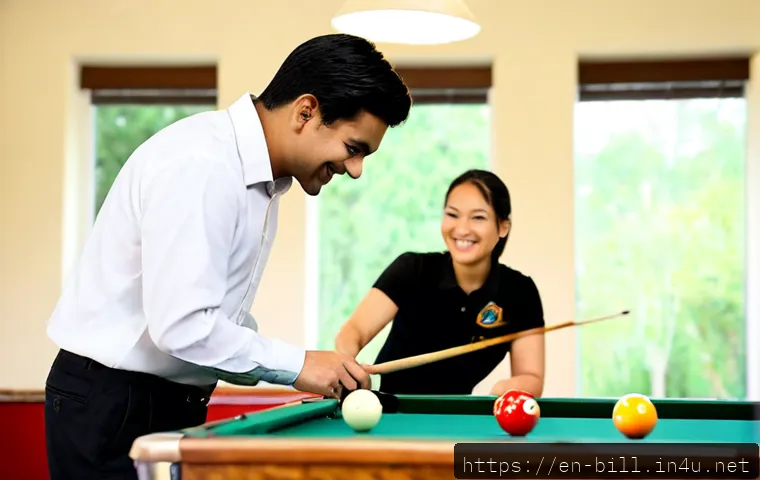
The best format depends on your budget, schedule, current skill level, and whether you can practice between sessions. Private coaching usually suits players who need individual feedback, while group clinics can be a practical choice for social learning and shared costs.
A good lesson review should describe what the coach taught, how they communicated, and what the player practiced afterward—not just say the session was fun.
Before booking, compare lesson length, included table time, equipment needs, and any travel or venue charges. No coach can promise a specific rating increase or tournament result, but the right instruction can make practice more focused.
At a Glance
- Private coaching is often the best fit when you want direct feedback on your own stance, stroke, cue delivery, and decision-making.
- Group clinics can work well for beginners and social players who want guided fundamentals with a lower individual cost.
- Self-guided practice may be the better first spend if you already know what to work on and have reliable table access.
| Coaching Format | Best Use Case | What to Compare Before Booking |
|---|---|---|
| Private billiards lessons | Personal technique feedback, league preparation, specific weaknesses | Lesson length, table time, instructor travel, practice assignments, follow-up support |
| Group clinics | Beginners, social learners, shared drills, basic cue sports training | Group size, individual feedback time, skill range, venue fees, session structure |
| Online coaching | Players with limited local options or those seeking video-based feedback | Video requirements, response format, live versus recorded review, drill clarity |
The Short Answer: When Coaching Is Worth the Cost
A pool lesson is usually worth the cost when it solves a defined problem. You may be missing straight shots for the same reason, struggling to control the cue ball, or feeling unsure about how to practice. A capable instructor can observe patterns that are difficult to notice during casual play. The value is not simply the time spent at the table; it is the quality of feedback you can use later.
Players Who Usually Benefit Most From a First Lesson
First-time students often benefit when they have a question they can explain in plain language. For example: “My cue feels unstable,” “I do not know where to aim,” or “I practice but repeat the same mistakes.” A clear starting goal gives the coach something practical to evaluate. Beginners can also benefit from learning basic routines before they build habits that become harder to change.
When More Table Time May Be a Better Investment Than Coaching
Coaching is not automatically the best purchase for every player. If you have little opportunity to play, more regular table time may deliver more value than a one-off lesson. The same is true if you leave a session without time to repeat the drills. Consider whether you have access to a suitable pool table, a consistent practice window, and enough equipment to work on the assigned exercises.
What a Useful First Session Should Accomplish
A useful first session should leave you with one or two priorities, not a confusing list of complete technique changes. You should understand what the instructor saw, why it matters, and how to practice it. Ask whether the coach provides written drills, video notes, or a simple practice sequence. A positive first impression is helpful, but a usable plan is more important than a short-term “breakthrough” feeling.
How to Read a Billiards Lesson Review Critically
When reading a billiards lesson review, look past general praise. Reviews can help you identify a coach’s communication style, but they should not be treated as proof that the same result will happen for you. Different players have different goals, practice access, and learning speeds.
Specific Feedback Versus Vague Praise
More useful reviews mention details: whether the instructor explained a drill clearly, adjusted the lesson to the player’s level, or gave practical feedback on cue control and shot selection. Comments such as “great coach” or “highly recommended” may be sincere, but they do not tell you whether the lesson format fits your needs. Look for evidence of clear instruction and actionable follow-up.
Signs the Instructor Adapts to the Player’s Skill Level
A strong pool instructor does not teach every student the same way. A recreational beginner may need simple setup habits and basic shot routines. A league player may need help diagnosing a recurring miss pattern or preparing for pressure situations. Before booking, ask how the instructor handles different skill levels and whether the session can focus on your stated goal.
Why Practice Plans Matter More Than a Single “Breakthrough” Session
A lesson can feel exciting because someone immediately points out a flaw. That does not always mean the change will hold up during normal play. The better question is whether the coach gives you a realistic way to repeat the adjustment. A short drill list, practice order, or follow-up recommendation can be more valuable than trying to overhaul every part of your game in one visit.
Private Lessons, Group Clinics, and Online Coaching Compared
There is no universally best coaching format. The right choice depends on how much individual attention you need, how you prefer to learn, and what your lesson pricing budget can support. Compare the format first, then compare individual instructors.
Feedback, Pace, Scheduling, and Social Learning Differences
Private lessons provide the most direct feedback because the session is focused on your game. They may suit players who want a customized practice plan or have a specific issue to address. Group clinics offer shared learning and may feel less intimidating for new players, but each participant generally receives less one-on-one table time. Online coaching can be useful when local instructor selection is limited, although its usefulness depends on clear video and communication.
Cost Factors to Compare Before Booking
Do not compare coaching options by the headline lesson price alone. Ask what is included. The total can be affected by lesson length, table rental or venue fees, instructor travel, equipment requirements, and follow-up materials. Confirm whether cue use, balls, table access, or practice time are included. These details vary by coach, club, and city, so they should be confirmed directly before you pay.
Which Format Fits Beginners, League Players, and Competitive Players
Beginners may prefer a clinic when they want basic instruction and a relaxed environment, or a private session when they want focused help from the start. League players often benefit from individual feedback paired with drills they can repeat between matches. Competitive players may need coaching that addresses both technical consistency and game-specific decision-making. In every case, choose a format that matches your actual practice opportunities rather than an ideal schedule you cannot maintain.
What to Check Before Paying for a Pool Instructor
Before paying for a pool instructor, make the scope of the session clear. A few direct questions can prevent confusion about time, costs, equipment, and expectations. This is especially useful when comparing local billiards lessons at different clubs or pool halls.
Lesson Length, Table Fees, Travel Charges, and Equipment Requirements
Confirm the scheduled lesson length and whether table time is part of the arrangement. Ask if there are separate venue charges or travel charges. Also ask what equipment you should bring. Some coaches may expect you to use your own cue, while others may have equipment available. If you are considering cue fitting or a new practice aid, ask whether it is relevant to your current issue before making an additional purchase.
Teaching Style, Communication, and Measurable Goals
Ask how the instructor normally structures a first lesson. A useful answer should explain how they assess your current play, communicate feedback, and set a manageable goal. Measurable does not mean guaranteed. It can simply mean identifying a drill, a routine, or a technical point you can monitor in practice. Be cautious if the conversation centers on dramatic promises rather than your needs and available practice time.

Questions to Ask About Follow-Up Drills and Future Sessions
Ask what you should practice after the lesson, how long to work on it before another session, and whether the instructor offers any follow-up feedback. You do not need a long-term package before you know whether the teaching style works for you. One well-defined session can help you decide whether more private coaching, a group clinic, or independent practice makes sense.
Common Mistakes That Reduce the Value of Lessons
Even a good instructor cannot make a lesson useful if the player books without a goal or never applies the feedback. Avoid turning coaching into a series of disconnected sessions.
Booking Too Many Sessions Before Defining a Goal
Start with a specific purpose, such as improving a recurring shot issue, learning a practice routine, or preparing for league play. Booking several sessions without knowing what you need can make it harder to judge value. After the first session, assess whether you understood the advice and had a fair chance to practice it.
Changing Stance, Grip, and Stroke All at Once
Major changes can feel productive because they are noticeable. They can also make it difficult to identify what helped or hurt. Unless the instructor has a clear reason, focus on a limited number of adjustments. One stable change practiced repeatedly is often easier to evaluate than several changes made at once.
Skipping Practice Between Sessions
A lesson is only one part of cue sports training. Without practice, feedback stays theoretical. If your schedule is crowded, ask for a short routine you can realistically repeat. Honest communication about your available table time helps the coach recommend an approach that fits your situation.
Choosing the Right Coaching Option: A Practical Comparison Summary
Use these checkpoints before choosing a lesson format: your main goal, total cost factors, individual feedback time, practice access, equipment needs, and follow-up drills. Private coaching is often a strong choice for targeted correction; group clinics can be a sensible option for fundamentals and shared learning; independent practice can be the right choice when table time is your main limitation. Compare local coach formats and confirm included table time before booking.
Best Choice for Occasional Recreational Players
Occasional players may get the most value from a single focused lesson or a beginner-friendly group clinic. Choose an option that leaves you with simple drills rather than a complex program that requires more practice time than you have.
Best Choice for League and Tournament Preparation
League and tournament players may prefer private instruction when they need feedback tied to recurring patterns in their own game. Bring a clear description of the situation you want to improve, and ask how to practice the recommendation between competitive sessions.
A Final Booking Checklist for Cost, Coaching Fit, and Practice Access
Before confirming a session, check the instructor’s format, the full cost structure, table access, required equipment, expected lesson focus, and whether you will receive practice guidance. Official booking details and included conditions should be checked on the relevant coach, club, or pool hall page.
Closing Thoughts
Billiards lessons can be a practical investment when they give you focused feedback and a plan you will actually use. The best coach is not necessarily the one with the most enthusiastic review, but the one whose format, communication, and expectations fit your goals. Start with a clear question, confirm the full session details, and give yourself time to practice before judging the result. Improvement is personal, and no lesson can guarantee a particular timeline or competitive outcome.
Useful Things to Know
Bring a goal: A simple question helps make the lesson more focused.
Confirm table access: Practice access after the session affects the value of the instruction.
Ask about equipment: Do not assume a cue, table time, or practice tools are included.
Review the plan later: Notes or drills can help you remember the most important feedback.
Important Notes
Lesson prices, instructor qualifications, scheduling, venue fees, and included equipment vary by location, coach, and pool hall. Confirm all details directly before booking. Coaching may improve the quality of your practice, but it cannot guarantee a rating increase, a tournament result, or a fixed improvement timeline.
Frequently Asked Questions
Q1. How much should I expect to pay for billiards lessons?
A1. Costs vary by city, instructor, lesson format, venue, and whether table time or travel is included. Ask for the complete cost breakdown, including any pool hall fees and equipment requirements, before booking.
Q2. Are private pool lessons better than group clinics for beginners?
A2. Not always. Private lessons offer more personal feedback, while group clinics can be a comfortable and budget-conscious way to learn basic skills. The better choice depends on how much individual guidance you want and how you prefer to learn.
Q3. What should I ask a billiards instructor before booking my first session?
A3. Ask about lesson length, total fees, included table time, equipment needs, teaching approach, the goal of the first session, and what practice drills or follow-up support you can expect afterward.