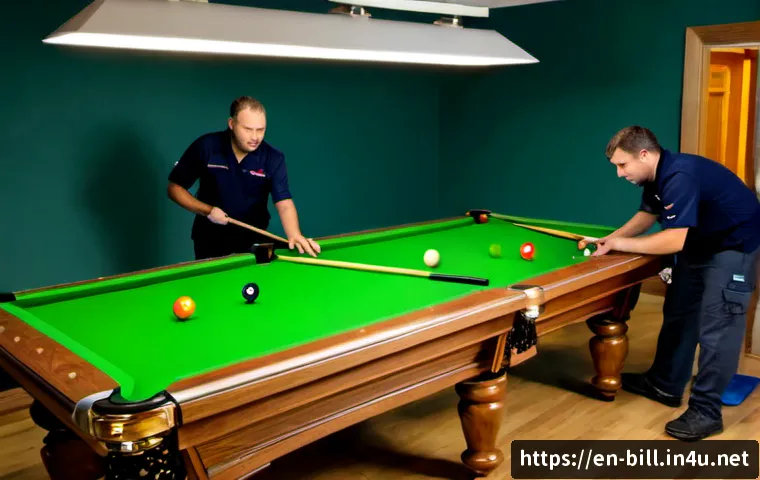
The fastest way to improve billiard room marketing is to pair a clear offer with accurate local visibility, then follow up with visitors in a way that encourages a second visit.
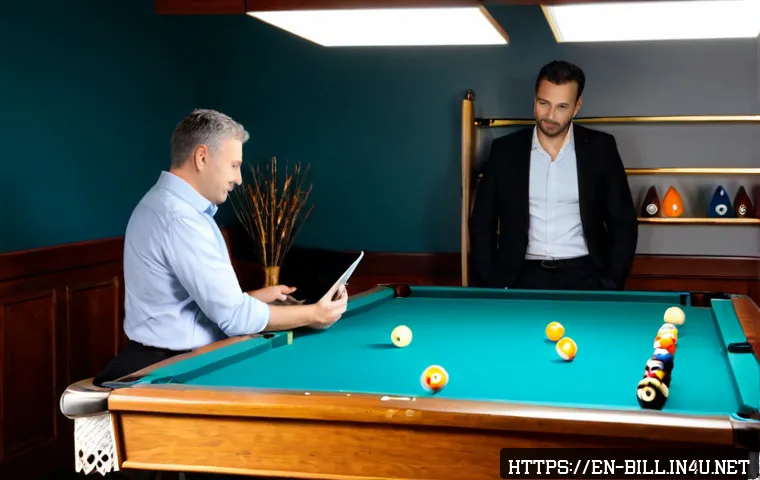
Start with your Google Business Profile, booking details, and a promotion designed for one specific audience rather than advertising everything to everyone.
For most pool halls, the best commercial decision is not simply choosing the cheapest channel; it is choosing the channel that can be tracked from inquiry to booking, membership, or repeat play.
Local search helps capture ready-to-book customers, while leagues, events, and loyalty tools can create stronger repeat revenue. Paid ads may be useful when a venue has a defined group package or private-event offer, but they work best after the booking path is clear.
Results, competition, and advertising costs vary by local market.
At a Glance
- Fix the offer and booking information first before increasing advertising spend.
- Use local search for high-intent visitors, then use leagues, events, and loyalty programs to encourage repeat visits.
- Track inquiries, bookings, return visits, and revenue—not only social media engagement.
| Marketing Channel | Best Customer Intent | Setup Effort | What to Measure |
|---|---|---|---|
| Google Business Profile and local search | People searching for a nearby pool hall, party venue, or billiard room | Low to moderate | Calls, direction requests, website visits, booking inquiries |
| Paid local advertising | Private parties, corporate events, league recruitment, time-sensitive promotions | Moderate | Qualified leads, booking requests, cost per inquiry, completed bookings |
| Social media and event promotion | Discovery, community building, event awareness | Moderate to high | Event responses, direct messages, attendance, tagged customer content |
| Email, SMS, and loyalty platforms | Existing visitors and regular players | Moderate | Repeat visits, offer redemptions, membership renewals |
| Leagues and tournaments | Serious players and community-minded regulars | Moderate to high | Registrations, attendance consistency, food and beverage or table-time spend where applicable |
The Fastest Way to Improve Billiard Room Marketing Results
The quickest improvement usually comes from making it easy for the right customer to understand what your venue offers, who it is for, and how to book. A customer looking for a casual night out has different needs from a league player or an office manager planning a team event. One generic message often underperforms because it gives none of them a clear reason to act.
Start With the Offer, Not the Advertising Channel
Before comparing local marketing services or launching paid ads, define the offer. It could be a weekday table-time package, a beginner social night, a private room rental inquiry, or a league sign-up. The offer should answer a practical question: why should a person visit now instead of choosing another activity?
Keep the offer easy to explain. Include what is included, who it suits, any booking requirement, and any relevant availability limits. Do not rely on vague phrases such as “best billiards experience.” A clear offer gives your advertising, local listing, and event promotion a consistent message.
Match Promotions to Casual Players, Regulars, Groups, and Event Buyers
Casual players may respond to a simple first-visit experience and clear walk-in information. Regulars may value recognition, league access, membership benefits, or convenient updates. Corporate groups need details about capacity, timing, food and beverage options where available, and a straightforward inquiry process. Private-party buyers often need to see the atmosphere, booking terms, and what happens next after they submit a request.
Build separate landing pages, booking forms, or message templates where possible. You do not need a complex website to begin. Even a dedicated page for private events can reduce confusion and help a manager respond consistently.
Three Actions to Prioritize in the First 30 Days
- Review your local listing for correct hours, phone number, location, photos, service descriptions, and booking instructions.
- Create one offer for an underused time period and one offer for a high-value group segment.
- Choose a simple tracking method for calls, direct messages, form submissions, bookings, and repeat visits.
Do not attempt every channel at once. A small test with a clear objective is easier to evaluate than a broad promotion with no measurement plan.
Compare Marketing Channels by Cost, Effort, and Booking Potential
Every channel has a different role. Local search can capture existing demand, while social media can build familiarity over time. Paid advertising can create reach quickly, but it should lead to a useful page, form, or booking system rather than a vague homepage.
Google Business Profile and Local Search Visibility
For many billiard rooms, local search is the first place to focus because it reaches people already looking for a nearby activity or venue. Make sure your profile reflects the actual customer experience: table availability process, event options, accessibility information if relevant, current hours, photos, and ways to contact the venue.
Ask for reviews in a respectful, consistent way after a positive visit. Do not pressure customers or offer misleading incentives for reviews. A steady review process and accurate answers to customer questions can be more useful than occasional bursts of promotional content.
Paid Local Ads for Parties, Leagues, and Group Bookings
Paid local ads are most useful when the audience and offer are specific. For example, a private-event campaign should point to private-event information, not a general page about pool tables. A league recruitment campaign should explain the playing level, schedule expectations, registration steps, and local requirements.
Set a test budget that your business can afford to evaluate, then review lead quality before expanding. The important comparison is not just the advertising budget; it is whether inquiries become profitable bookings or valuable repeat customers. Advertising costs and platform performance vary by market.
Social Media Content Versus Event-Based Promotion
Social media works best when it shows the real venue experience. Share event reminders, league activity, beginner-friendly moments, staff-approved customer photos, table setups, and private-event atmosphere with permission. Generic graphics may fill a posting schedule, but they often do not answer why someone should visit your specific location.
For an event, focus content around a clear action: register, reserve, inquire, or attend. Use event-based promotion to make the date, audience, rules, and booking path visible. Check local requirements before promoting alcohol service, prizes, tournaments, or regulated activities.
Email, SMS, and Loyalty Programs for Repeat Visits
Email, SMS, and loyalty platforms are retention tools, not just discount tools. Collect customer information with a simple opt-in and explain what customers will receive, such as league updates, event announcements, or occasional return-visit offers. Keep the frequency reasonable and make opt-out options clear.
A booking software or loyalty platform may be worth the cost when manual follow-up is inconsistent, reservations are difficult to manage, or regular customers need a more organized experience. Compare features that support your actual workflow rather than paying for a large feature list you will not use.
Build Offers That Bring In Profitable Customers
A promotion should support the kind of customer relationship you want to build. The goal is not necessarily maximum traffic at any cost. It is to attract customers whose visits fit your staffing, table capacity, service model, and longer-term revenue goals.
Memberships, Weekday Packages, and Off-Peak Incentives
Memberships can suit frequent players when the benefits are simple and easy for staff to explain. Weekday or off-peak incentives may help shift demand into quieter periods. Before launching either option, consider whether the offer creates repeat behavior or only attracts one-time bargain seekers.
Write down the operational rules before promotion: eligibility, reservation needs, blackout periods if any, and how staff will apply the offer. Confusion at the counter can damage trust and create negative reviews.
League Nights, Tournaments, and Beginner-Friendly Events
Leagues and tournaments can build a dependable community, especially when the format, schedule, skill level, and registration process are clear. Beginner-friendly events can introduce new players without making them feel intimidated by advanced competition.
Plan the customer journey beyond the event itself. A new participant should know how to return, join future sessions, or hear about the next event. Check local licensing, prize rules, and event requirements before publishing promotional claims or registration details.
Corporate Team Events, Birthday Groups, and Private Rentals

Group buyers usually need confidence that the venue can handle the occasion. Give them practical information: available spaces, event timing, what is included, booking contact details, and any conditions they should confirm. Visual proof of the venue setup can be more persuasive than a long sales pitch.
Use a separate inquiry path for groups. A short form that asks for date, group size, event type, and contact information can help your team qualify requests quickly. Avoid promising availability until the booking process confirms it.
Turn First-Time Visitors Into Repeat Players
Retention is often easier to improve than customer acquisition because the visitor already knows where you are. A useful follow-up system gives that person a reason to return without making the interaction feel intrusive.
Simple Customer Data Collection Without Creating Friction
Ask only for information you can use responsibly. An email address or mobile opt-in may be enough for event updates and return-visit reminders. If you use a loyalty platform, make enrollment quick and make the benefit clear at the point of sign-up.
Follow-Up Messages and Return-Visit Incentives
Send messages that match the original visit. A private-event inquiry may need a helpful follow-up from staff. A casual visitor may respond better to a future beginner night or off-peak booking reminder. A league participant may care most about schedules and registration announcements.
Track whether messages produce meaningful actions such as bookings, registrations, or repeat visits. Avoid sending promotions simply because your software makes it easy to do so.
Service Standards That Protect Reviews and Referrals
Marketing cannot fully compensate for a confusing arrival experience, unclear pricing, poor table conditions, or unanswered booking questions. Create basic service standards for greetings, reservation checks, issue handling, and review requests. These operational details often influence referrals more than a new ad campaign.
Avoid Common Promotion Mistakes That Waste Budget
Marketing waste usually comes from weak tracking, unclear offers, or sending customers toward an unfinished booking experience. Preventing these mistakes can protect both your budget and your venue reputation.
Discounting Without Tracking Margin or Repeat Visits
A discount can generate attention, but it is not automatically a profitable promotion. Review whether the offer brings customers back, fills a low-demand period, or simply reduces revenue from people who would have visited anyway. Use a simple code, booking label, or staff note to identify promotion-driven visits.
Running Ads Before Fixing Local Listings and Booking Information
Do not pay to send potential customers to incorrect hours, an unanswered phone number, or a page with no clear booking step. Confirm the basics first. This is especially important for group bookings, where a delayed reply may send a high-value inquiry elsewhere.
Using Generic Content That Does Not Show the Venue Experience
Customers want to understand what your room feels like. Show real tables, seating, event layouts, and the type of play your venue supports. Content does not need to be highly produced, but it should be accurate, current, and useful.
Measuring Likes Instead of Inquiries, Bookings, and Revenue
Likes and views can be helpful awareness signals, but they are not enough to judge a campaign. Track the action that matters for each channel: calls from local search, completed forms from ads, event attendance from social posts, or return visits from loyalty messages.
Selection Criteria and Comparison Summary
Before choosing a marketing partner, advertising package, booking software, or loyalty platform, check these points:
- Business fit: Does it support table reservations, private-event inquiries, memberships, or league communication as needed?
- Tracking: Can you see where inquiries and bookings came from?
- Setup responsibility: Who updates listings, creates ads, responds to leads, and maintains customer data?
- Contract and flexibility: Are the service scope, cancellation terms, and reporting expectations clear?
- Local knowledge: Does the provider understand your market, customer segments, and relevant local promotion rules?
Manage marketing in-house when your offers are simple, staff can respond quickly, and someone can maintain listings and reporting. A local agency, freelancer, or event promoter may be worth considering when your team lacks time, paid advertising needs active optimization, or event outreach requires local relationships. For software and service details, review the official feature list, support terms, and conditions on the provider’s own page.
Final Thoughts
Strong billiard room marketing starts with clarity rather than volume. Make your venue easy to find, give each audience a relevant reason to visit, and build a simple process for turning a first visit into a return visit. Test one channel or offer at a time, then keep what produces useful inquiries and repeat behavior. The best approach will depend on your local demand, competition, capacity, and operating model.
Useful Information to Keep in Mind
1. Local search is often a priority because it reaches people already looking for a nearby venue.
2. A booking system should reduce staff friction, not add unnecessary steps for customers.
3. Events work better when the audience, rules, timing, and next action are clear.
4. Loyalty communication should be relevant to the customer’s prior visit or interest.
5. Review operational readiness before increasing an advertising budget.
Important Considerations
Advertising costs, conversion rates, competitor activity, customer demand, and platform performance differ by location. No channel can guarantee a specific number of bookings, members, or revenue. Confirm local licensing, alcohol-service rules, prize regulations, privacy requirements, and event conditions before promoting related offers. Review campaign results against your own revenue, staffing, capacity, and customer-service goals.
Frequently Asked Questions
Q1. What is the most effective marketing strategy for a small billiard room?
A1. For a small billiard room, start with accurate local listing information, a clear offer for a defined customer group, and a simple follow-up process for visitors. This creates a practical foundation before spending heavily on advertising.
Q2. How much should a pool hall budget for local advertising?
A2. There is no universal advertising budget because local demand, competition, margins, and campaign goals vary. Set an amount you can afford to test, define the result you want to measure, and expand only when the campaign produces qualified inquiries or bookings that fit your business.
Q3. Are leagues and tournaments worth the cost for a billiard business?
A3. They can be worthwhile when they attract the right players, fit your operating capacity, and create repeat visits or a stronger local community. Review staffing needs, scheduling, event rules, customer experience, and local requirements before committing to a recurring format.