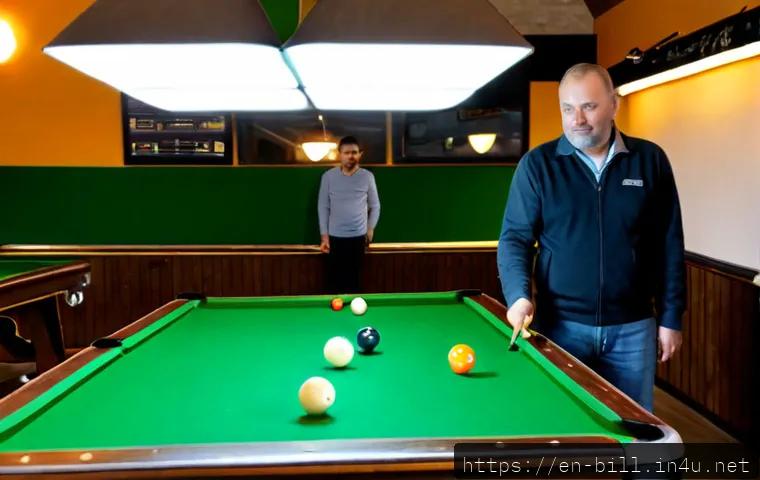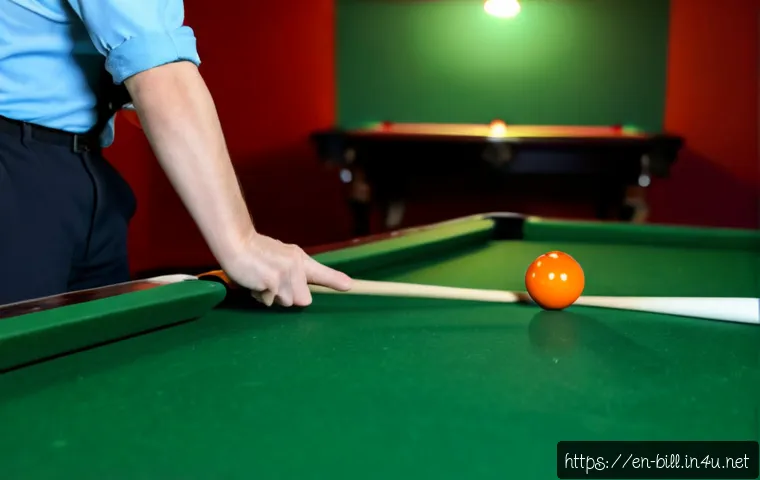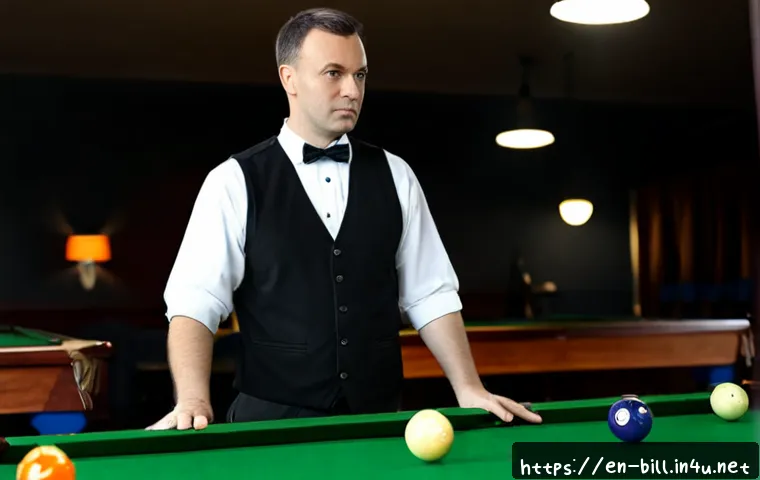
A pool referee keeps matches fair by applying rules, confirming scores, managing fouls, and resolving disputes. Learn the key duties, common decisions, and when organized events need trained officials.
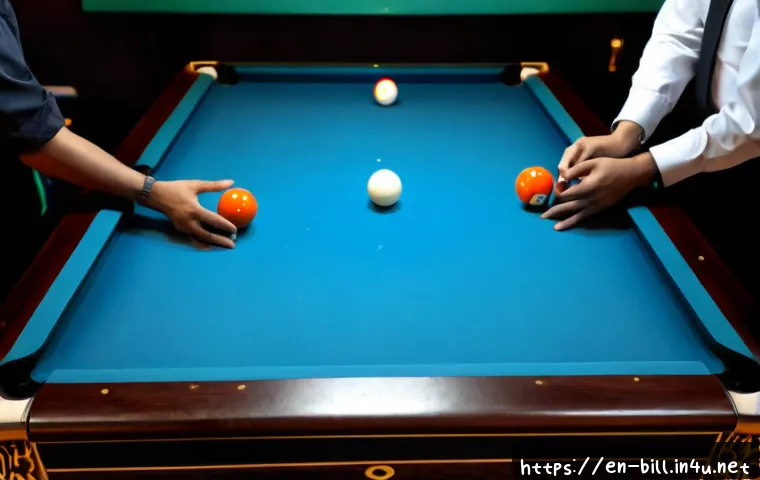
A pool referee applies the rule set for the specific match, calls fouls, confirms scores, and helps keep play orderly and fair. The referee does not coach players or invent rulings; decisions must follow the published rules, format, and observed circumstances.
For casual games, players may call fouls themselves. For larger tournaments, streamed tables, finals, or matches with higher dispute risk, trained tournament officiating can improve consistency and protect event credibility.
Understanding the role also helps players, organizers, and aspiring officials choose the right level of referee support.
At a Glance
- A pool referee applies the event’s rules, monitors play, confirms scores, and calls fouls when assigned.
- Officials must remain neutral and should not give either player coaching or tactical advice.
- Referee support is most useful when match stakes, visibility, event size, or dispute risk increases.
| Match Setup | Best Fit | Decision-Making | Main Consideration |
|---|---|---|---|
| Casual or routine league play | Self-officiated match | Players may call fouls themselves | Works best when players know the rules and accept the format |
| Club event or smaller bracket | Volunteer official | An assigned person helps with scoring and disputed calls | Rule knowledge and consistent communication matter |
| Finals, streamed tables, or higher-stakes play | Trained tournament referee | Official rulings follow the event rulebook and procedure | Useful where credibility, pace, and dispute control are priorities |
The Referee’s Core Job During a Cue-Sports Match
Protecting Fair Play Without Favoring Either Player
The central responsibility of a pool referee is to protect fair play. The referee applies the rule set chosen by the league, tournament, or governing body rather than relying on personal preference. This matters because pool, snooker, and carom billiards can use different rules and officiating procedures.
Neutrality is essential. An official can explain a ruling or direct players to the applicable procedure, but should not suggest a shot, advise on strategy, or provide one player with an advantage. Even a helpful-sounding comment can be seen as unintended coaching.
Monitoring Shots, Fouls, Scores, and Table Conditions
During play, a referee may watch for legal shots, fouls, score changes, turn order, and conditions that affect the match. The exact standard comes from the event’s published rules. A referee also helps ensure that the score display reflects the current state of the match, especially when players, spectators, or a stream depend on it.
Equipment conditions should be addressed before the match begins whenever possible. A clear check of the table, balls, rack process, and scoring method reduces the chance that a later concern turns into an argument.
Giving Clear Rulings and Keeping the Match Moving
A good ruling is clear, brief, and consistent. After observing a situation, the referee should state the decision, apply the relevant procedure, and allow play to continue. Long debates at the table can slow the event and make the official appear uncertain.
When a ruling depends on a particular format, the referee should refer to the event rulebook. If the circumstances were not observed clearly, the correct outcome cannot be assumed without the applicable rules and match details.
When a Match Needs an Official Referee
Self-Officiated League Play Versus Supervised Tournament Play
Not every pool match needs a referee. In some formats, players are expected to call fouls themselves unless an official is assigned. This can be practical for routine league play when participants understand the rules and the match environment is cooperative.
Supervised play becomes more valuable when there is more pressure on a result. A referee can provide a consistent point of reference for foul calls, scoring, rack procedures, and disputes. Organizers should still make the self-officiating or referee-assigned policy clear before play starts.
Event Size, Entry Fees, Streamed Tables, and Dispute Risk
Organizers often use referees more frequently for finals, streamed matches, higher-stakes brackets, or situations where disagreement could delay the schedule. A visible official can help reassure players that the same procedure applies to both sides.
For a paid event, staffing is not only a question of cost. It is also a question of event credibility, match flow, and how disputes will be handled. The more attention a table receives, the more useful a prepared official and a clear escalation procedure can be.
Comparison: Player-Called Fouls, Volunteer Officials, and Trained Referees
Player-called fouls are simple and flexible, but depend heavily on shared trust and rule familiarity. Volunteer officials can improve scorekeeping and help settle routine questions, though organizers should confirm that they understand the event rules. Trained referees are the stronger choice when the event needs consistent rulings, professional communication, and dependable table control.
Decisions Referees Commonly Handle
Fouls, Illegal Contact, and Ball-in-Hand Situations
Referees commonly handle foul decisions and the resulting procedure, which may include ball-in-hand where the applicable rules provide for it. What counts as an illegal contact, how a foul is called, and what happens next can vary by discipline and event format.
Players should avoid assuming that a familiar local rule applies everywhere. The match rulebook, announced format, and observed shot are the basis for a valid ruling.
Score Confirmation, Rack Procedures, and Turn Order
A referee may confirm the score after each rack, monitor rack procedures, and keep turn order clear. These tasks seem routine, but mistakes on a score display or uncertainty about the next player can create avoidable interruptions.
A pre-match briefing should cover break rules, rack procedures, shot clocks, scoring, and equipment conditions. This is one of the simplest ways to prevent confusion later.
Handling Contested Calls Without Escalating Conflict
When players disagree, the official should keep the discussion focused on the rule and the observed event. Calm, neutral language is more effective than arguing about intent. The goal is not to satisfy every person immediately; it is to apply the published procedure consistently.
Organizers should decide in advance who handles an escalation if a table official needs support. That could involve a designated event lead or another approved decision-maker, depending on the tournament structure.
Practical Match Procedure and Mistakes to Avoid

Pre-Match Checks for Rules, Equipment, and Scoring
Before the first break, confirm the rule set, match format, scoring method, rack process, and any shot-clock procedure. Check that the table and equipment are ready for the match. Make sure players know whether fouls are self-called or referee-called.
A tournament staffing checklist should also include the current rulebook, a visible scorekeeping method, table assignments, player briefing points, and an escalation plan for disputed calls.
Neutral Communication and Consistent Positioning Around the Table
Referees should position themselves where they can observe play without interfering with players. Consistent movement and quiet attention make it easier to see relevant contact and reduce distractions around the table.
Communication should be direct: announce a ruling when needed, confirm the score clearly, and avoid unnecessary conversation. Neutral communication protects both the match and the referee’s credibility.
Mistakes That Undermine Trust in an Official’s Ruling
Common avoidable mistakes include inconsistent foul calls, unclear score displays, failing to explain the match procedure before play, and giving a player unintended advice. Another problem is applying a familiar rule from a different discipline without checking the event standard.
Consistency matters more than performance. An official who follows the same process for every player is easier for participants to trust.
Tips for Players, New Referees, and Tournament Organizers
What Players Should Ask Before the First Break
Players should ask which rules apply, whether fouls are player-called or official-called, how racks are handled, how the score is confirmed, and what happens if there is a dispute. These questions are practical, not confrontational. They help both players begin with the same expectations.
How Aspiring Referees Can Build Rule Knowledge and Court Awareness
New referees should study the rules used by the leagues or events where they plan to work. They should also observe experienced officials, practice scorekeeping, and learn how to communicate rulings without coaching. Referee training and certification requirements vary by country, discipline, league, and organizer, so the relevant program should be checked directly.
Staffing Considerations for Clubs, Leagues, and Paid Events
Clubs and tournament organizers should match referee support to the event’s needs. A small self-officiated event may need only clear rules and an escalation contact. A larger bracket may benefit from volunteers assigned to scoring and table oversight. A visible final or streamed table may justify trained officiating as part of the event staffing plan.
Choosing Referee Support for Your Event
Use these decision points before assigning an official:
- Rule knowledge: Does the referee understand the discipline and the event’s specific rulebook?
- Match visibility: Are there streamed tables, finals, or spectator-focused matches?
- Dispute risk: Would a contested foul or scoring error significantly delay the event?
- Communication: Can the official give concise, neutral rulings under pressure?
- Reliability: Is there a clear staffing plan for table coverage, breaks, and escalation?
When selecting referee training, tournament staffing, rulebooks, or scorekeeping equipment, check the official details and conditions on the relevant provider or organizer page before committing.
Closing Thoughts
A pool referee is there to make the match easier to trust, not harder to play. The job combines rule application, score control, neutral communication, and orderly match management. For many casual matches, self-officiating may be enough. For important tables and dispute-sensitive events, prepared officiating can reduce delays and support a more credible tournament experience.
Useful Things to Know
Different disciplines use different procedures: A rule or officiating habit from pool may not apply to snooker or carom billiards.
Briefings prevent problems: Clarifying break rules, rack procedures, shot clocks, and equipment conditions before play can reduce disagreements.
Scorekeeping is part of match control: A correct, visible score helps players and organizers avoid unnecessary disputes.
Important Notes
The correct ruling for a disputed shot depends on the event’s rulebook, match format, and what was actually observed. Referee requirements, certification pathways, fees, and training options vary by country, league, discipline, and event organizer. Always confirm the published rules and local event requirements before assigning an official or making a final call.
Frequently Asked Questions
Q1. Does every pool match need a referee?
A1. No. In some formats, players may be expected to call fouls themselves unless an official is assigned. Whether a referee is required depends on the tournament’s published rules, local requirements, and the organizer’s staffing plan.
Q2. What is the difference between a player-called foul and a referee-called foul?
A2. In player-called formats, participants are responsible for identifying and reporting fouls under the event rules. In referee-called formats, an assigned official monitors the match and makes rulings. The exact procedure depends on the league, discipline, and tournament rulebook.
Q3. How should a tournament organizer choose a qualified pool referee?
A3. Look for relevant discipline knowledge, familiarity with the event rulebook, neutral communication, reliable scorekeeping, and the ability to manage disputed calls calmly. For finals, streamed matches, or higher-stakes brackets, trained tournament officiating may offer better consistency and event credibility.