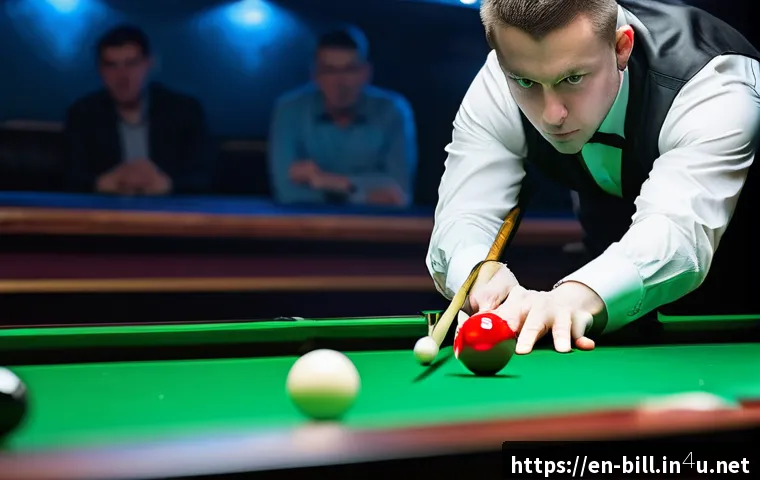
Playing pool isn’t just about sinking balls; it’s also about respecting the game and the people around you. Good manners and proper etiquette can make every match more enjoyable, whether you’re a beginner or a seasoned player.
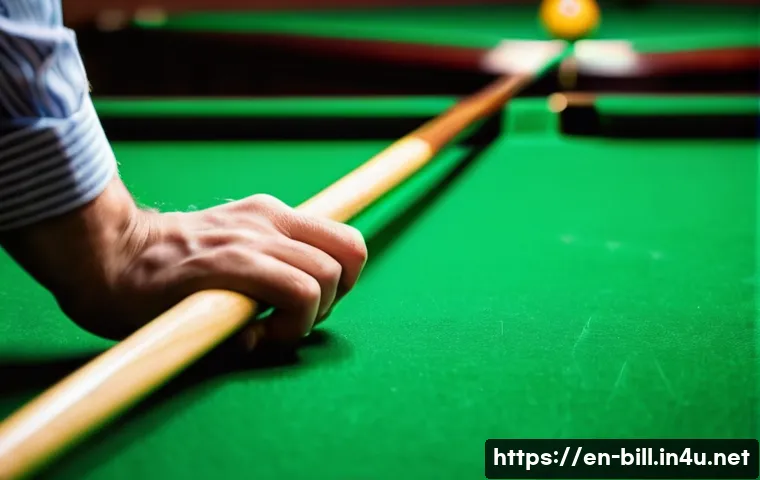
Knowing when to step back, how to communicate politely, and handling equipment responsibly sets the tone for a friendly and competitive atmosphere. I’ve noticed that games flow much smoother when everyone follows these simple rules.
Let’s dive into the key pool etiquette tips that will elevate your experience and impress your fellow players. We’ll explore everything you need to know in detail below.
Mastering the Flow of the Game
Knowing When to Take Your Shot
Taking your shot at the right moment is more than just a matter of timing—it’s about respecting the rhythm of the game. Rushing to shoot can disrupt others’ concentration, while taking too long can cause impatience.
From my experience, a comfortable pace is one that keeps everyone engaged without pressure. When you feel ready, step up confidently, but if you need a moment, a polite “Just a sec” goes a long way in keeping the atmosphere friendly.
I’ve seen games drag on when players hesitate excessively, so striking that balance is crucial for a smooth match.
Giving Others Space and Time
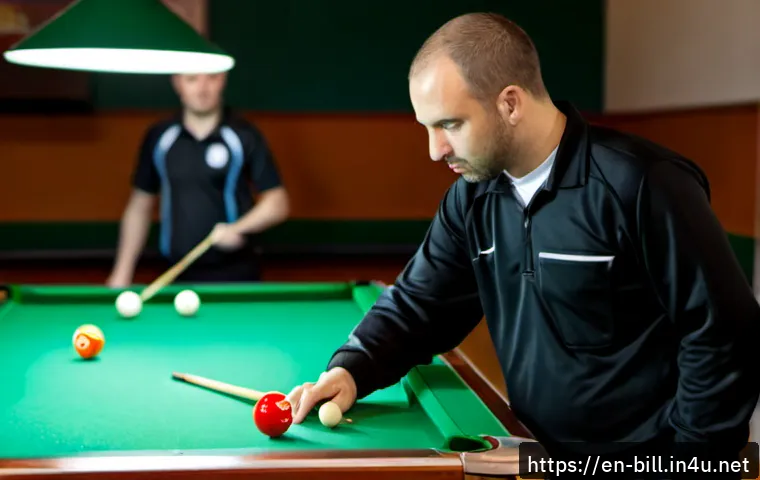
One of the simplest yet most overlooked courtesies is physically stepping back when it’s not your turn. Standing too close or crowding around the table can make opponents uneasy and even affect their shots.
I always try to stand at least a couple of feet away and avoid leaning over the table. This not only shows respect but also helps prevent accidental distractions.
Plus, it keeps the playing area safe and free from unnecessary interruptions. Trust me, a little personal space makes a world of difference in maintaining focus and flow.
Communicating Without Disrupting
Clear and courteous communication is a subtle art in pool. Saying “Nice shot” or “Good luck” adds a positive vibe, but interrupting someone’s concentration with loud comments or jokes can break the momentum.
When discussing rules or clarifying turns, it’s best to keep your tone calm and your words concise. I’ve noticed that when players talk over each other or shout, it quickly turns a fun game into a frustrating experience.
So, a little mindfulness in speech can elevate everyone’s enjoyment.
Handling Equipment with Care and Respect
Proper Cue Handling
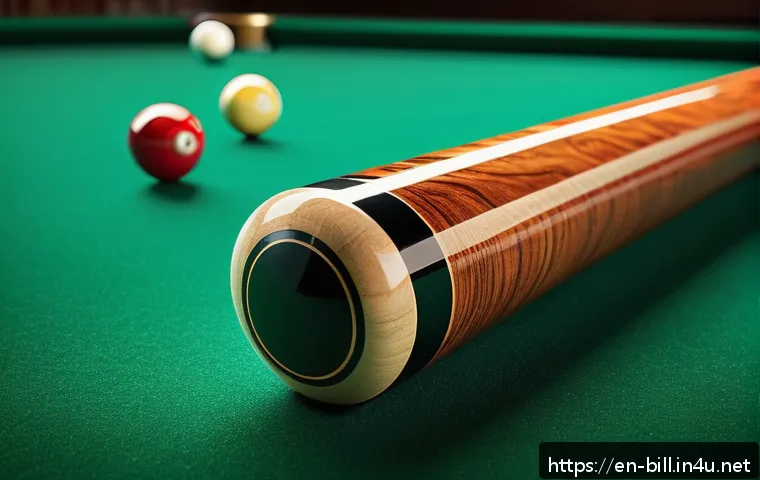
The cue stick is your closest companion in pool, and treating it gently reflects your respect for the game. I always make sure to hold the cue firmly but without unnecessary force.
Avoid banging it on the table or leaning on it heavily, as these actions can damage the wood or throw off your own focus. In fact, when I started paying attention to how I handled my cue, my shots became steadier.
Keeping your equipment in good shape isn’t just practical—it shows you take the game seriously.
Maintaining the Table and Balls
Keeping the playing surface clean and the balls free of dirt ensures fair play and prolongs the life of the equipment. I usually carry a small towel to wipe chalk residue off the cue tip and occasionally clean the balls if they get greasy.
This attention to detail might seem minor, but it significantly affects how the balls roll and react. When everyone pitches in to care for the table, the entire group benefits from smoother, more predictable gameplay.
Returning Equipment Properly
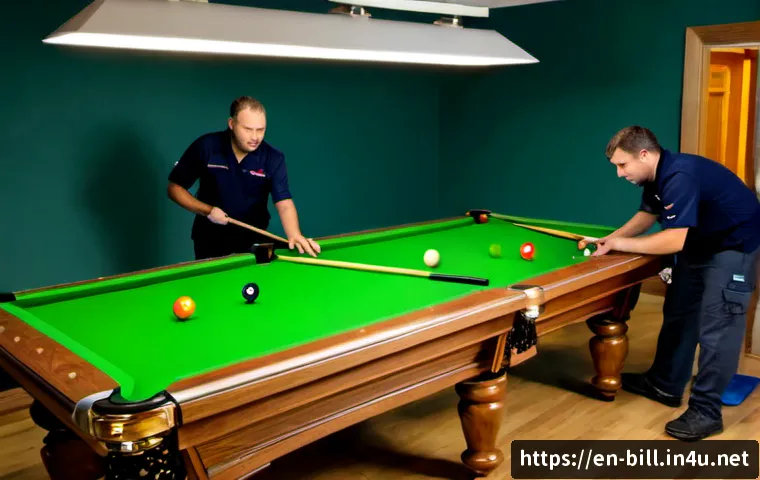
Once the game wraps up, putting everything back where it belongs is a sign of good sportsmanship. I’ve been in situations where equipment was left scattered, causing delays or confusion for the next players.
Taking a minute to rack the balls properly, wipe down the table, and store cues neatly helps maintain the venue’s order and shows respect to both the host and future players.
It’s a small gesture that speaks volumes about your character.
Fostering a Positive Competitive Spirit
Respecting Skill Levels and Learning Curves
Pool is a game for everyone—from novices to seasoned pros—and acknowledging this diversity builds a welcoming environment. I often remind myself to be patient with beginners and offer tips only when asked.
Celebrating small wins and encouraging improvement keeps the mood light and friendly. When players feel supported rather than judged, they’re more likely to enjoy the game and stick around for future matches.
Keeping Celebrations in Check
Winning is exciting, but over-the-top celebrations can dampen the fun for others. I’ve seen matches where a player’s excessive cheering or taunting quickly shifted the vibe from friendly competition to tension.
Showing humility whether you win or lose keeps the energy positive and encourages everyone to keep playing. A simple smile and a handshake go a long way in maintaining respect among players.
Graceful Acceptance of Outcomes
Handling both victory and defeat with grace is key to lasting enjoyment in pool. I’ve learned that accepting losses without excuses and applauding good play fosters mutual respect.
When players demonstrate good sportsmanship, it creates a cycle of positivity that elevates the whole experience. Remember, the goal is to have fun and improve, not just to rack up wins.
Setting the Tone with Personal Conduct
Managing Your Temper
Pool can get intense, especially when shots don’t go your way. I’ve had my fair share of frustrated moments, but keeping cool is essential. Letting anger show can create discomfort and spoil the game for everyone.
Deep breaths, a quick break, or even a bit of humor can help diffuse tension. The best players I know are those who stay composed, no matter the scoreboard.
Being Mindful of Noise Levels
A lively game doesn’t have to mean loud distractions. I make a conscious effort to keep my voice at a reasonable level and avoid banging on the table or cue.
This respect for others’ concentration helps maintain a calm environment where everyone can focus. The difference between a relaxed room and a noisy one is huge—trust me, I’ve played in both.
Sharing the Spotlight
Letting others have their moments to shine is part of good etiquette. I try not to hog the table or dominate the conversation. Encouraging quieter players to take their turns and join in discussions creates a balanced dynamic.
When everyone feels included, the game becomes more enjoyable and memorable for all involved.
Understanding and Following Unspoken Rules
Recognizing When to Offer Advice
Jumping in with unsolicited tips can sometimes be more annoying than helpful. I learned to gauge when a player is open to advice—usually by their body language or direct requests.
Offering guidance in a friendly, non-patronizing way can enhance the experience, but pushing it can backfire. Being sensitive to this nuance shows emotional intelligence and respect.
Respecting Table Time Limits
In busy venues, keeping your game within a reasonable time frame is appreciated. I’ve noticed that prolonged matches can frustrate waiting players and staff.
Setting informal time limits or agreeing on a number of racks beforehand keeps the flow moving and avoids conflicts. This simple awareness helps ensure everyone gets a fair chance to play.
Adapting to Different House Rules
Every pool hall or friendly group may have their own twist on rules. I always ask about local customs before starting a game to avoid awkward misunderstandings.
Being flexible and open-minded about these variations not only smooths gameplay but also shows respect for the host’s traditions. It’s part of the fun to learn new styles and approaches.
Summary of Key Pool Etiquette Practices
| Aspect | Recommended Behavior | Reason |
|---|---|---|
| Shot Timing | Take shots at a steady, respectful pace | Keeps game flow smooth and players engaged |
| Physical Space | Stand back and avoid crowding the table | Prevents distractions and maintains comfort |
| Communication | Speak politely, avoid interruptions | Maintains concentration and friendly atmosphere |
| Equipment Care | Handle cues gently, clean balls and table | Preserves equipment and enhances play quality |
| Sportsmanship | Celebrate modestly, accept outcomes gracefully | Promotes respect and ongoing enjoyment |
| Noise Control | Keep voices low and avoid banging cues | Supports concentration and peaceful play |
| Advice Offering | Provide tips only when welcomed | Prevents annoyance and respects player autonomy |
| Time Management | Limit game length in busy settings | Ensures fair play opportunities for all |
Closing Thoughts
Mastering pool etiquette enhances not just your skills but the entire playing experience. By respecting the game, fellow players, and equipment, everyone enjoys smoother, more engaging matches. These simple yet powerful habits create a welcoming atmosphere that keeps players coming back. Remember, great etiquette is as important as great shots.
Useful Tips to Keep in Mind
1. Always take your shots at a steady pace to maintain the game’s rhythm and keep everyone involved.
2. Give other players enough physical space to avoid distractions and foster comfort at the table.
3. Communicate politely and briefly to support concentration and a positive vibe during the game.
4. Handle cues and balls carefully, and help keep the table clean for a fair and enjoyable match.
5. Stay humble in victory and gracious in defeat to promote respect and lasting enjoyment for all players.
Key Takeaways for Great Pool Etiquette
Good pool etiquette is built on respect—for the game, the equipment, and the people playing. Keeping a balanced pace, giving space, communicating thoughtfully, and caring for equipment all contribute to an enjoyable atmosphere. Equally important is managing emotions and noise, sharing the spotlight, and respecting house rules and time limits. These practices not only improve your own experience but also create a welcoming environment that encourages everyone to play their best and have fun.
Frequently Asked Questions (FAQ) 📖
Q: What are some basic pool etiquette rules I should always follow during a game?
A: One of the most important etiquette rules is to wait your turn patiently and avoid distracting other players while they’re shooting. Always be respectful by keeping noise to a minimum and not walking around the table when someone is lining up a shot.
It’s also good practice to handle the equipment carefully—never slam the balls or hit the table aggressively. I’ve found that simply saying “good shot” or “nice try” after each turn helps keep the atmosphere friendly and supportive, which makes the game more enjoyable for everyone.
Q: How should I communicate politely with my opponents during a pool game?
A: Communication in pool should be positive and clear but never confrontational. If you’re unsure about a rule or a shot, ask politely instead of assuming.
For example, you can say, “Could you clarify if that’s a foul?” or “Mind if I take a closer look?” Avoid trash talking or criticizing others’ skills because it can quickly kill the fun.
From my experience, players who keep the conversation light and encouraging tend to build better rapport and enjoy longer, more competitive matches.
Q: What’s the best way to handle equipment and the pool table to show respect?
A: Treating the equipment with care is a big part of showing respect. Always place your cue stick down gently and avoid leaning or sitting on the table. Make sure to chalk your cue properly without overdoing it, as too much chalk can damage the felt.
I’ve noticed that when players take the time to clean up after themselves and report any damage or issues, it helps maintain the table’s condition and keeps the game fair and fun for everyone involved.