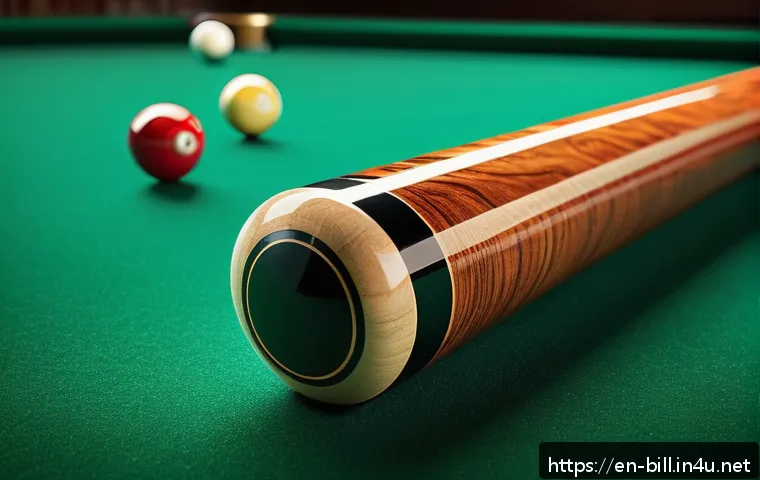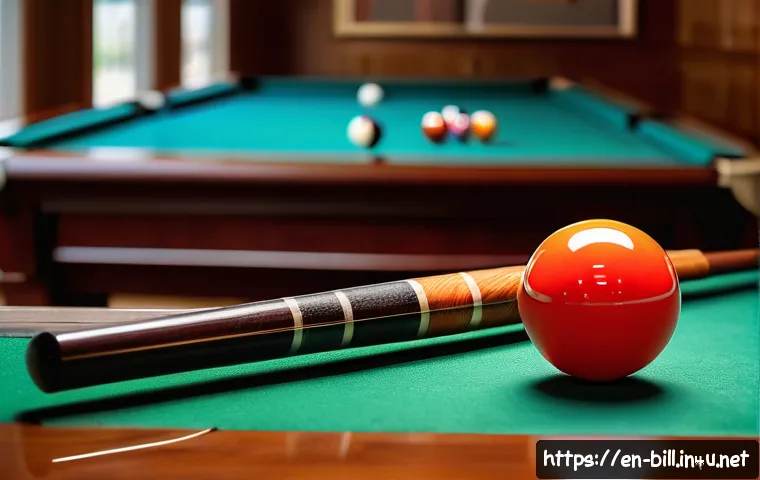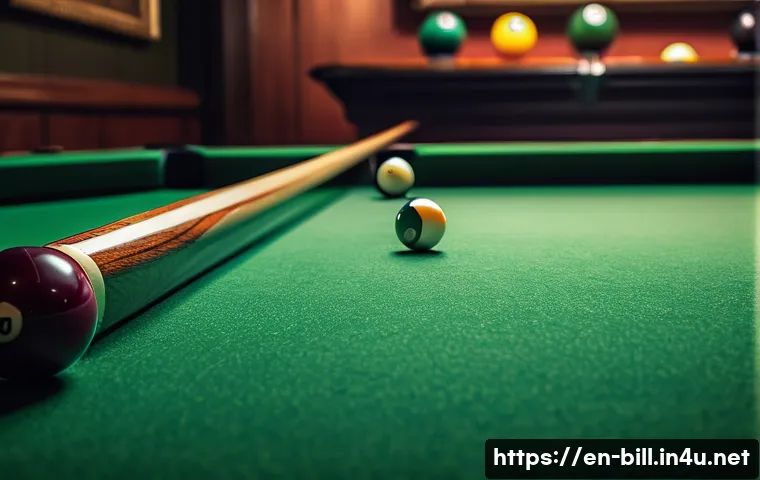
When it comes to playing billiards, the material of your cue can make a surprising difference in your game. Different cue materials affect everything from the feel in your hand to the precision of your shots.
Whether you prefer traditional wood, fiberglass, or even carbon fiber, each offers unique advantages and challenges. Understanding these differences can help you choose a cue that truly complements your style and skill level.
Let’s dive deeper and explore the key characteristics of various cue materials so you can make an informed decision!
The Feel and Balance: How Material Shapes Your Grip
Wood: The Classic Comfort
Wood cues have been the go-to choice for generations, and for good reason. When I first picked up a wooden cue, the natural warmth and slight texture immediately made it feel like an extension of my arm.
The tactile feedback you get from wood is unmatched; it’s not slippery, and it absorbs sweat without becoming uncomfortable. This material also offers a balanced weight distribution that helps with control and smooth strokes.
However, wood can be sensitive to humidity and temperature changes, which means it might warp or swell if not cared for properly. But honestly, that classic feel and the way it responds to every little nuance in your stroke make wood cues a favorite among many players.
Fiberglass: Durability Meets Consistency
Fiberglass cues caught my attention because they promise durability without compromising too much on feel. Unlike wood, fiberglass is resistant to dents, moisture, and warping, making it a solid choice if you tend to play in varying environments or want something low-maintenance.
The feel, though, is a bit different — it’s smoother and less “alive” compared to wood, which some players might find less satisfying. Personally, I found that fiberglass cues offer consistent performance, especially for beginners who benefit from a reliable, sturdy stick that won’t easily get damaged.
The trade-off is that the grip feels a little less natural, but with some chalking and a good wrap, it’s manageable.
Carbon Fiber: The High-Tech Revolution
Stepping into the world of carbon fiber cues is like entering a new dimension of billiards gear. When I tried a carbon fiber cue, I was amazed by its lightweight feel combined with incredible stiffness.
This means less deflection on shots and improved accuracy, which can give a competitive edge. Carbon fiber cues also resist temperature and moisture changes superbly and require minimal upkeep.
One thing to note, though, is that the grip can feel slick if you’re not used to it, and the sound on impact is noticeably different—some players love it, others don’t.
For those serious about precision and performance, carbon fiber cues are definitely worth considering.
Longevity and Maintenance: What Keeps Your Cue Game-Ready?
Wood’s Need for TLC
Wood cues demand a bit more attention than synthetic materials. From my experience, regular cleaning and occasional conditioning with special oils are necessary to prevent drying out or cracking.
I learned the hard way that leaving a wooden cue in a hot car or damp basement can ruin its straightness and performance. While it might seem high maintenance, many players enjoy the ritual of caring for their wood cues—it deepens the connection with the equipment and even helps you notice subtle changes in your stroke.
Easy Upkeep with Fiberglass
Fiberglass’s resistance to weather and impact means it can handle rougher treatment without losing its shape or finish. Cleaning is as simple as wiping it down with a damp cloth, and you won’t have to worry about warping or splintering.
I’ve seen players use fiberglass cues casually or in outdoor settings where wood would be impractical. The durability factor makes fiberglass cues a practical choice for those who want less fuss and more playtime.
Carbon Fiber’s Minimal Fuss
Carbon fiber cues are arguably the easiest to maintain. Their synthetic nature means they’re impervious to moisture and temperature swings, and they don’t require any special oils or treatments.
From my use, they just need a quick wipe now and then to remove chalk dust or fingerprints. This minimal maintenance is perfect for players who want a high-performance cue without the worry of damage from everyday use.
Performance and Precision: Which Material Helps You Sink More Shots?
Wood’s Natural Feedback for Skill Refinement
The subtle vibrations and feel you get from wood cues give immediate feedback on every shot, which can help improve your stroke mechanics over time. I noticed that when I switched to a wooden cue from a synthetic one, I became more conscious of my hand positioning and follow-through because the cue’s response was so sensitive.
This heightened awareness is great for developing consistency and fine-tuning your game.
Fiberglass’s Consistent but Less Responsive Nature
Fiberglass cues deliver a steady, predictable performance that’s great for beginners or casual players who want reliability without surprises. However, the lack of nuanced feedback can make it harder to detect small errors in stroke or aim, which might slow down skill improvement.
From my experience, fiberglass cues are excellent for maintaining a steady game but might not offer the same growth potential as wood or carbon fiber.
Carbon Fiber’s Precision Boost
Carbon fiber cues excel in reducing deflection and improving shot accuracy. When I tested a carbon fiber cue during a local tournament, I immediately noticed tighter control and sharper shot alignment, especially on tricky angles.
The rigidity of the material means less energy loss and a more direct transfer of power to the cue ball, which can translate into more consistent shot-making under pressure.
Cost Considerations: Finding the Right Balance Between Price and Performance
Wood: Affordable to Premium
Wood cues come in a wide range of prices, from budget-friendly models perfect for beginners to high-end handcrafted pieces for pros. When I was shopping for my first cue, I found that mid-range wood cues offered the best value, delivering solid performance without breaking the bank.
The craftsmanship and type of wood significantly influence the price, so it’s worth trying a few to find one that feels right.
Fiberglass: Budget-Friendly Durability
Fiberglass cues tend to be among the more affordable options, especially when compared to premium wood or carbon fiber cues. This makes them a great choice if you’re just starting out or want a durable secondary cue.
I’ve seen fiberglass models priced competitively, and they often come with protective finishes that add to their lifespan without extra cost.
Carbon Fiber: Premium Investment
Carbon fiber cues are generally on the higher end price-wise, reflecting their advanced materials and technology. When I first considered buying one, the upfront cost was a bit daunting, but I justified it by thinking about the long-term durability and improved play.
For serious players or those competing regularly, the investment can pay off in better performance and fewer replacements.
Grip and Shaft Options: Tailoring Your Cue to Your Style
Wraps and Finishes for Comfort
Regardless of the base material, the grip wrap plays a huge role in how the cue feels during play. I’ve experimented with leather, linen, and rubber wraps, and each offers a distinct sensation—leather gives a traditional, firm hold; linen is breathable and less sticky; rubber provides a tacky, modern grip.
Choosing the right wrap can enhance your control and reduce hand fatigue, especially during long sessions.
Shaft Flexibility and Tip Compatibility
The shaft material affects not just the feel but also the cue’s responsiveness. Wood shafts tend to have a bit of natural flex, which some players prefer for a softer touch, while fiberglass and carbon fiber shafts are stiffer, offering quicker feedback and less deflection.
I found that matching the shaft stiffness with the tip hardness is crucial. A softer tip on a stiff shaft can feel harsh, while a harder tip on a flexible shaft can dull the shot’s precision.
Environmental Impact and Sustainability: A Growing Concern
Wood Sourcing and Ethical Choices
Sustainability is something I didn’t think much about until I learned how certain exotic woods used in cues can be environmentally sensitive. Some manufacturers now focus on responsibly sourced or reclaimed wood, which adds a feel-good factor to your purchase.
Choosing cues made from certified sustainable wood helps reduce your carbon footprint while still enjoying that classic feel.
Fiberglass and Carbon Fiber: Synthetic Footprints
Fiberglass and carbon fiber are synthetic materials with different environmental impacts. While they offer durability and longevity, their production involves energy-intensive processes and non-biodegradable components.
That said, their extended lifespan means fewer replacements, which can offset some environmental costs. Some newer brands are exploring recycled composites to create more eco-friendly options, which is promising for the future.
| Material | Feel | Durability | Maintenance | Performance | Price Range | Environmental Impact |
|---|---|---|---|---|---|---|
| Wood | Warm, natural, tactile | Moderate; sensitive to moisture and temperature | Regular conditioning and careful storage | High feedback, great for skill refinement | $50 – $500+ | Depends on sourcing; sustainable options available |
| Fiberglass | Smooth, less natural | High; resistant to warping and dents | Simple cleaning; low upkeep | Consistent but less responsive | $30 – $150 | Energy-intensive production; durable |
| Carbon Fiber | Lightweight, stiff, modern | Very high; resists moisture and damage | Minimal maintenance | Excellent precision and accuracy | $150 – $600+ | High production impact; long-lasting |
In Conclusion
Choosing the right cue material significantly impacts your playing experience, from feel and maintenance to performance and cost. Whether you prefer the classic warmth of wood, the reliable durability of fiberglass, or the cutting-edge precision of carbon fiber, understanding these differences helps you make a confident choice. Ultimately, the best cue is one that matches your style and elevates your game.
Useful Information to Keep in Mind
1. Wood cues offer unmatched tactile feedback but require regular care to maintain their condition and performance.
2. Fiberglass cues are budget-friendly and tough, perfect for beginners or players needing low-maintenance gear.
3. Carbon fiber cues provide superior accuracy and durability, making them ideal for serious players despite the higher price.
4. The choice of grip wrap and shaft stiffness can greatly influence comfort and shot control during long sessions.
5. Environmental considerations are growing; opting for sustainably sourced wood or exploring eco-friendly composites is becoming more important.
Key Takeaways
Selecting a cue involves balancing feel, durability, maintenance, performance, and budget. Wood cues excel in natural feedback but demand care, fiberglass offers practical resilience with consistent play, and carbon fiber delivers precision with minimal upkeep at a premium cost. Don’t overlook the importance of grip and shaft compatibility to enhance control. Finally, consider the environmental footprint of your choice to support sustainable practices in the sport.
Frequently Asked Questions (FAQ) 📖
Q: How does the material of a billiard cue affect my gameplay?
A: The material of your cue can significantly influence your control, shot accuracy, and overall feel. For example, wooden cues offer a classic, natural grip and excellent feedback, making them ideal for players who prefer a traditional touch.
Fiberglass cues are more durable and resistant to warping, which can be great for casual or beginner players. Carbon fiber cues, on the other hand, provide exceptional stiffness and consistency, helping advanced players achieve precise shots with less vibration.
So, depending on your skill level and playing style, the cue material can either enhance your performance or make the game feel less comfortable.
Q: Is it better to choose a wooden cue or a carbon fiber cue?
A: It really depends on what you value most in your game. Wooden cues have a timeless appeal and offer a warm, tactile feel that many players love. They do require some maintenance, like avoiding moisture, but the natural flex and feedback can help you develop better stroke control.
Carbon fiber cues are more high-tech, offering superior durability and a consistent hit every time. They’re less affected by environmental factors and often lighter, which some players find easier to handle.
Personally, I found that switching to a carbon fiber cue improved my shot consistency, especially during long sessions, but some players still swear by the traditional feel of wood.
Q: Can the cue material influence how much spin I can put on the cue ball?
A: Yes, the cue material can affect how you apply spin or “English” on the cue ball. A stiffer cue, like one made from carbon fiber, tends to transfer more energy efficiently, which can help in putting precise spin without losing power.
Wooden cues, while slightly more flexible, give you better tactile feedback, which can be useful for fine-tuning your spin control through feel. Fiberglass cues fall somewhere in between but might lack the subtle feedback needed for advanced spin techniques.
From my experience, once you get used to the feel of your cue’s material, you can achieve excellent spin control regardless, but the material can make that learning curve easier or harder.