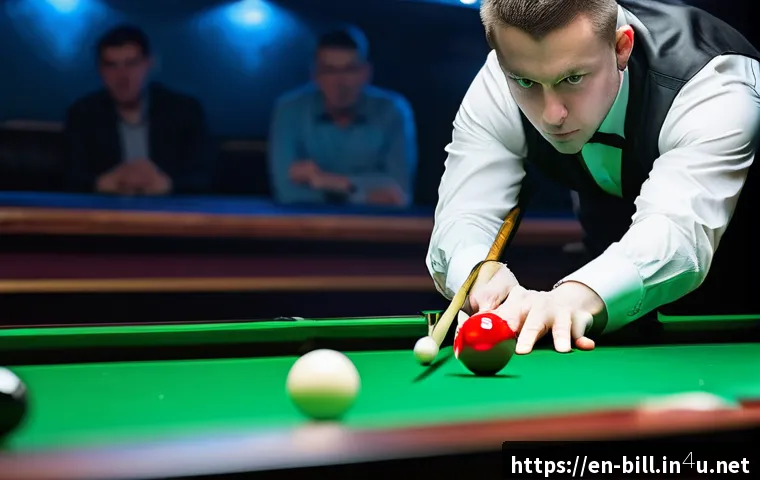
The evolution of billiards techniques reflects centuries of innovation, blending skill, strategy, and precision. From the early days of simple stick-and-ball play to the highly refined shots seen in professional tournaments today, players have continuously pushed the boundaries of what’s possible on the table.
Advances in equipment and training methods have also played a crucial role in shaping modern gameplay. Understanding this rich history not only deepens appreciation for the sport but also reveals how past breakthroughs influence current trends.
Let’s dive in and explore the fascinating journey of billiards skill development in detail!
Mastering Cue Control: The Foundation of Precision
Understanding Stroke Mechanics
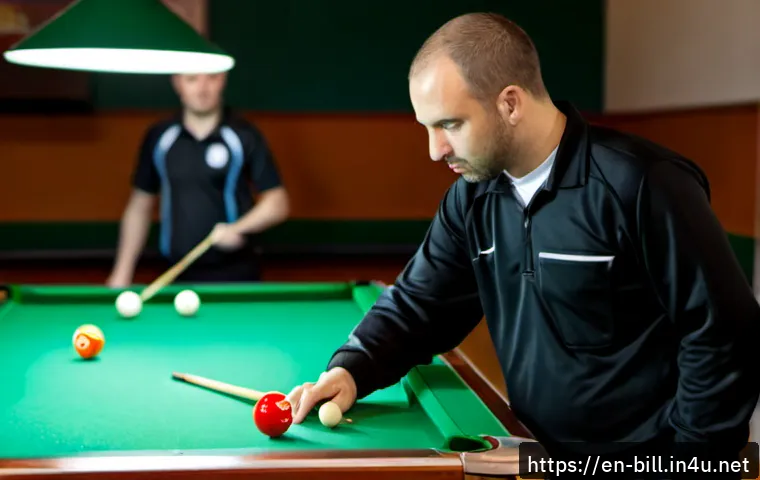
Getting a solid stroke is the bedrock of any skilled billiards player’s arsenal. From my own experience, the way you grip the cue and the fluidity of your arm movement can make or break your shot.
Early on, I realized that a jerky or inconsistent stroke leads to unpredictable cue ball behavior. Professional players today emphasize a smooth, pendulum-like motion to maintain control and accuracy.
This technique evolved from centuries of trial and error, with players gradually refining their grip pressure and elbow positioning to maximize consistency.
The subtle nuances—like how your wrist aligns at the moment of impact—are what separate an average shot from a killer one. Mastering this mechanical aspect sets the stage for more advanced skills like spin and power shots.
Role of Follow-Through and Cue Elevation
Another critical factor in cue control is the follow-through, which many beginners overlook. I remember struggling with this until I consciously extended my stroke beyond just hitting the ball.
The follow-through helps stabilize the cue and ensures that the cue ball travels along the intended line. Equally important is cue elevation—tilting the cue slightly upward or downward affects the shot’s trajectory and spin.
Historically, players used mostly flat strokes, but modern billiards incorporates angled shots to manipulate the cue ball’s path more creatively. This evolution in technique, supported by improved cues and tables, allows for shots that were once thought impossible.
Developing Consistent Bridge Techniques
The bridge hand, supporting the cue, plays a surprisingly large role in shot accuracy. Over time, players have developed various bridge styles—open, closed, rail, and mechanical—to suit different shots and personal comfort.
When I first switched from an open bridge to a closed one for certain shots, my control improved drastically. The choice of bridge affects stability and allows for more precise aiming, especially on delicate shots.
This adaptability in bridge techniques reflects how players have learned to adjust their stance and grip to the demands of increasingly complex shot-making.
Strategic Shot Selection: Thinking Several Moves Ahead
Reading the Table Layout
Beyond raw skill, the mental aspect of billiards is crucial—knowing which shot to take and when can change the entire game. I’ve found that the best players don’t just focus on pocketing balls but anticipate the cue ball’s final position to set up the next shot.
This strategic thinking evolved from early players simply trying to pot balls to modern professionals who treat each shot as part of a larger plan. The ability to quickly assess angles, obstacles, and ball clusters requires both experience and a deep understanding of physics.
Watching tournaments, it’s clear how top players visualize multiple shots ahead, almost like chess.
Safety Plays and Defensive Tactics
Not every shot is about scoring; sometimes, playing safe is the smartest move. Defensive tactics have become a key part of advanced billiards strategy.
From my personal matches, I’ve learned that when you can’t make a good offensive shot, positioning the cue ball to limit your opponent’s options can be just as effective.
This skill requires precision and a cool head, especially under pressure. Over decades, players have developed “safety shots” to snooker opponents or force errors, turning the tide of a match.
Mastery of defensive play shows a sophisticated level of game management.
Utilizing Spin for Strategic Advantage
Spin, or “English,” is not just a flashy trick but a strategic tool. By applying side, top, or backspin, players can control the cue ball’s movement after contact, setting up better positions for subsequent shots.
I recall the first time I successfully used backspin to pull the cue ball away from a cluster—it felt like unlocking a new dimension of the game. This technique has been refined through centuries, with modern players experimenting with spin angles and speeds that earlier generations might never have imagined.
Using spin effectively can transform a difficult table layout into an opportunity.
Technological Innovations Shaping Modern Gameplay
Advancements in Cue Design and Materials
The cues used today are a far cry from the simple wooden sticks of the past. Modern cues incorporate carbon fiber, fiberglass, and layered hardwoods that enhance durability and responsiveness.
I’ve personally tested cues with low-deflection shafts that drastically improve shot accuracy, especially on long shots. These innovations arose from players’ demands for better equipment that complements their refined techniques.
The balance, weight distribution, and tip materials have all been optimized to suit various playing styles, allowing for more consistent performance and less fatigue during long matches.
High-Tech Training Tools and Simulators
Training has also transformed thanks to technology. Virtual simulators and video analysis software now let players dissect their shots frame-by-frame.
When I started using these tools, it was eye-opening to see subtle flaws in my stroke and positioning that weren’t obvious in real-time play. Coaches and players can now provide targeted feedback, accelerating skill development.
This tech-driven approach complements traditional practice, offering a blend of muscle memory and cognitive understanding. The rise of online tutorials and apps further democratizes access to expert knowledge, helping amateurs sharpen their game like never before.
Improved Table Surfaces and Cloths
The playing surface itself has evolved to enhance consistency and speed. Modern billiard tables use precision-engineered slate beds and high-quality cloths made from worsted wool blends.
I noticed a huge difference switching from older tables to ones with these premium materials—the ball roll is smoother, and spin reacts more predictably.
Over time, manufacturers have focused on reducing friction and maintaining cloth integrity under heavy use. This attention to detail allows players to execute complex shots with greater confidence.
The interplay between equipment and player skill is a dynamic that continues to push the sport forward.
Refining Advanced Techniques: The Art of Spin and Positioning
Mastering English and Masse Shots
Advanced players often turn to techniques like English and masse to solve tricky table situations. English involves putting side spin on the cue ball to alter its path, while masse requires elevating the cue almost vertically to curve the ball around obstacles.
I vividly remember the challenge of learning masse—it demands precise cue elevation and control to avoid fouls. These shots add a layer of creativity and problem-solving to billiards, transforming it from a simple game of potting balls into an art form.
Their development showcases how players continuously push the limits of physics to gain an edge.
Controlling Cue Ball Speed for Positioning
It’s not just about where the cue ball ends up, but also how fast it gets there. Speed control is essential for setting up the next shot and avoiding clusters.
Through many hours of practice, I found that subtle variations in stroke power can produce dramatically different outcomes. Players have refined this skill by experimenting with different tip pressures and stroke lengths.
The ability to “soft roll” or “power through” with precision gives a player a strategic advantage, especially in tight games. This aspect of billiards requires a deep tactile sense and muscle memory that only comes from consistent practice.
Integrating Multiple Techniques in Complex Shots
One of the most impressive sights in professional billiards is a shot that combines spin, speed control, and precise aim seamlessly. Such shots often require multiple techniques working in concert, demonstrating a player’s full command over the game’s fundamentals.
When I first pulled off a shot that involved backspin with side English and perfect speed, it was a breakthrough moment. It highlighted how the evolution of billiards techniques is not about isolated skills but their integration.

This holistic mastery is what defines champions and keeps spectators captivated.
Historical Milestones and Their Impact on Today’s Play
From Casual Pastime to Competitive Sport
Billiards began as a leisurely activity played outdoors and gradually moved indoors, gaining structure and rules along the way. This transition marked the first major milestone in its evolution.
I’ve always been fascinated by how early players adapted outdoor lawn games into the indoor table format, which demanded more precision. The codification of rules in the 19th century standardized gameplay, allowing competitions to flourish.
This formalization laid the groundwork for modern tournament play, where skill and strategy are paramount.
Influential Players and Their Signature Techniques
Throughout history, certain players have revolutionized the game with unique styles and strategies. Legends like Willie Hoppe introduced new stroke techniques and safety play that are still taught today.
I remember reading about how Hoppe’s emphasis on finesse over brute force shifted the sport’s philosophy. These pioneers didn’t just win titles; they inspired generations to innovate.
Their contributions are a testament to how individual creativity can shape an entire sport’s trajectory.
Rule Changes and Equipment Standardization
Adjustments in rules and equipment standards have also influenced how billiards is played. For example, the introduction of standardized ball sizes and table dimensions created a level playing field for competitors worldwide.
When I played in regional tournaments, I noticed how strict adherence to these standards improved fairness and competition quality. Such changes reflect the sport’s maturation and the desire to unify diverse playing styles under common regulations.
This ongoing evolution ensures billiards remains both challenging and accessible.
Practice Methodologies that Accelerate Skill Growth
Focused Drill Routines
Effective practice is more than just repetitive play—it’s about targeted drills that develop specific skills. Early in my journey, I found that working on cue ball control drills dramatically improved my overall game.
These exercises isolate elements like speed, spin, and angle, allowing for focused improvement. Over time, professional coaches have developed structured routines that balance technical skill-building with tactical awareness.
Incorporating such drills into daily practice accelerates progress and builds confidence.
Visualization and Mental Rehearsal
Mental training is often overlooked but is a powerful tool. Visualization techniques help players anticipate shot outcomes and reduce performance anxiety.
I’ve personally used mental rehearsal before matches, imagining each shot and cue ball path in vivid detail. This practice sharpens focus and prepares the mind for real-time decision-making.
Sports psychologists now recognize this as a key component of high-level billiards training, underscoring the importance of mind-body synergy.
Feedback Loops and Video Analysis
Recording practice sessions and reviewing footage provides invaluable insights. Watching myself play helped identify bad habits and refine techniques that felt right but were flawed.
This feedback loop, combined with coaching input, forms a cycle of continuous improvement. Modern players increasingly rely on video tools to track progress and adjust strategies.
This methodical approach transforms practice from guesswork into a science-backed regimen.
| Technique | Description | Impact on Gameplay |
|---|---|---|
| Stroke Mechanics | Refined cue grip and smooth arm movement | Improves shot consistency and accuracy |
| Spin Control | Applying side, top, or backspin to cue ball | Enables precise cue ball positioning and complex shots |
| Safety Play | Defensive shots to limit opponent’s options | Strategic advantage by forcing errors or snookers |
| Advanced Shots (Masse, Jump) | Curving or jumping cue ball over obstacles | Expands shot repertoire and problem-solving |
| Technological Training Aids | Simulators and video analysis tools | Accelerates skill development and technique refinement |
| Equipment Innovations | Low-deflection shafts, improved cloths, precision tables | Enhances shot precision and overall gameplay quality |
The Role of Physical Conditioning in Billiards Excellence
Building Endurance and Stability
Though billiards might seem sedentary, physical conditioning plays a vital role in maintaining focus and stability during long matches. I’ve noticed that improved core strength and balance help me hold steady shots without fatigue.
Many top players incorporate light exercise and stretching routines to enhance endurance, which is crucial during tournaments lasting several hours. This physical preparation reduces tremors and promotes consistent performance under pressure.
Hand-Eye Coordination and Fine Motor Skills
Precision in billiards depends heavily on hand-eye coordination and refined motor control. I practiced drills involving small object manipulation and reaction time to sharpen these skills.
Over time, such exercises translated directly into better cue control and shot execution. Professional players often cross-train with activities like table tennis or darts to maintain these critical skills.
This cross-disciplinary approach highlights how physical and cognitive abilities intertwine in billiards mastery.
Managing Mental and Physical Fatigue
Long matches can drain both mind and body, affecting decision-making and shot accuracy. Learning to manage fatigue through breathing techniques and pacing has been a game-changer for me.
Top competitors use mental breaks and physical relaxation methods between frames to reset focus. This holistic approach to conditioning ensures that players stay sharp throughout the competition, demonstrating that success in billiards is as much about endurance as skill.
In Conclusion
Mastering cue control and strategic thinking forms the backbone of billiards excellence. Combining refined techniques with modern technology and physical conditioning elevates a player’s game to new heights. Whether you’re a beginner or an advanced player, embracing both mental and physical aspects will lead to consistent improvement. The journey is as rewarding as the victories, with every shot offering a chance to grow and innovate.
Useful Information to Keep in Mind
1. Consistent stroke mechanics and smooth follow-through are essential for precise shots and reliable cue ball control.
2. Strategic shot selection, including safety plays and spin utilization, can significantly influence the outcome of a match.
3. Modern equipment innovations, such as low-deflection shafts and premium cloths, enhance accuracy and gameplay quality.
4. Mental training methods like visualization and video analysis help identify weaknesses and accelerate skill development.
5. Physical conditioning, including endurance and fine motor skill exercises, supports sustained focus and stability during long matches.
Key Takeaways for Billiards Success
Achieving mastery in billiards requires a balanced approach that blends technical skill, strategic insight, and physical preparedness. Developing a smooth, controlled stroke combined with smart shot planning creates a foundation for competitive play. Leveraging technological tools and maintaining mental focus accelerate learning and performance consistency. Finally, staying physically fit and managing fatigue ensures peak execution throughout every frame. Embracing these elements will set you apart and keep your game evolving.
Frequently Asked Questions (FAQ) 📖
Q: How have billiards techniques evolved over time?
A: Billiards techniques have come a long way from the straightforward stick-and-ball approach of centuries ago. Early players focused mostly on basic shots, but as the sport matured, innovators introduced spin, angle control, and complex shot patterns.
The refinement of stroke mechanics and strategic play has been a gradual process, influenced by both trial and error and the emergence of competitive tournaments.
Personally, when I started playing, I noticed how mastering spin dramatically improved my control—something early players couldn’t fully exploit. Modern techniques blend physics and finesse, making the game much more dynamic than before.
Q: What role has equipment advancement played in shaping modern billiards?
A: Equipment improvements have been game-changers in billiards. Early tables and cues were quite rudimentary, often limiting the precision players could achieve.
Today’s cues are engineered with advanced materials for better balance and feedback, while tables have standardized cloths and cushions that enhance ball response.
From my experience, switching to a high-quality cue made a noticeable difference in shot accuracy and consistency. These advancements allow players to execute shots that were once nearly impossible, pushing the sport into new realms of skill and strategy.
Q: Why is understanding the history of billiards important for players today?
A: Knowing billiards history enriches a player’s appreciation for the game and informs better technique development. When you understand how past players overcame challenges and discovered new shot methods, it inspires innovation and respect for the craft.
For example, learning about the evolution of the masse shot helped me grasp how applying extreme spin can change a shot’s trajectory. This historical insight encourages players to experiment while grounding their skills in proven fundamentals, ultimately leading to more confident and creative gameplay.