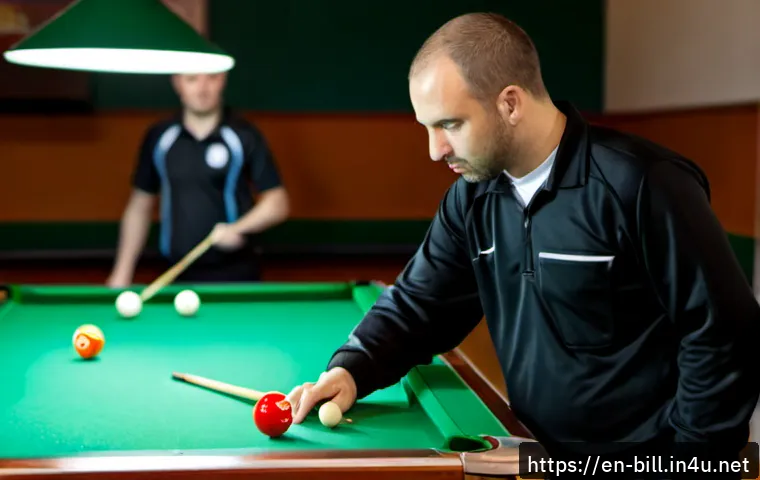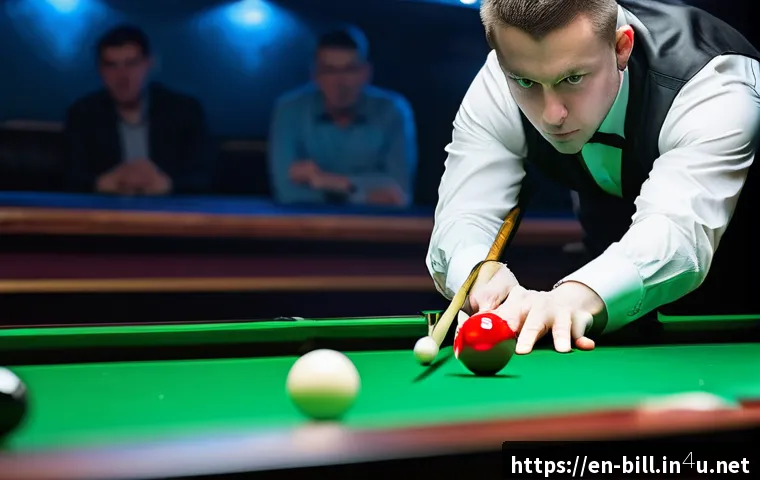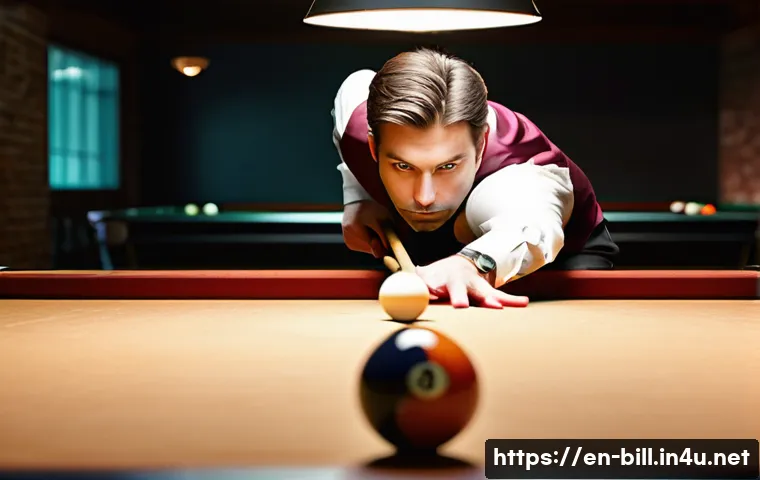
Mastering practical skills in billiards can transform your casual game into a competitive edge. Whether you’re aiming for precision shots or strategic positioning, understanding real-game scenarios is key.
Many players find that theory alone isn’t enough without applying techniques under pressure. Improving your shot accuracy and cue control often leads to more consistent wins and greater enjoyment.
From break shots to defensive plays, each moment in a match offers a chance to sharpen your skills. Let’s dive deeper and explore how you can elevate your billiards game with actionable tips and insights.
I’ll guide you through the essentials so you can confidently apply them on the table!
Refining Your Stance and Stroke for Consistency
Building a Stable Foundation
The way you position your body before taking a shot can make or break your accuracy. I’ve noticed that when I’m off-balance or too tense, my shots tend to veer off course.
Ideally, your feet should be shoulder-width apart, giving you a grounded feel without stiffness. Leaning slightly forward helps you keep your eyes aligned with the cue, which is crucial for aiming.
A stable stance reduces unnecessary movements, letting you focus solely on your stroke. Take a moment to breathe and settle into your posture before every shot; it’s surprising how much this simple step can improve your game.
Mastering a Smooth, Controlled Stroke
One of the biggest challenges I faced when starting out was rushing the cue action. A jerky stroke leads to unpredictable ball paths. What really helped me was practicing slow, deliberate strokes that build muscle memory.
Your cue should move in a straight line, and your grip needs to be firm but relaxed, almost like holding a bird gently in your hand. Over time, this balance between control and fluidity becomes second nature.
Also, avoid tensing your wrist too much—keeping it flexible can dramatically enhance your cue ball control.
Synchronizing Eyes, Hands, and Mind
There’s a mental rhythm to billiards that’s easy to overlook. When your eyes, hands, and brain are synced, your shots feel effortless. I found that training myself to visualize the path of the cue ball before striking makes a huge difference.
It’s like rehearsing the shot in your head, which helps align your physical movements with your intention. This mental rehearsal is something pro players swear by, and practicing it can boost your confidence and shot execution under pressure.
Reading the Table and Predicting Ball Behavior
Understanding Angles and Rebounds
When you’re new to the game, it’s easy to forget how much the cushions influence ball direction. I learned the hard way that neglecting to consider cushion rebounds leads to missed shots or poor positioning.
The key is to think in terms of angles—imagining the path as if the cushion were a mirror reflecting the ball’s trajectory. This helps you predict where the cue ball and object balls will end up after contact.
Over time, you develop an intuitive sense of these angles, turning what once felt like guesswork into calculated moves.
Assessing Ball Speed and Spin Effects
Speed and spin play massive roles in how balls behave post-impact. I used to hit the cue ball too hard, only to see it bounce unpredictably or scratch in a pocket.
Learning to modulate your shot power depending on the situation is essential. Applying top spin, backspin, or side spin can alter the cue ball’s path, but it requires practice to control effectively.
Experimenting with different stroke speeds and cue tip placements during practice sessions can reveal how subtle changes create distinct outcomes on the table.
Using Table Layout to Plan Multiple Shots Ahead
Great billiards players don’t just think about the current shot—they strategize several moves ahead. When I started trying to anticipate the sequence of shots, my success rate improved noticeably.
This involves positioning the cue ball not just to pocket the current ball, but to set up an easier next shot. By constantly scanning the table layout and envisioning your ball’s future positions, you can shift from reactive play to proactive control, which is a game-changer in competitive settings.
Advanced Cue Ball Control Techniques
Mastering Draw and Follow Shots
Draw and follow shots are foundational for advanced cue ball control. I remember struggling with the draw shot initially because it felt unnatural to hit below the center of the cue ball.
With persistent practice, I began to feel the difference in cue ball response—drawing it back after contact or following through to push it forward. These skills are vital for maneuvering around clusters of balls or setting up precise next shots.
Getting comfortable with these shots opens up a lot more options during a match.
Applying Side Spin for Positioning
Side spin, or “English,” can seem intimidating but offers incredible strategic value once mastered. I found that the key is subtlety; overusing side spin can cause unintended deflections or double hits.
Start by applying light side spin to nudge the cue ball’s path, then observe how it interacts with the cushions. This technique can help you avoid scratches or position the cue ball behind other balls for better shot sequences.
It’s like adding a secret weapon to your arsenal that many casual players overlook.
Controlling Speed to Influence Ball Interaction
The pace at which you strike the cue ball influences how object balls react, especially when they cluster. I’ve noticed that softer shots tend to keep balls closer, while harder hits scatter them more.
Understanding this dynamic allows you to control the table layout more effectively. When playing defensively, gentle taps can leave your opponent with tricky shots.
Conversely, aggressive shots can break up clusters and open up the table for offensive plays. Balancing speed and spin is a subtle art that greatly enhances your tactical options.
Strategic Safety Plays and Defensive Tactics
Executing Effective Safety Shots
Safety shots are often undervalued by beginners but are crucial for controlling the flow of the game. I’ve learned that sometimes conceding an offensive shot to force your opponent into a tough position wins you the frame.
An effective safety involves hiding the cue ball behind other balls or placing it where your opponent’s options are limited. This requires precision and a good understanding of table layout.
The goal is to make your opponent’s shot so difficult that they risk fouling or missing, giving you the upper hand.
Reading Opponent Tendencies for Better Defense
Knowing your opponent’s strengths and weaknesses can dramatically improve your defensive strategy. I often try to observe their shot preferences and comfort zones during the game.
For example, if they struggle with long shots or certain angles, positioning the cue ball to force those shots can tilt the match in your favor. This psychological edge, combined with solid safety play, can frustrate opponents and lead to mistakes.
It’s a subtle but powerful aspect of competitive billiards that goes beyond raw skill.
Balancing Offense and Defense Seamlessly
Switching between offensive and defensive mindsets mid-game is a skill I’ve developed over countless matches. Sometimes, it’s tempting to go for aggressive shots even when the odds aren’t in your favor.
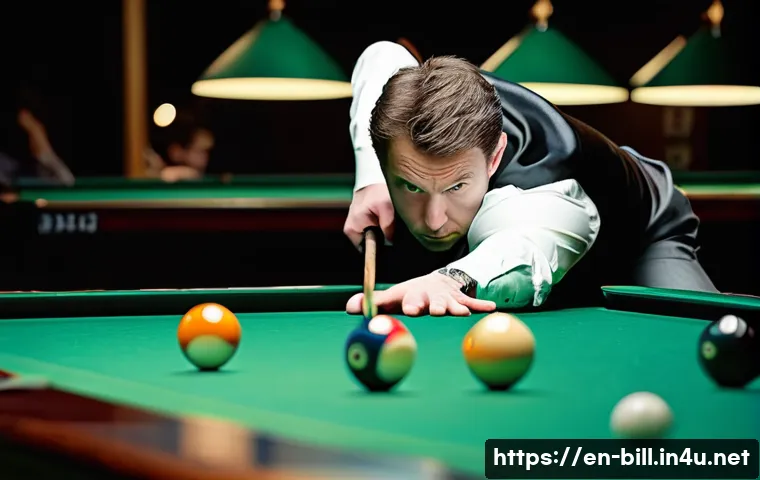
I’ve found that recognizing when to pull back and play safe, then capitalizing on your opponent’s errors, is key to long-term success. This balance requires patience and game awareness, but mastering it elevates your overall strategy and resilience under pressure.
Breaking Down the Break Shot for Maximum Impact
Optimizing Cue Ball Placement Before the Break
Where you place the cue ball before breaking can set the tone for the entire rack. I used to just place it anywhere behind the head string, but experimenting with different spots revealed how much it affects ball spread.
Positioning the cue ball slightly off-center can help control its rebound and influence how the balls disperse. This subtle tweak has helped me get more favorable layouts and avoid clusters that slow down the game.
Power vs. Control in the Break Shot
A powerful break can scatter balls widely, increasing your chances of potting early. However, I’ve learned that too much power often sacrifices control, making it difficult to predict where the cue ball ends up.
Finding the right balance between power and precision is essential. Personally, I aim for a firm yet controlled stroke that maximizes ball spread without sending the cue ball into a risky position.
This approach has improved my ability to follow up with solid shots after the break.
Adjusting Break Technique for Different Game Types
Different billiards disciplines, like 8-ball or 9-ball, demand variations in your break approach. For instance, 9-ball breaks often require a more aggressive style to pocket the 1-ball early, while 8-ball might prioritize spreading balls evenly to avoid clusters.
I always tailor my break shot depending on the format and table conditions. Taking time to adapt your technique to the game type can give you a strategic advantage right from the start.
Enhancing Shot Selection with Mental Focus
Developing Shot Confidence Through Practice
Confidence is a game-changer. I’ve noticed that hesitation often leads to poor execution. Practicing a variety of shots repeatedly helped me build trust in my abilities.
When you know your strengths and limits, you can choose shots that suit your skill level and the table situation. This clarity reduces second-guessing and helps maintain a steady rhythm throughout your match.
Managing Pressure in Critical Moments
Pressure can freeze even experienced players. I recall matches where the stakes were high, and my hands shook just before a crucial shot. Learning to breathe deeply and focus on your routine helps calm nerves.
Visualization techniques, like imagining the perfect shot, also ease tension. These mental tools turn pressure from a foe into a motivator, helping you perform your best when it counts most.
Balancing Risk and Reward in Shot Decisions
Sometimes, the best shot isn’t the safest one. I’ve grappled with choosing between a difficult pot and a conservative safety play. Over time, I learned to weigh the potential payoff against the risk of missing.
This mental calculation is dynamic, influenced by the score, opponent skill, and table layout. Being able to adapt your risk tolerance during a match is a sign of a mature player and often separates winners from the rest.
Practice Strategies That Translate to Real Matches
Simulating Match Conditions in Practice
Practicing with a timer or under “match-like” pressure conditions has helped me bridge the gap between training and competition. It forces you to make quicker decisions and manage nerves, which is very different from relaxed practice sessions.
Setting specific goals for each practice, like focusing solely on safety shots or cue ball control, makes your training more purposeful and effective.
Tracking Progress with a Practice Journal
Keeping a journal of your practice sessions and match outcomes is surprisingly motivating. I jot down what worked, what didn’t, and any new techniques I tried.
Reviewing this over time reveals patterns and helps you identify areas needing improvement. It also keeps you accountable, making your practice more focused and rewarding.
Incorporating Feedback and Learning from Others
Getting feedback from more experienced players or coaches accelerates growth. I’ve benefited from watching others play and asking for tips on my stance or stroke.
Video recording your sessions can also uncover habits you might not notice. Engaging with the billiards community, whether online or at your local hall, opens doors to new perspectives and practice ideas that keep your game evolving.
| Skill Area | Key Focus | Practice Tip | Common Mistake |
|---|---|---|---|
| Stance & Stroke | Balance and smooth cue action | Slow, deliberate strokes with relaxed grip | Jerky strokes and tense wrists |
| Table Reading | Angles, spin, and ball paths | Visualize rebounds and plan multiple shots | Ignoring cushion effects and spin |
| Cue Ball Control | Draw, follow, and side spin | Practice spin shots with varied speed | Overusing spin causing deflections |
| Defense | Safety shots and opponent pressure | Position cue ball to limit opponent options | Forgetting to balance offense and defense |
| Break Shot | Power and cue ball placement | Adjust break technique per game type | Too much power with poor control |
| Mental Game | Confidence and pressure management | Use visualization and breathing exercises | Hesitation and overthinking |
| Practice | Realistic drills and feedback | Simulate match conditions and track progress | Unfocused, repetitive practice |
글을 마치며
Mastering billiards is a journey that combines physical skill, mental focus, and strategic thinking. By refining your stance, stroke, and cue ball control, you build a solid foundation for consistent play. Understanding table dynamics and practicing under realistic conditions will elevate your game. Remember, patience and mindful practice are the keys to turning challenges into triumphs on the felt.
알아두면 쓸모 있는 정보
1. Consistency in your stance and stroke greatly reduces unforced errors and improves shot accuracy.
2. Visualizing the cue ball’s path before each shot helps synchronize your mind and body for better execution.
3. Adjusting spin and speed on the cue ball can control ball behavior, opening up more tactical options.
4. Safety shots are a powerful tool to pressure your opponent and control the game’s pace.
5. Simulating match conditions during practice enhances decision-making and helps manage in-game nerves.
중요 사항 정리
Building a steady stance and smooth stroke forms the backbone of reliable shots. Developing a strong mental routine, including visualization and pressure management, sharpens your focus during critical moments. Understanding how angles, spin, and speed affect ball trajectories allows for smarter shot planning. Balancing offense with strategic safety plays keeps you in control throughout the match. Lastly, purposeful practice with feedback accelerates growth and transforms skills into match-winning performance.
Frequently Asked Questions (FAQ) 📖
Q: How can I improve my shot accuracy in billiards during real-game situations?
A: Improving shot accuracy goes beyond practicing alone; it’s about simulating match pressure. One effective way is to practice with a purpose—set specific goals for each shot, like hitting a precise spot on the cue ball or pocketing a ball from a challenging angle.
When I started focusing on controlled breathing and visualizing the shot before striking, my consistency noticeably improved. Also, try to practice in environments that mimic tournament conditions, including distractions and time limits, so your brain gets used to performing under pressure.
Q: What are some essential strategies for positioning the cue ball after a shot?
A: Positioning is often what separates good players from great ones. After pocketing a ball, think about your next shot and plan the cue ball’s path accordingly.
Personally, I find it helpful to imagine a smooth, flowing sequence of shots rather than isolated ones. Using gentle follow-throughs or controlled spins on the cue ball can help you place it exactly where you need it.
Defensive plays, like leaving the cue ball in a tough spot for your opponent, also require strategic thinking—sometimes it’s better to prioritize safety over aggressive potting.
Q: How important is mastering the break shot, and what tips can help improve it?
A: The break shot can set the tone for the entire game, so mastering it is crucial. From my experience, power alone doesn’t guarantee success; control is key.
Focus on your stance and the cue’s alignment to ensure the cue ball hits the rack squarely. Experiment with different cue ball placements behind the head string to find what gives you the best spread.
Also, avoid over-hitting, which can cause the balls to cluster rather than spread out. Practicing breaks regularly helped me develop a rhythm that balances power and precision, leading to more favorable table layouts.